London + M25 pest control

Pest Control Canary Wharf

Several staff sightings are useful only when they can be tied to a place and a time.

  • Turn scattered sightings into a clear report
  • Check kitchens, desks and food storage
  • Separate the office problem from home concerns
Call 020 4571 7639 ↗Explore treatments ↓
Technician inspecting shelving in a commercial stockroom
REQUEST SAME-DAY RESPONSELondon + M25
Homes / Businesses
Small signs. A closer look.
Understanding your pest problem

A useful report from a busy workplace.

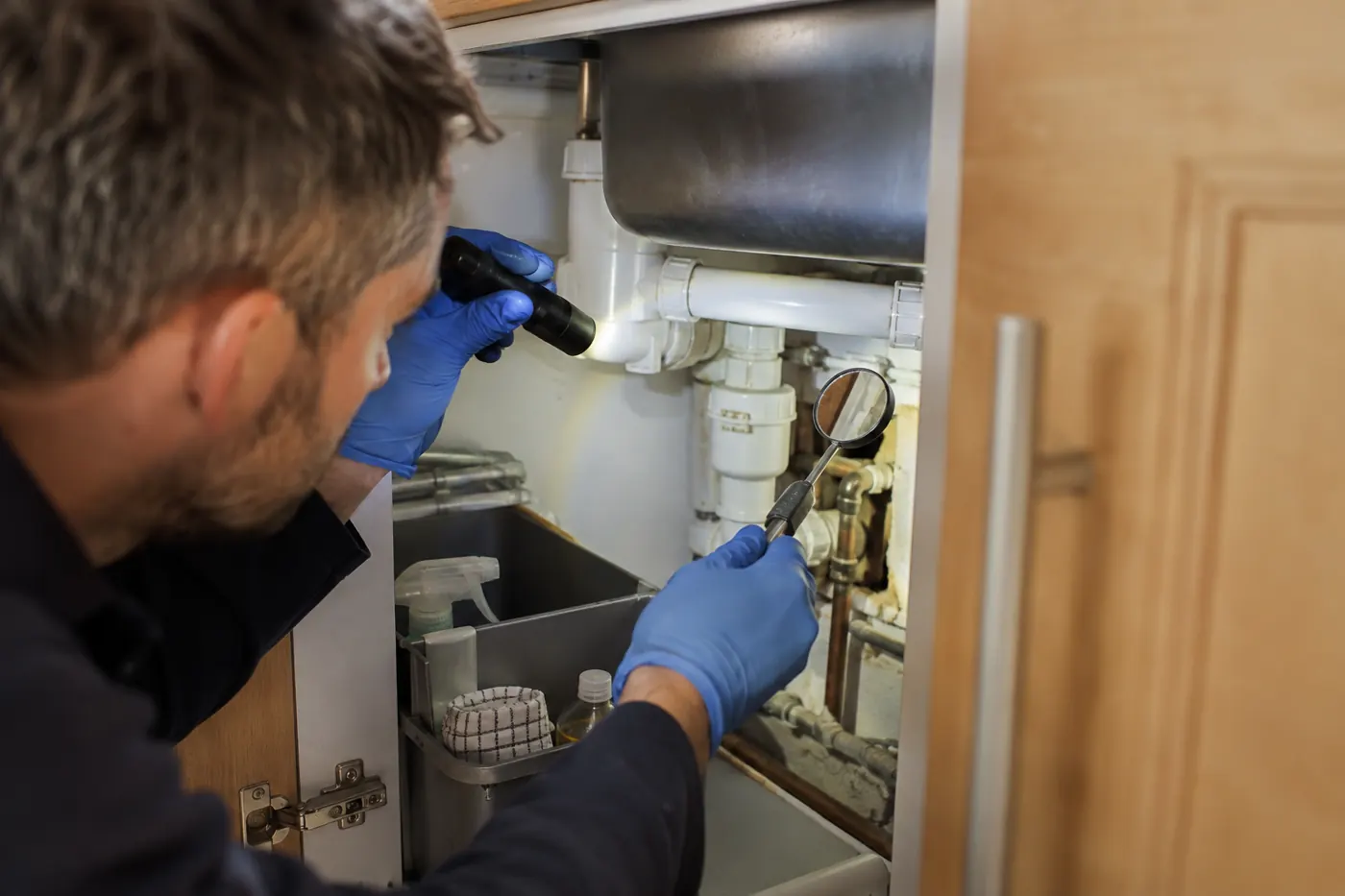
Inspection of pipe entry points beneath a kitchen sinkInspection / Entry points / Prevention

Canary Wharf combines office buildings with shops, restaurants and homes, including the residential part of Wood Wharf. The estate’s own material describes this mix of uses. Pest control in Canary Wharf needs the actual premises behind that broad name: an office kitchenette, a restaurant storage room and a resident’s bedroom raise different questions. Begin with the space where the sign appeared.

In an office, several short messages can soon become a vague report that pests are everywhere. Ask each person for the room, date and what they actually saw. A small animal under a desk, a damaged snack packet and an insect near the dishwasher should be listed as separate observations. Our office and business pest control can then be discussed against a clear account rather than rumours passed between teams.

Think beyond the shared kitchen when describing food storage. Staff may keep snacks in drawers, meeting rooms or cupboards far from the main kitchenette. Mention these places if there are fresh signs, but do not empty everyone’s desk on a guess. An inspection for mice considers evidence and relevant spaces. It does not start from the assumption that all floors in a tower have the same problem.

For home concerns, explain the flat and room separately from your workplace. A suspect insect in bedding needs bed bug assessment, while a kitchen sighting may need another form of identification. Tell us what has already been cleaned or sprayed so the original evidence can be understood. If the address is south of the office estate, our Isle of Dogs guidance may describe the location more clearly. In every case, the postcode, room and current signs help the team discuss a useful next step. A simple room list also prevents several departments from ordering separate actions for the same event. Keep the direct findings together and pass the applicable instructions to the people using those spaces.

Treatments / Built around your property

Give the report a reliable starting point.

What staff have seen matters more than how many times the message has been forwarded.

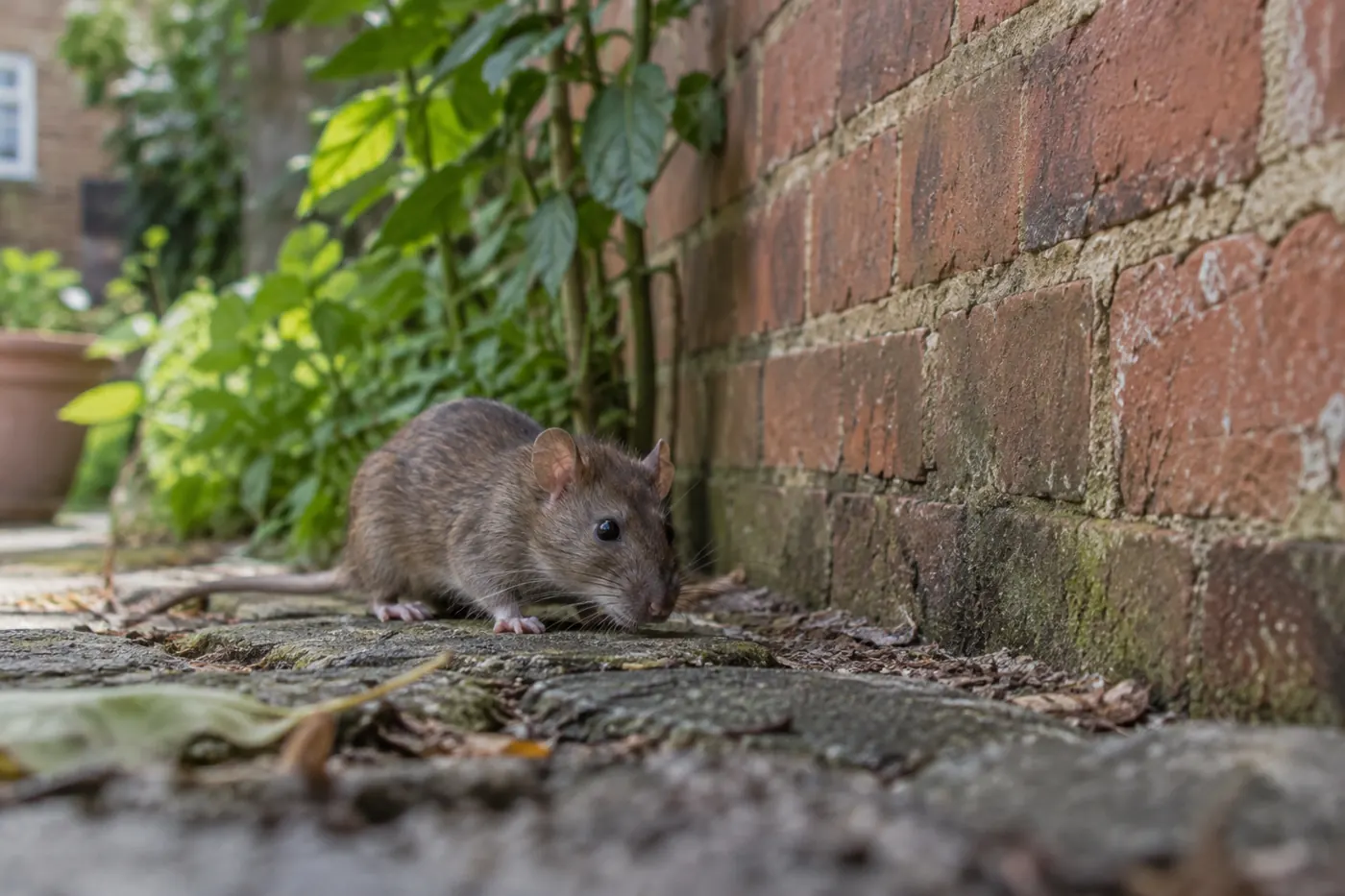
Brown rat beside a brick wall at a London propertyRodent inspection
Rodents / Rat & mouse control

Build one record of the rodent sightings.

Ask staff for dates, room names and photographs of actual animals or relevant signs where available. Keep direct observations separate from forwarded comments.

Report fresh food damage or suspected droppings beside desks as well as sightings near the kitchen. The main food area may not be the only place with evidence.

Avoid counting one event twice

Two messages about the same observation do not establish two separate incidents. A clear account supports inspection of the relevant routes and food access.

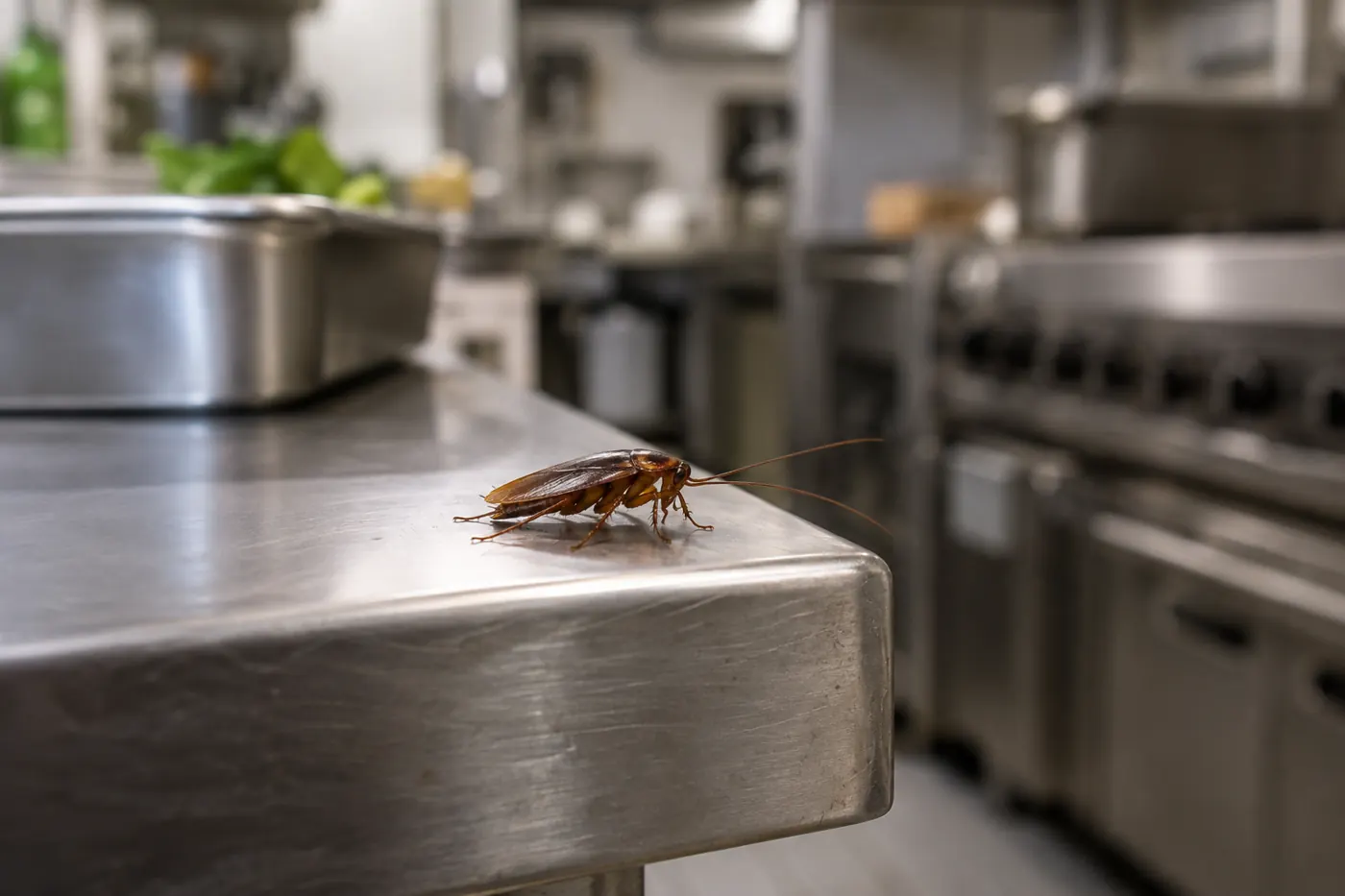
Cockroach at the edge of a commercial kitchen work surfaceKitchen inspection
Insects / Targeted treatments

Look at how the kitchen is used.

Cockroach inspections can consider warm equipment, water and hiding spaces when the evidence points to that pest.

Explain overnight dishwashing, waste handling and food left in meeting spaces. Ordinary workplace routines can matter to the inspection without proving a cause.

Ask before applying products

A staff member’s household spray may change the evidence and create questions around food surfaces. Tell the team what has been used and where.

Give a clear account even when the insect is unidentified. Identification is part of deciding what action is appropriate.

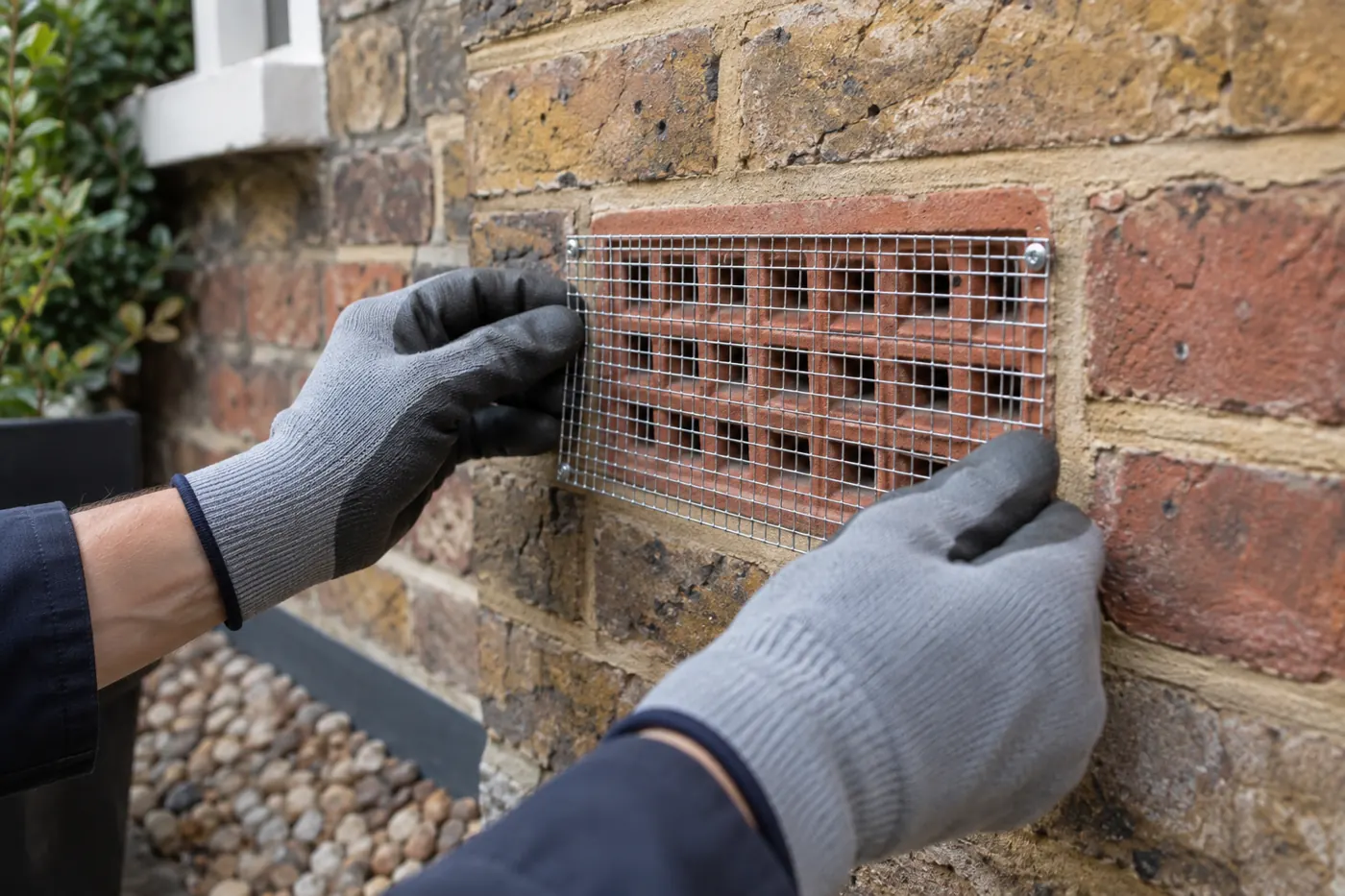
Gloved hands fitting protective mesh to an external air brickEntry points & prevention
Protection / Pest proofing

Plan the practical prevention work.

Once relevant openings are assessed, pest proofing may address suitable physical routes alongside treatment.

For an office, explain which cupboards contain services and which partitions or equipment cannot be moved casually. Repairs must preserve maintenance access.

Connect the recommendation to the space

A general instruction to seal everything is not a useful plan. Ask which opening matters and who can arrange the appropriate work.

Start with what you have noticed

Keep a named contact for the follow-up.

Someone who knows the rooms and can gather later reports helps avoid losing useful information between departments.

Call 020 4571 7639 ↗
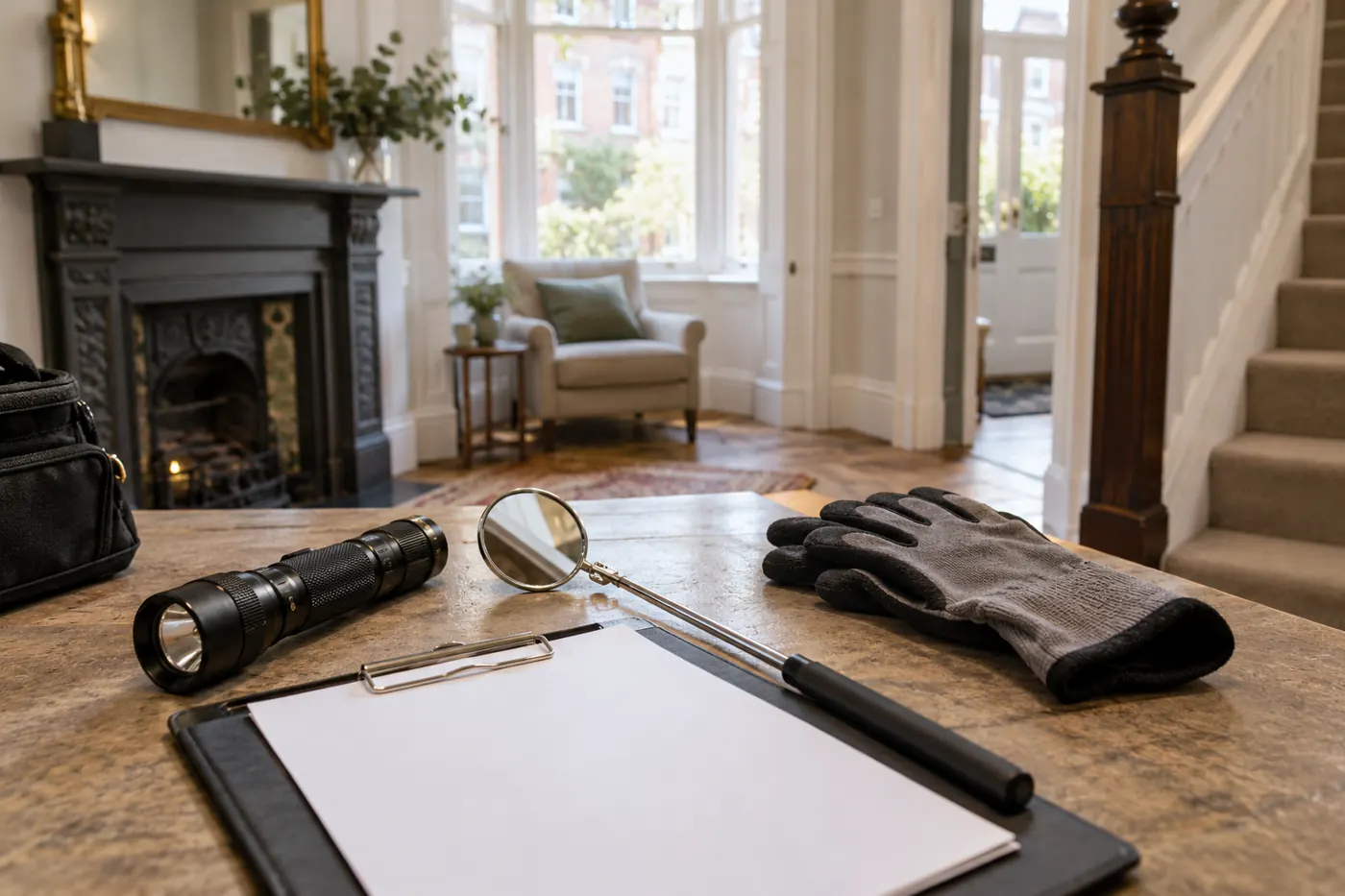
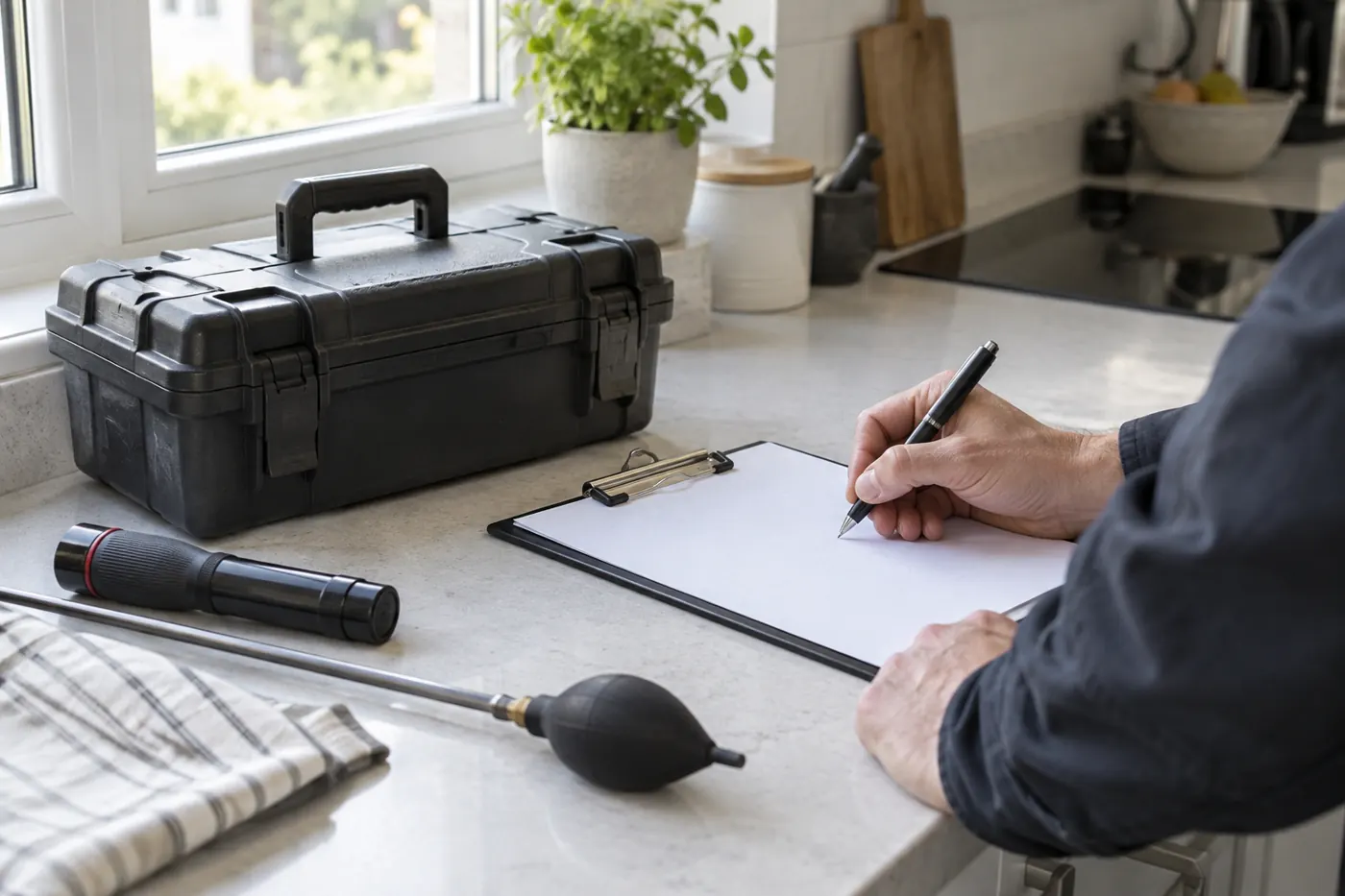
Torch, mirror and gloves prepared for a pest inspection
The diagnostic sequence

From staff message to inspection brief.

OBSERVATIONIdentify
→
ROOMTrace
→
CONFIRMATIONTreat
→
ACTIONPrevent
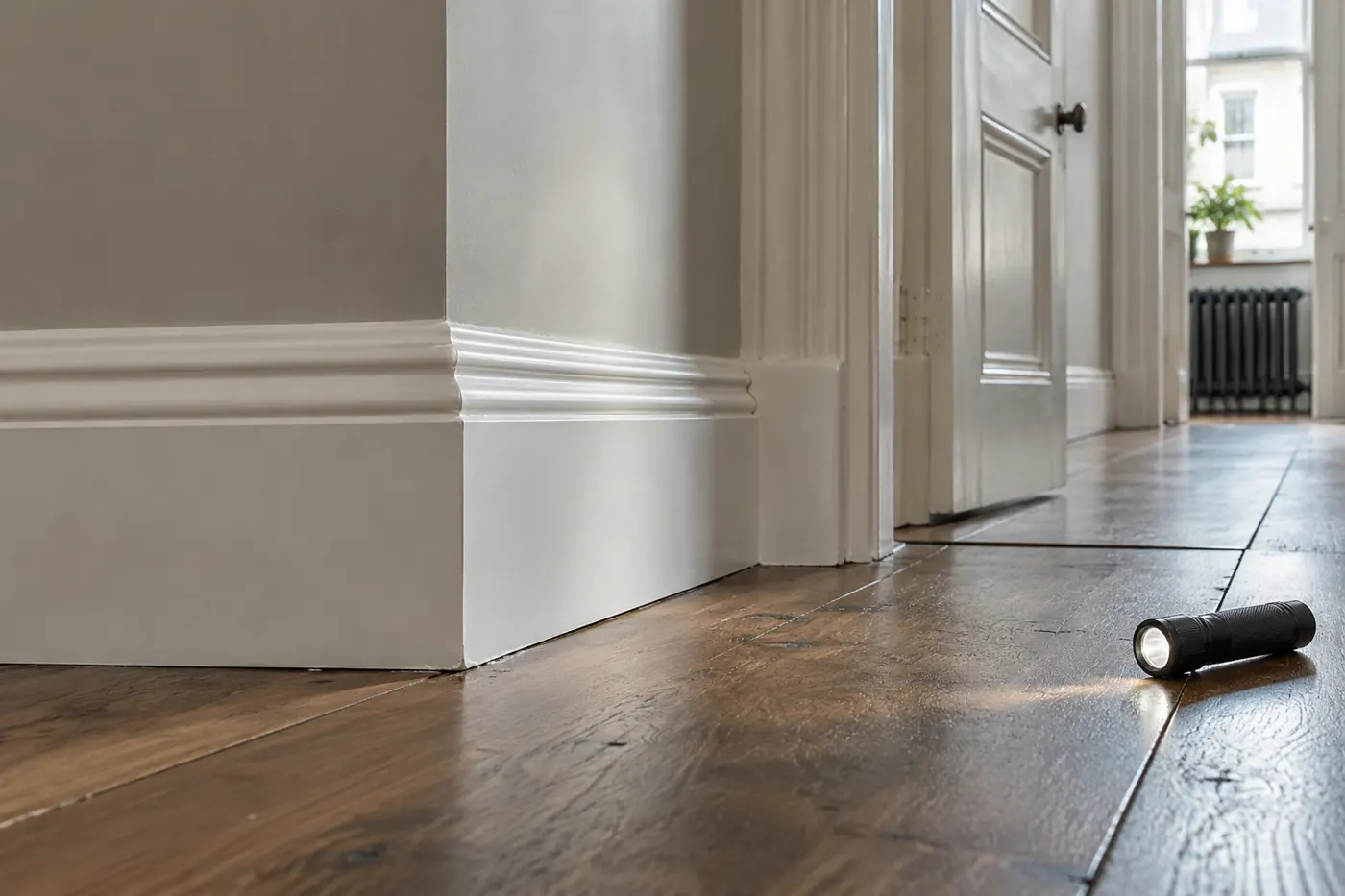
Sealed skirting corner and inspection torch in a period hallway
Property protection / Pest proofing

The desk drawer belongs in the report too.

Food stored away from the kitchenette can be easy to overlook. If packets or belongings are affected, record the desk or cupboard location before moving the contents.

There is no need to search colleagues’ private items yourself. Gather the reported locations and discuss a sensible inspection scope with the person arranging the work.

Pest proofing, explained ↗
Domestic & commercial pest control

Working spaces and homes need separate briefs.

The same district can contain very different uses within neighbouring buildings.

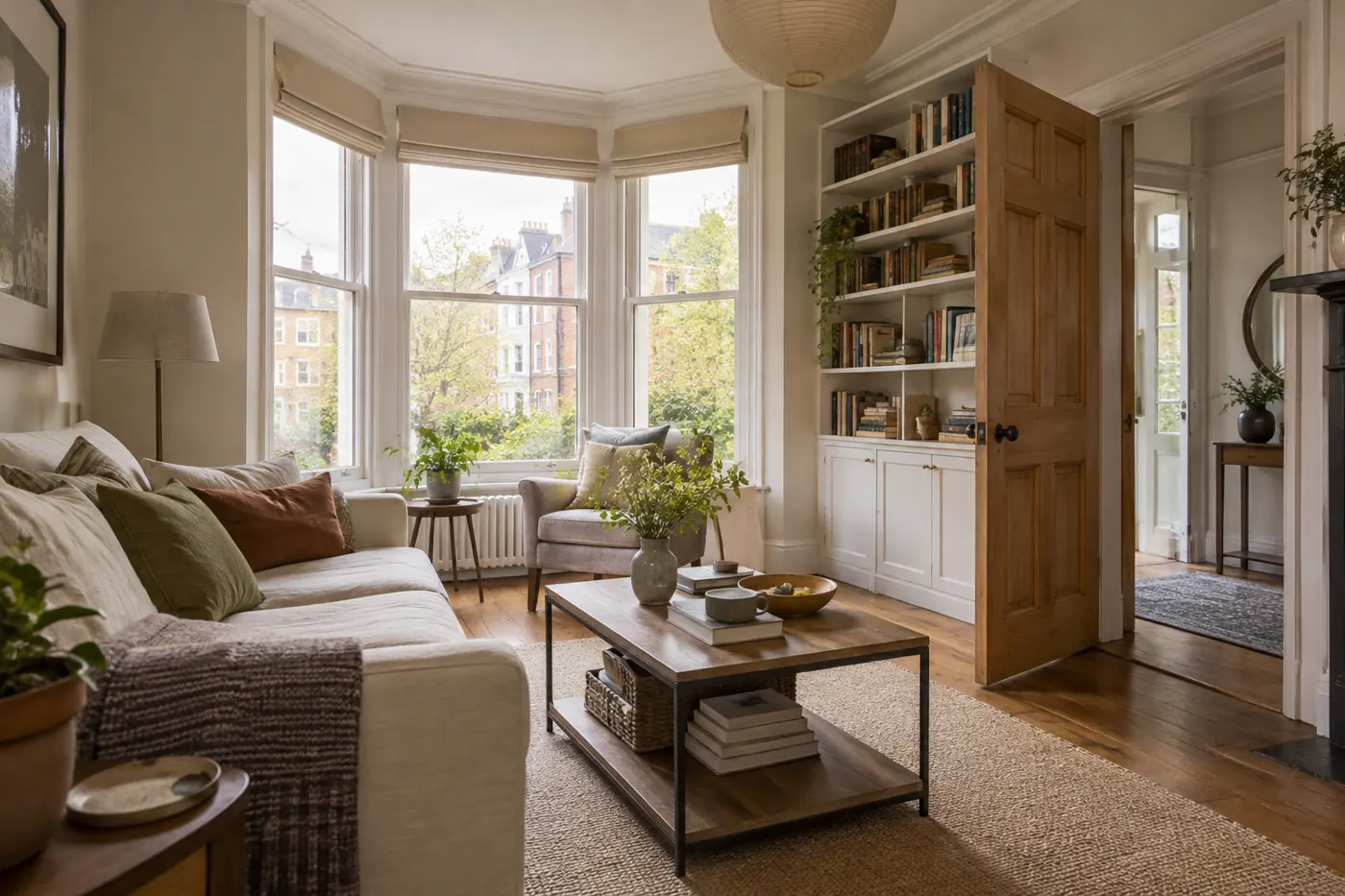
London apartment living room with a bay window
The spaces you live in

Residential apartments

Explain the room and floor where signs appeared. A home report should not be folded into an office complaint at another address.

Discuss your property ↗
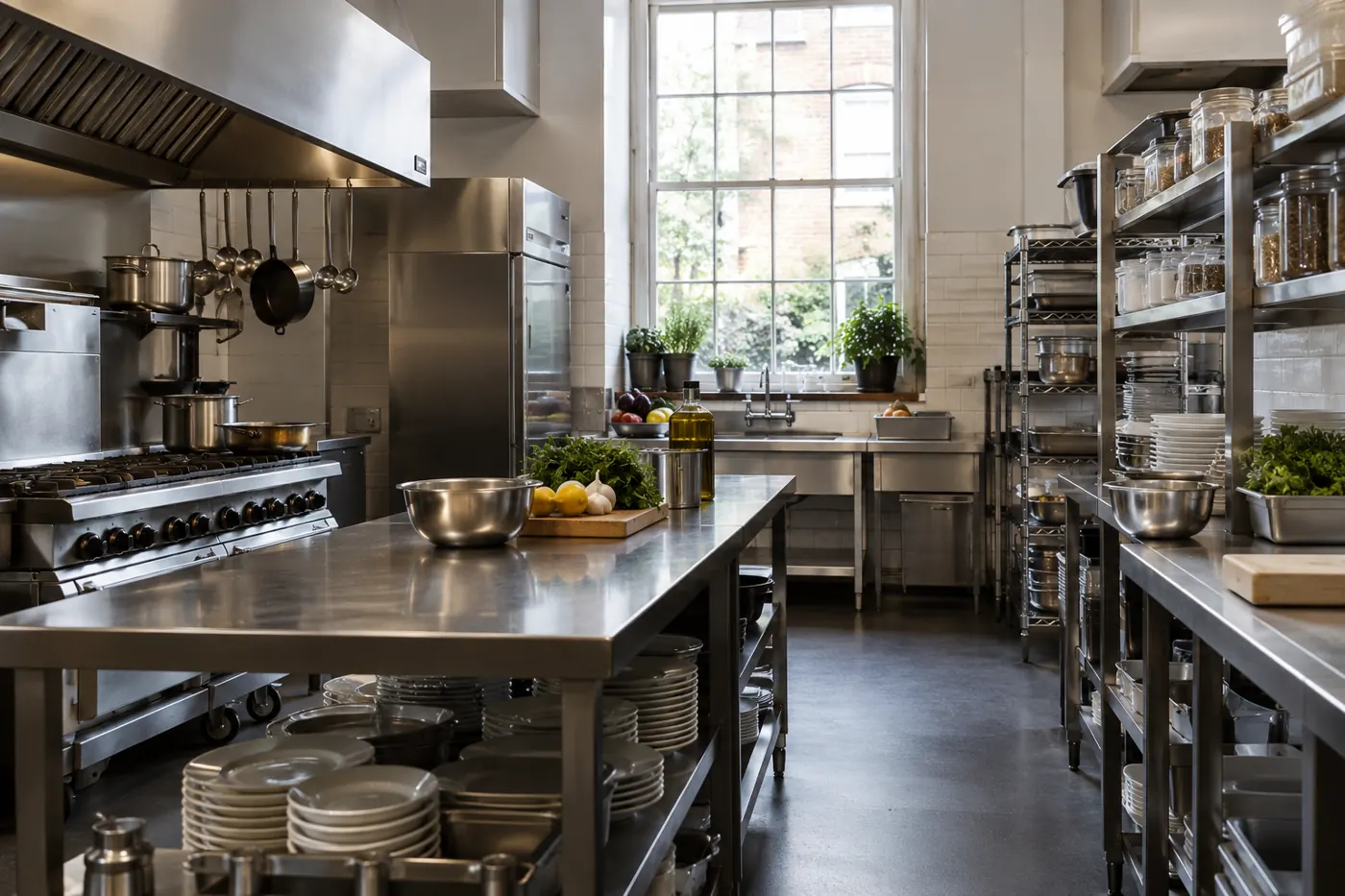
Independent restaurant kitchen with stainless steel work surfaces
The spaces you serve in

Restaurants & hospitality

Mention food preparation, storage and service patterns when discussing treatment. The premises need their own inspection plan.

Discuss your property ↗
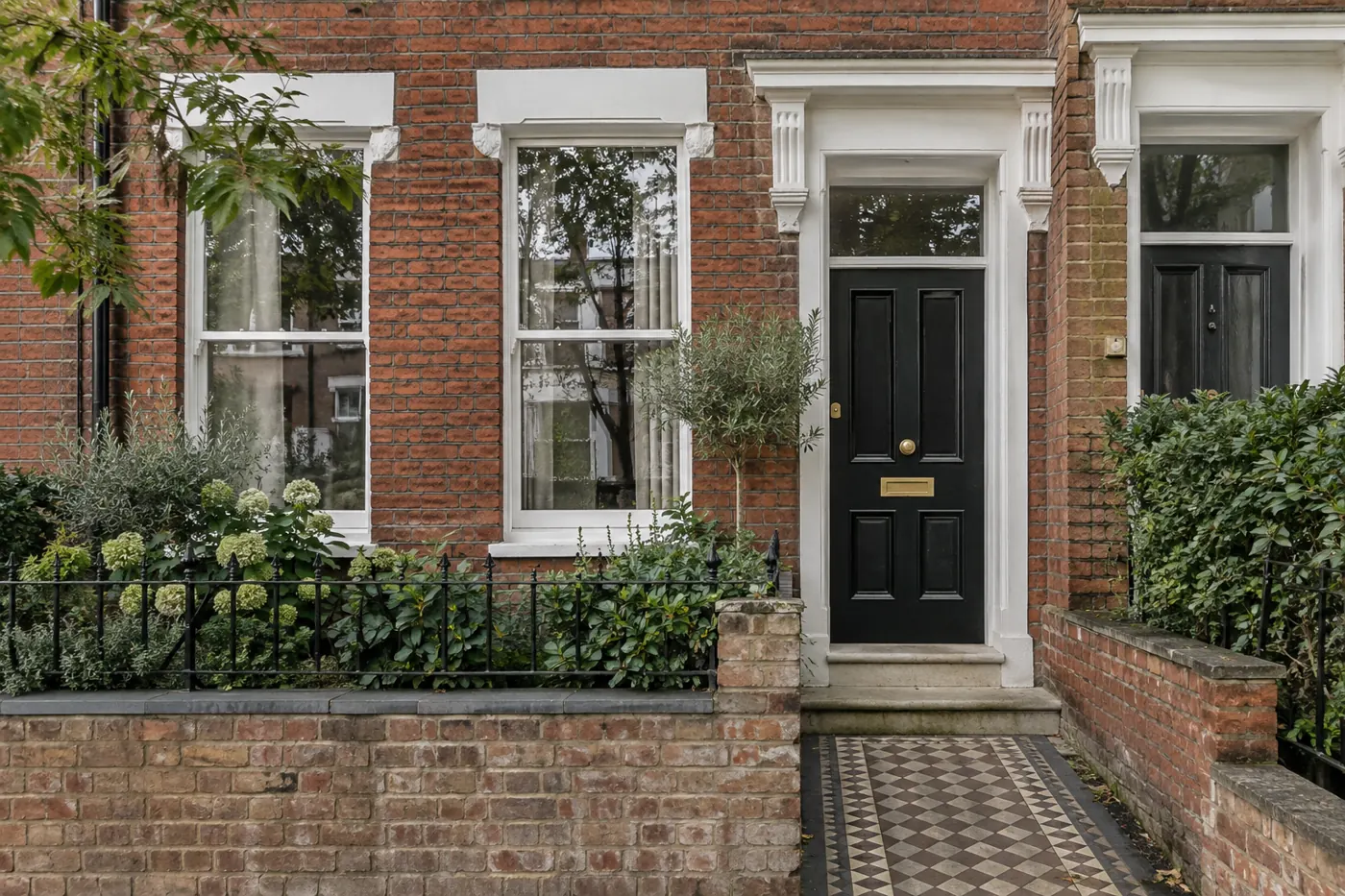
Entrance to a London rental property with a red brick facade
The spaces you manage

Managed rentals

Record the tenant’s observations before arranging a visit. Ask who will show the rooms rather than relying on a general building description.

Discuss your property ↗
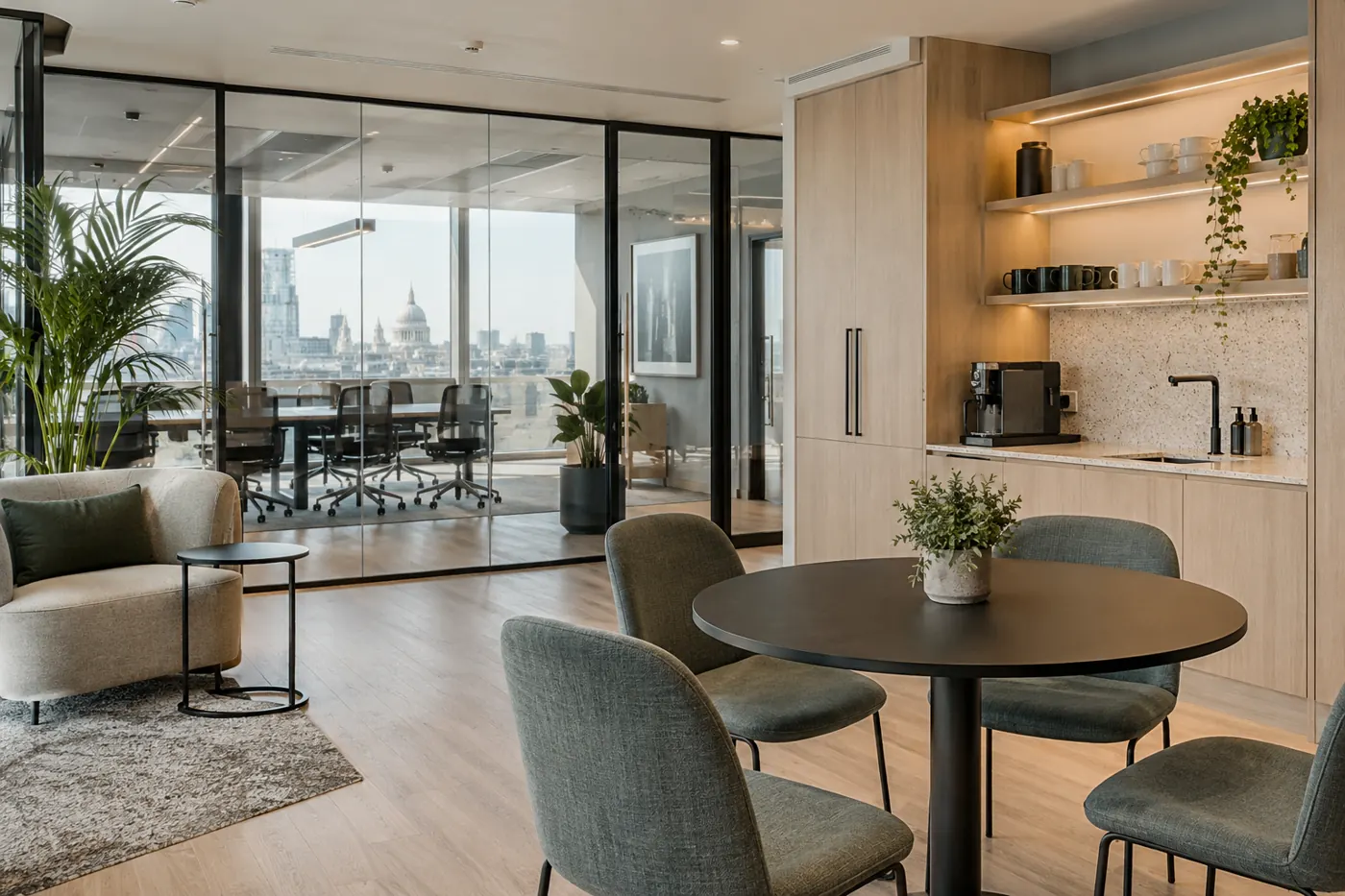
Modern office kitchenette and breakout area
The spaces you work in

Offices & shared workspaces

Bring staff reports into one dated list, with desk areas, kitchens and meeting rooms identified clearly.

Discuss your property ↗
London & the M25 / Our service area

Canary Wharf: name the premises, not only the tower.

Have the building address and the occupier or flat details ready when discussing attendance.

For a business beyond the estate towards Canning Town, give the full location so a familiar office district name does not send the visit to the wrong premises.

Homes & flatsLandlords & rental propertiesBusinesses & commercial premises
Discuss your postcode ↗020 4571 7639
Explore the areaOpen full map ↗
Clear information / A quote for your situation

Scope the work before collecting staff estimates.

A quote should follow the evidence and the spaces involved, rather than the number of messages in the office chat.

Discuss pricing · 020 4571 7639 ↗
Preparing a treatment quote beside inspection equipment

Ask which rooms and spaces will be checked.

Rooms reported

Identify where direct observations were made and which nearby spaces raise concerns without confirmed evidence.

Workplace routines

Explain when rooms can be inspected and what equipment or food handling needs consideration.

The next report

Ask how fresh sightings should be recorded and what follow-up is included after the agreed treatment.

Ask about your options before treatment
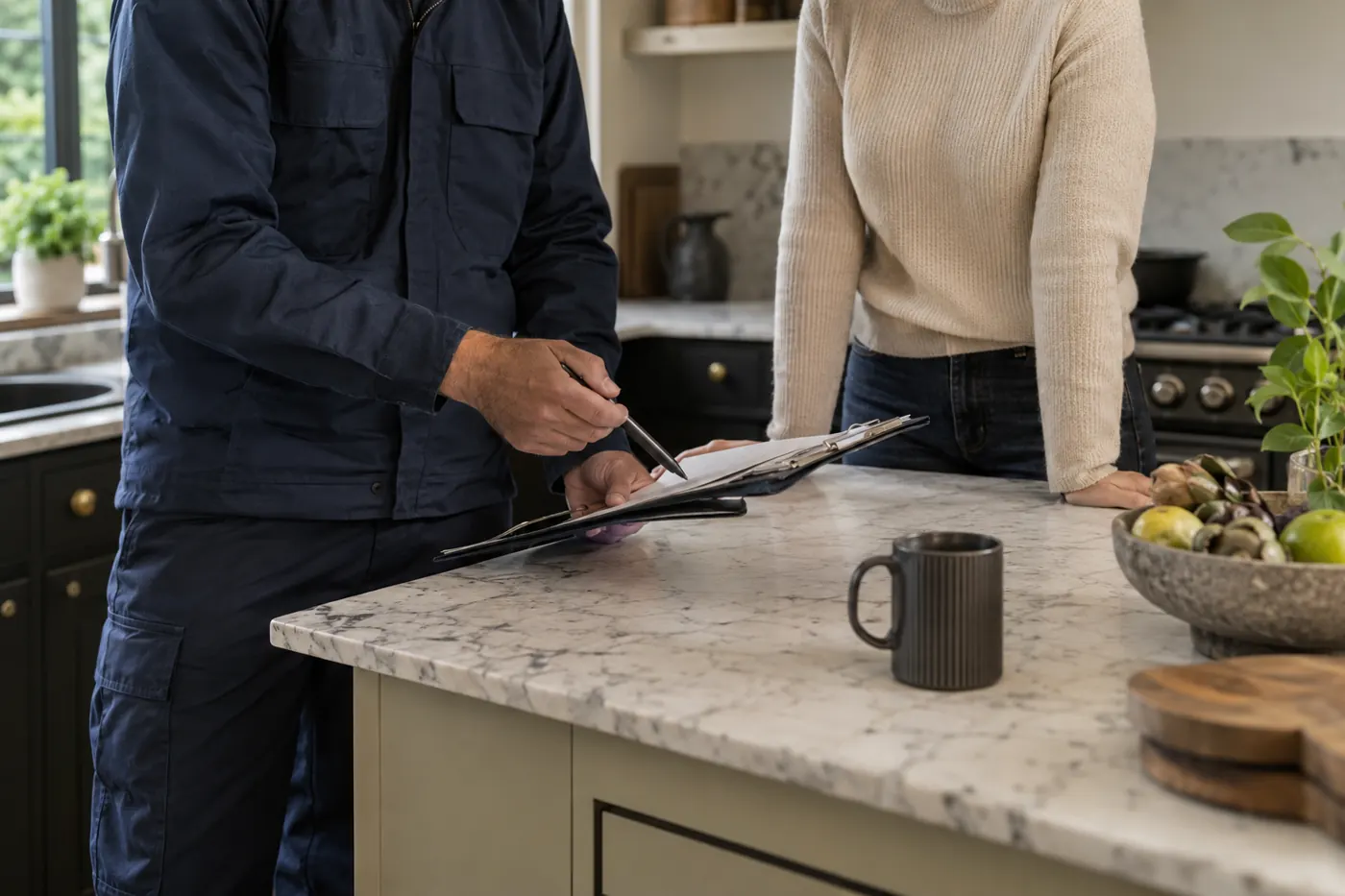
Technician discussing inspection notes at a kitchen island
Practical aftercare

Care that continues
after the visit.

Understand what to watch for after treatment, how to prepare for any follow-up visit and which changes can help keep pests out.

Ask the technician about cleaning, access and proofing for your property. Advice should fit the pest, the treatment and the way you use the space.

Advice / The property journal

Better questions for the facilities conversation.

Ask for details that help identify the issue before deciding which treatment is needed.

Explore guides & articles ↗
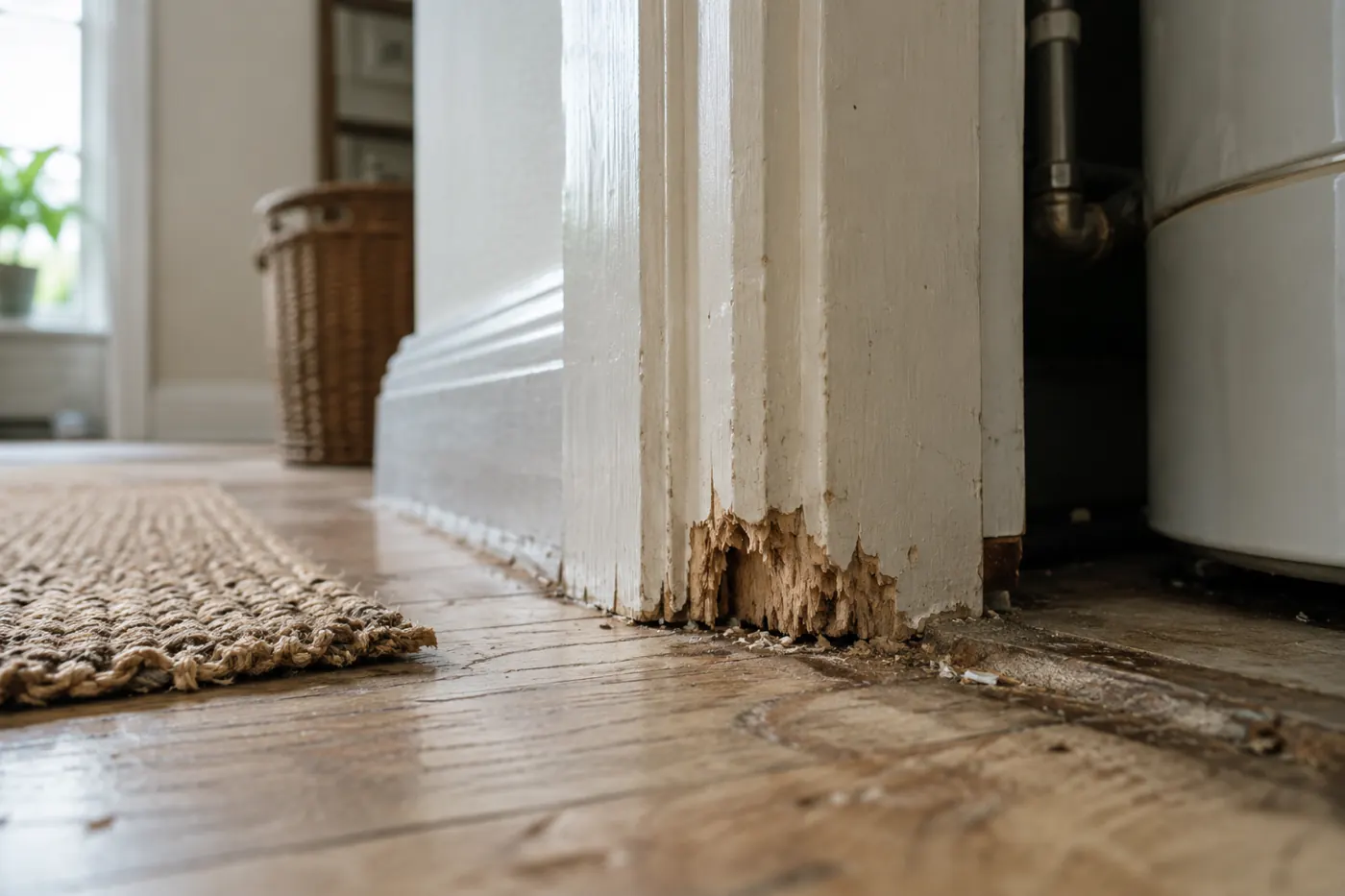
Rodent gnaw marks on a timber doorway thresholdRodent evidence

Was it seen directly?

Keep firsthand sightings separate from forwarded comments. Both can be noted, but their certainty is different.

Explore the topic ↗
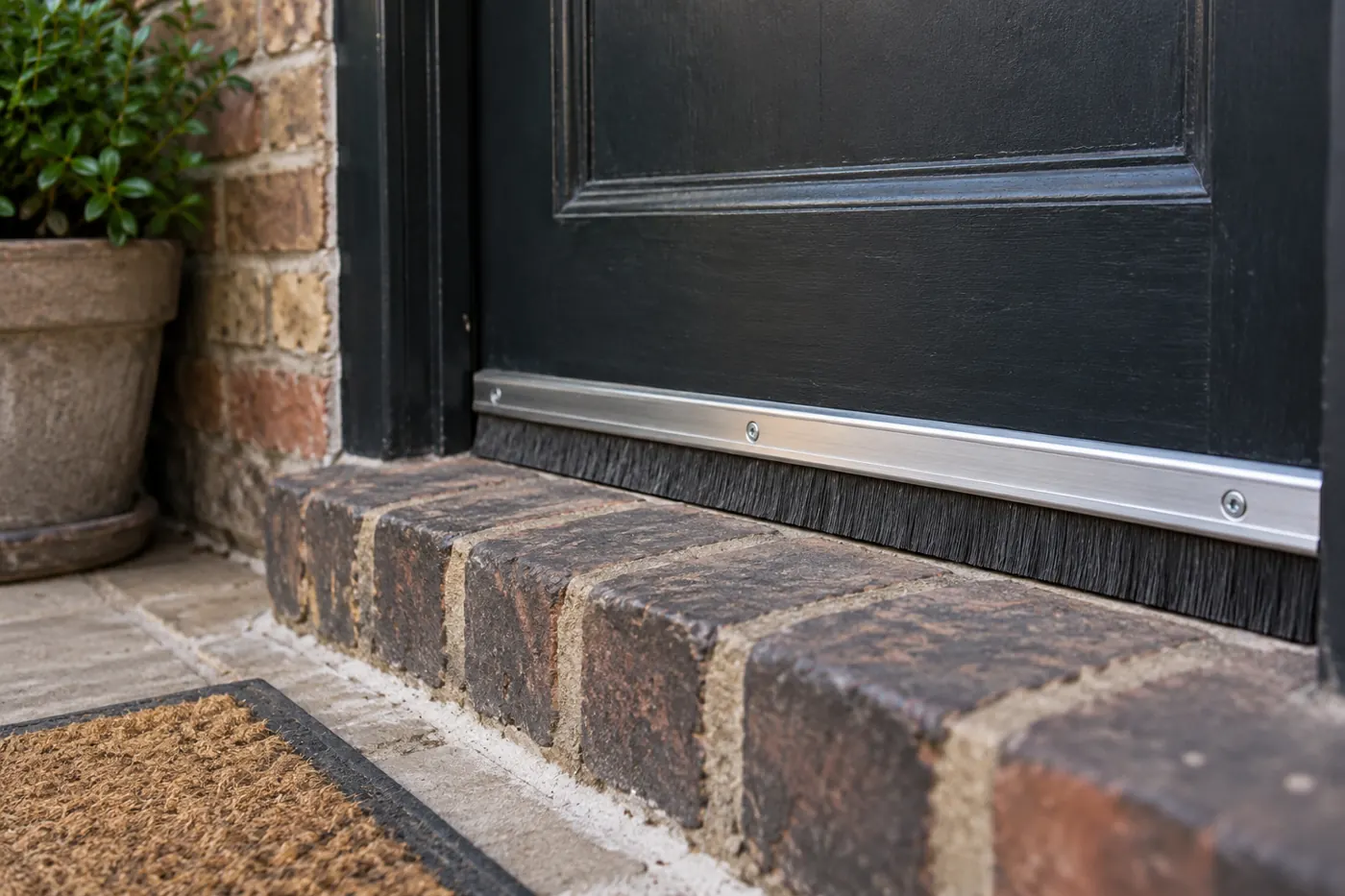
Brush seal fitted beneath a back doorProperty protection

Which space was involved?

Use a room name or floor plan reference rather than saying the whole office is affected.

Explore the topic ↗
Organised storage shelving in a catering premisesFor businesses

What happened afterwards?

Mention cleaning, discarded goods or products used so the team knows how the scene has changed.

Explore the topic ↗
Useful answers / Before your visit

Canary Wharf workplace questions.

Practical answers for the person bringing several reports together.

London kitchen window and clear work surface
Need to turn messages into a clear brief?

Start with the room, date and direct observation for each reported event.

020 4571 7639 ↗
Do several staff messages mean there are several pests?

Not necessarily. Messages may describe the same event. Keep a dated list of direct sightings and locations for assessment.

Should we search every desk before calling?

No general search is needed to begin a conversation. Record reported signs and ask what preparation is appropriate for the agreed inspection.

Can a home and an office be included in one report?

Explain each address separately. Different findings may need different inspections, preparation and quotes.

Does a high floor rule out mice?

The floor alone cannot identify or dismiss a pest problem. Describe the evidence and let the relevant routes be assessed.

What should we tell staff after treatment?

Share the applicable preparation, room use and reporting instructions supplied by the team. Avoid inventing an all-clear time of your own.

Can the visit be planned around meetings?

Give the availability of the affected rooms and discuss the proposed work. Attendance and any restrictions are confirmed during booking.

London + M25 / Homes & businesses

Bring the sightings into one clear conversation.

Call about your Canary Wharf premises with a dated room list and the full address. We can discuss the inspection, treatment options and quote.

Request same-day attendance if needed; the team will confirm availability by phone.