London + M25 pest control

Pest Control Palmers Green

If rodent signs appear near bird feed, check the storage and daily spills while retaining the actual finding.

  • Keep feed containers securely closed
  • Describe spills beneath the feeding place
  • Record outdoor and indoor signs separately
Call 020 4571 7639 ↗Explore treatments ↓
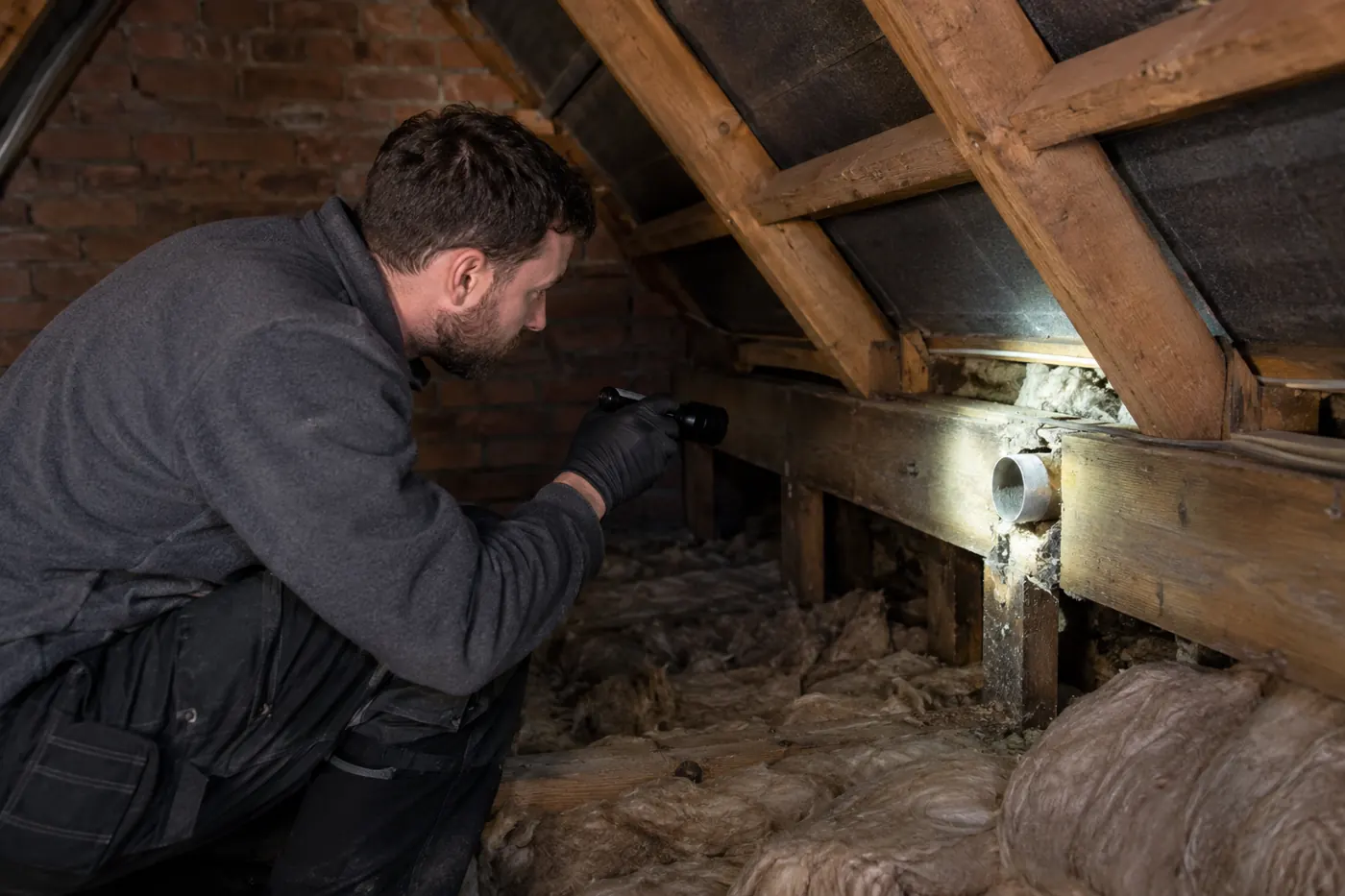
Technician assessing a loft for rodent activity
REQUEST SAME-DAY RESPONSELondon + M25
Homes / Businesses
Small signs. A closer look.
Understanding your pest problem

The feed container and the feeding routine.

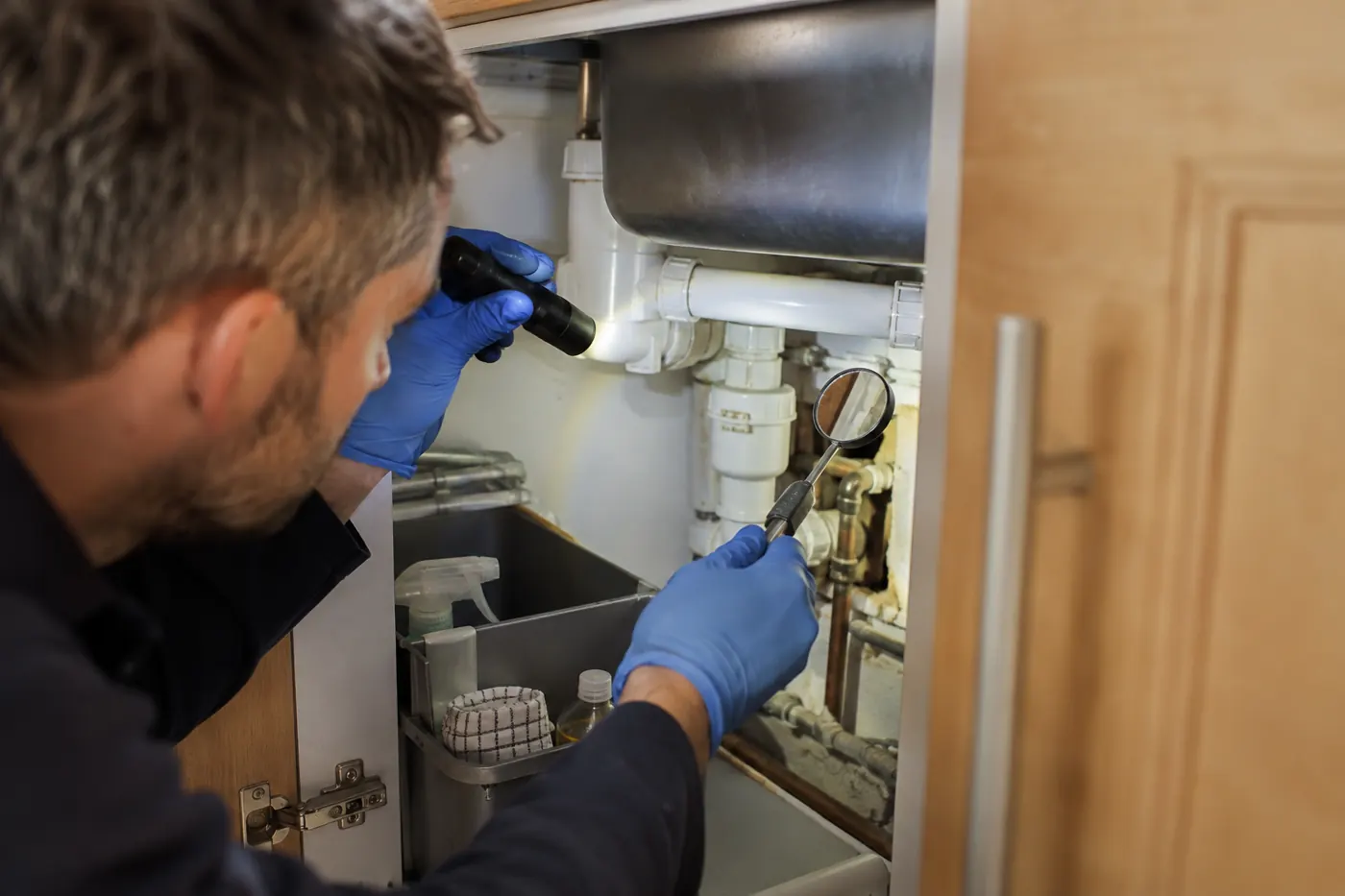
Inspection of pipe entry points beneath a kitchen sinkInspection / Entry points / Prevention

Bird feed can be stored carefully and still spill while it is being measured or carried outside. If you notice rodent signs near that routine, explain where the feed is kept, where it is dispensed and where the actual animal or debris was seen. Pest control in Palmers Green should connect those observations without claiming that feeding birds proves an infestation in your home.

BPCA advises limiting excess garden bird food and catching scattered seed where possible. It also highlights removing readily available feed at dusk as a prevention measure in urban settings. These are practical food-access habits, not a diagnosis of activity at your address. Check whether your storage container closes securely and whether its lid or sides have damage. Avoid leaving an open bag beside the place where feed is measured.

Palmers Green’s town centre is centred on Green Lanes, with homes beyond the shops. Your garden layout and feed location are more useful inspection details than the nearest landmark. Our rat control service can assess relevant outdoor signs and possible routes. If suspected droppings or food damage also appear indoors, keep a separate room record for mouse assessment rather than assuming the same observation explains both places.

Ask for appropriate cleaning advice if contaminated debris is present. Do not scatter it while sweeping spilled seed, or add pest products among food intended for wildlife. Insects inside stored feed need identification too; cockroach inspection considers relevant insect findings rather than every damaged packet. Suitable physical prevention may address an identified building route, while container closure and a workable feeding routine remain everyday tasks. Record fresh evidence before changing the setup, then note what storage and dispensing habits changed. This helps later inspection assess the remaining activity instead of relying on an undated memory of a garden sighting.

Treatments / Built around your property

Keep food access and pest evidence connected.

The storage place, daily spill area and actual signs all belong in the report.

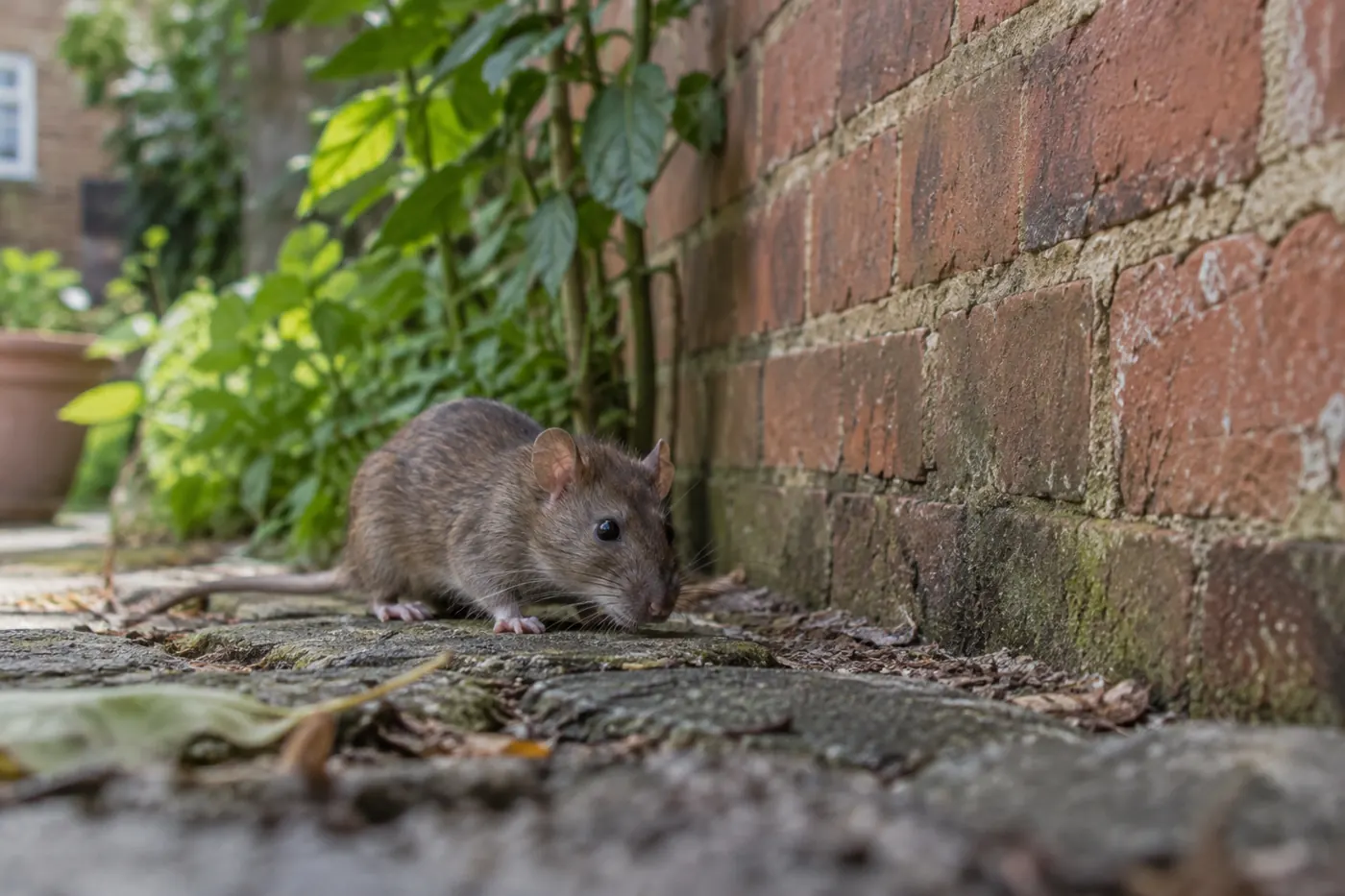
Brown rat beside a brick wall at a London propertyRodent inspection
Rodents / Rat & mouse control

Rodent signs near the feed.

Record the original sighting or suspected droppings without approaching or handling them. Say whether signs are beside the feeder, container or house doorway.

Check container closure from a safe accessible position. Mention damaged sides, loose lids and open sacks rather than guessing where an animal sleeps.

Assess the relevant surroundings

Inspection can consider food access and possible building routes, then discuss treatment, monitoring and prevention appropriate to the signs.

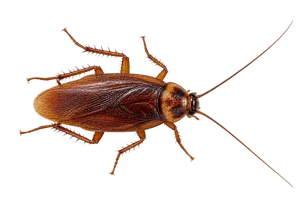
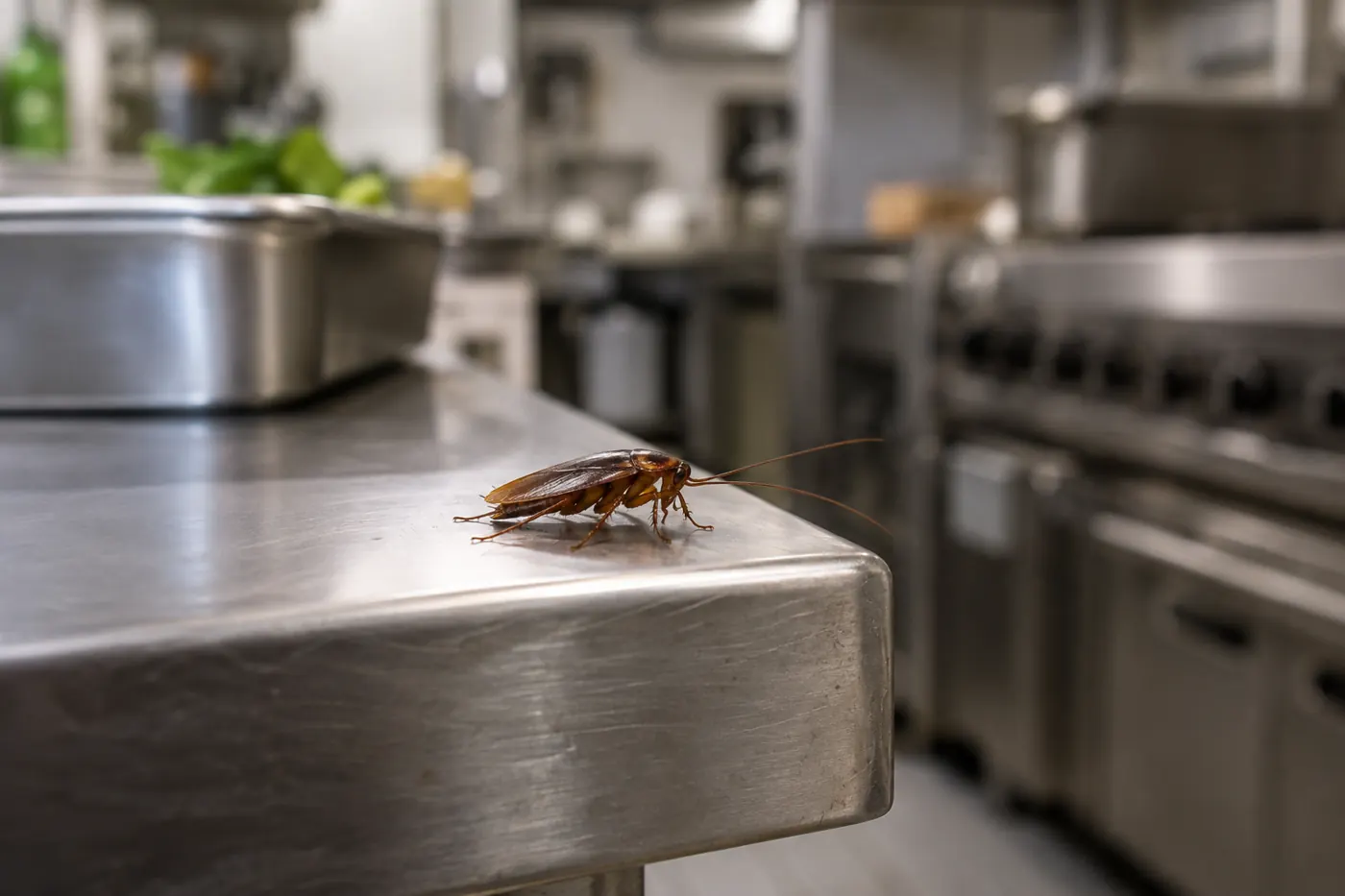
Cockroach at the edge of a commercial kitchen work surfaceKitchen inspection
Insects / Targeted treatments

Insects in stored material.

If insects appear inside or around feed packaging, retain a clear photograph and explain the product and original storage position.

Keep the finding separate from kitchen insects or bedroom signs. A damaged feed packet by itself cannot identify the pest responsible.

Do not spray wildlife food

Ask about suitable handling and cleaning of suspect material. Adding products to the feed or its measuring tools is not a useful identification step.

Explain whether insects recur around the same container after ordinary storage changes. A dated location record helps the next assessment.

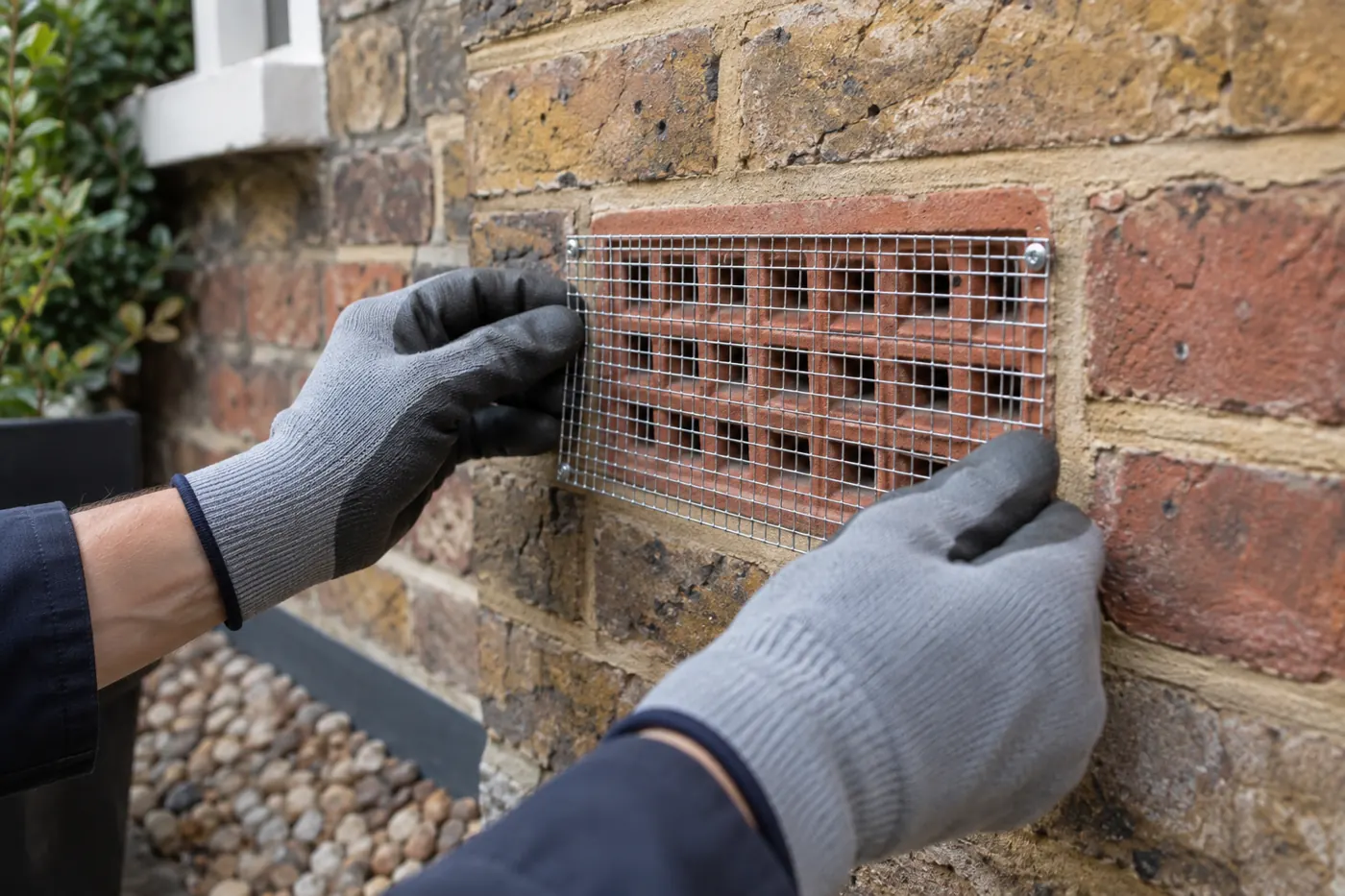
Gloved hands fitting protective mesh to an external air brickEntry points & prevention
Protection / Pest proofing

Prevention includes the daily routine.

Use suitable closed storage and avoid an open sack beside the dispensing area. Describe where seed spills when the feeder is filled.

Appropriate proofing addresses an identified building opening. It should preserve ventilation and services rather than cover every visible garden-facing gap.

Review the feeding place

Discuss excess food and scattered seed alongside the actual signs. Keep wildlife-feeding hygiene distinct from pest treatment products.

Start with what you have noticed

Keep the record after changes.

Note new activity and the date storage or dispensing changed. Continued evidence may need further checks even when a container has been replaced.

Call 020 4571 7639 ↗
Torch, mirror and gloves prepared for a pest inspection
The diagnostic sequence

Follow the feed through its daily use.

STORAGEIdentify
→
DISPENSINGTrace
→
SPILLSTreat
→
FRESH SIGNSPrevent
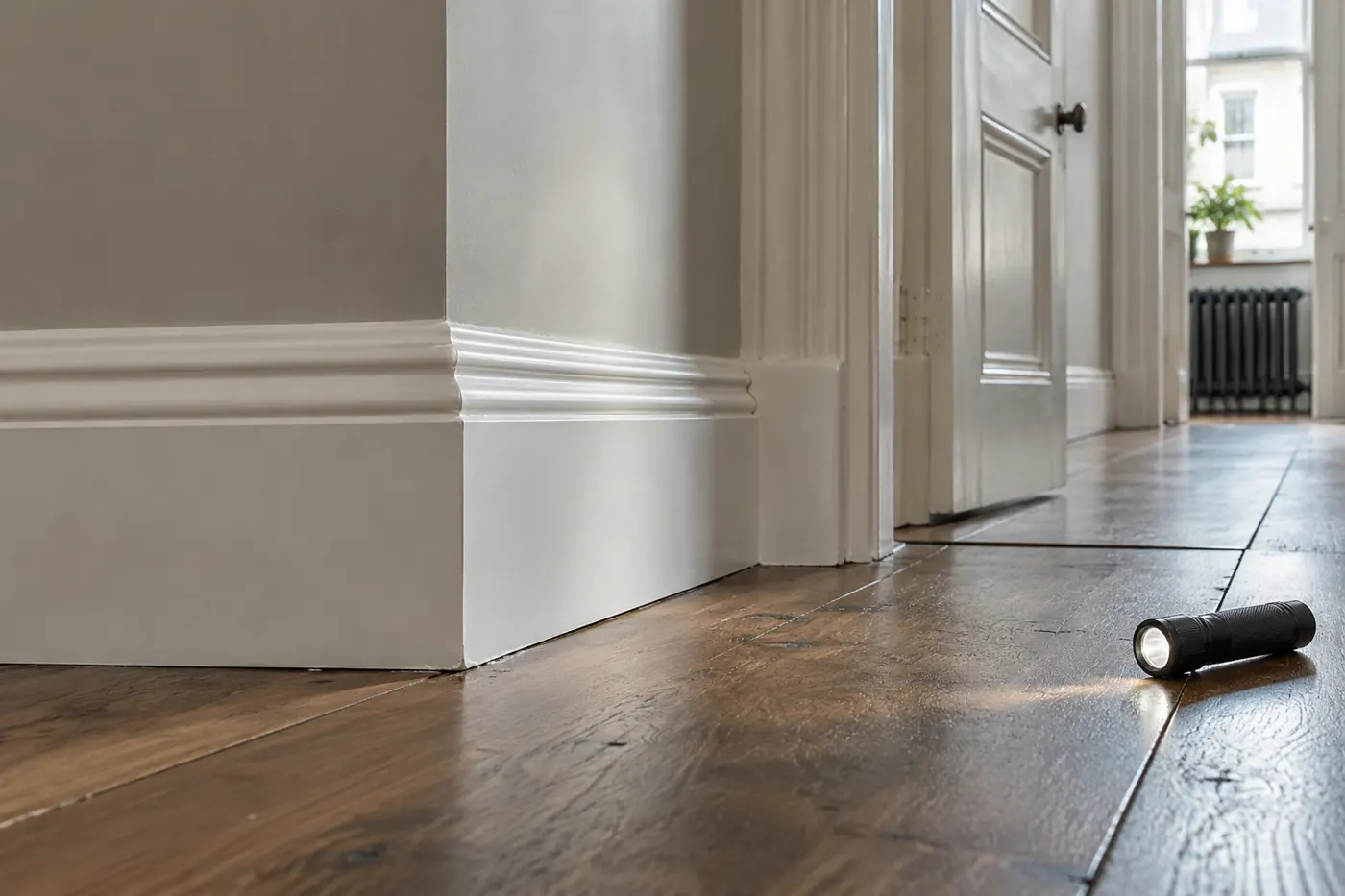
Sealed skirting corner and inspection torch in a period hallway
Property protection / Pest proofing

A sealed container is only part of the routine.

Look at where feed is measured and carried, not just the main storage lid. Small spills can be missed when the feeder is filled repeatedly in the same place. Describe that area in the report before changing it.

Where suspected contaminated debris is present, seek suitable cleaning advice rather than sweeping everything together. Keep wildlife feed and measuring tools separate from any pest product or treatment equipment.

Pest proofing, explained ↗
Domestic & commercial pest control

A feeding routine within a specific garden.

Identify the storage and dispensing points, with any household signs recorded separately.

London apartment living room with a bay window
The spaces you live in

Household feed storage

Explain the container condition and whether bags remain open between uses. Retain fresh damage location before replacing them.

Discuss your property ↗
Independent restaurant kitchen with stainless steel work surfaces
The spaces you serve in

Garden feeding places

Describe scattered food and the actual sighting from a safe position, without claims about neighbouring gardens.

Discuss your property ↗
Entrance to a London rental property with a red brick facade
The spaces you manage

Shared outdoor space

Agree who can describe the feeding and cleaning routine. Keep your own observations separate from another person’s account.

Discuss your property ↗
London & the M25 / Our service area

The garden finding belongs to an address.

Give the property and the feed storage or dispensing position where signs were noticed.

For nearby homes see Enfield or Muswell Hill. Confirm the actual address for attendance.

Homes & flatsLandlords & rental propertiesBusinesses & commercial premises
Discuss your postcode ↗020 4571 7639
Explore the areaOpen full map ↗
Clear information / A quote for your situation

Quote the relevant inspection area.

Describe storage, feeding locations and any signs inside the home separately.

Discuss pricing · 020 4571 7639 ↗
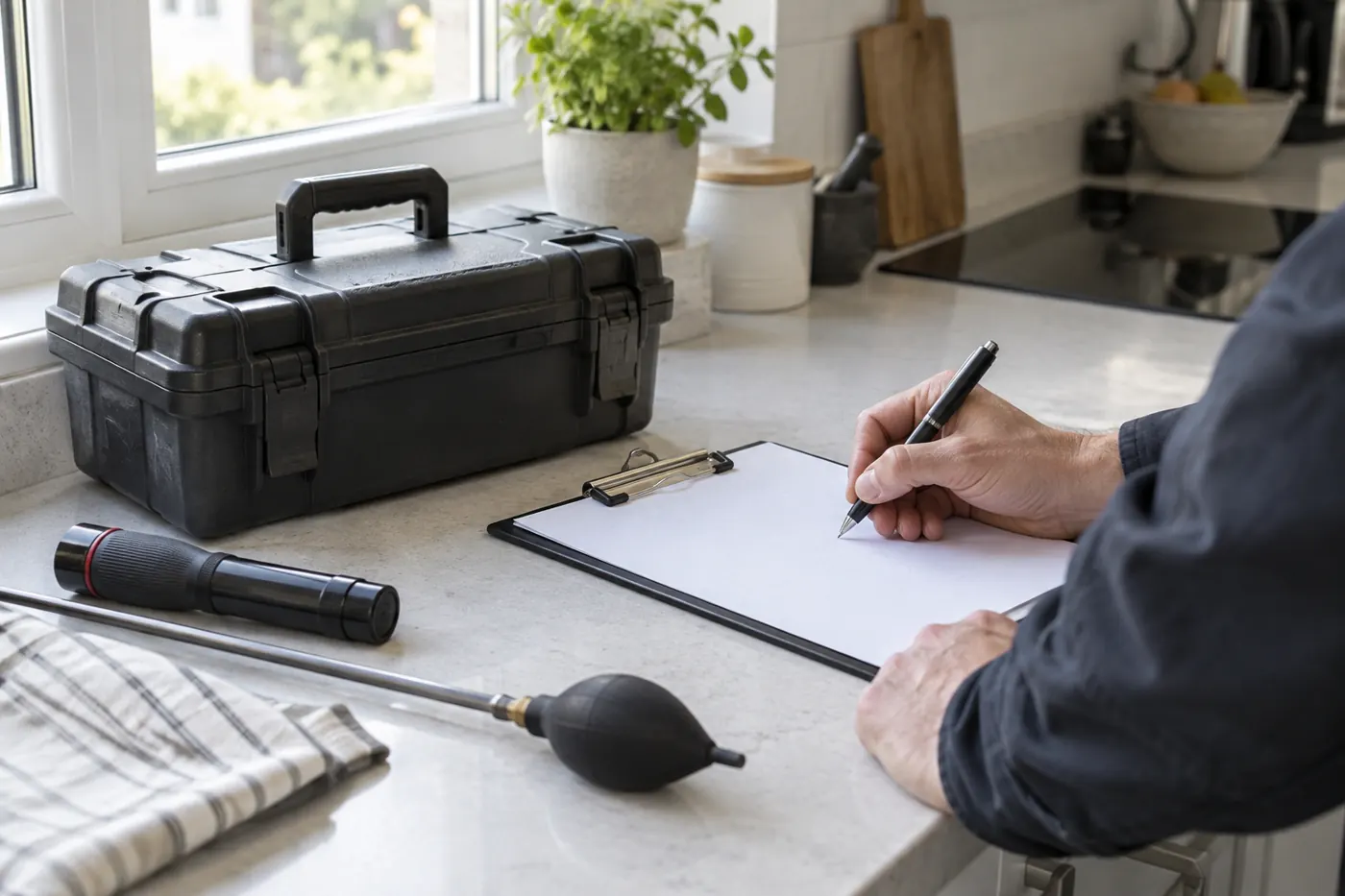
Preparing a treatment quote beside inspection equipment

The findings available

Outdoor evidence

Give the exact place and date of the observation, including whether it belongs to your garden or a shared area.

Household evidence

Fresh indoor signs need a room-specific assessment rather than a general garden description.

Prevention responsibilities

Ask which treatment or proofing work is proposed. Feed storage and routine cleaning remain practical tasks with their own agreed advice.

Ask about your options before treatment
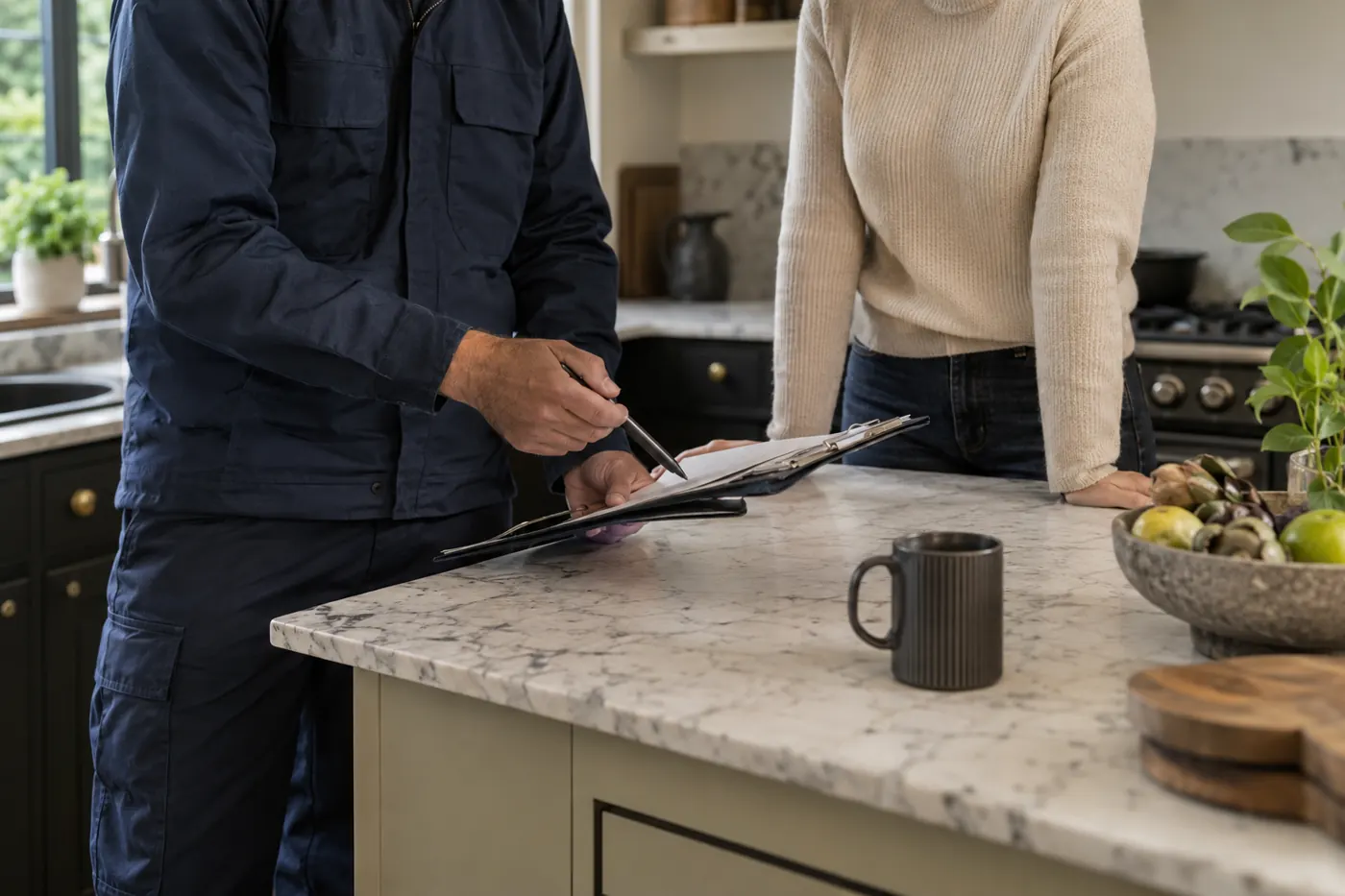
Technician discussing inspection notes at a kitchen island
Practical aftercare

Care that continues
after the visit.

Understand what to watch for after treatment, how to prepare for any follow-up visit and which changes can help keep pests out.

Ask the technician about cleaning, access and proofing for your property. Advice should fit the pest, the treatment and the way you use the space.

Advice / The property journal

Three places worth describing.

Keep the feeding routine specific enough that the relevant inspection can follow it.

Explore guides & articles ↗
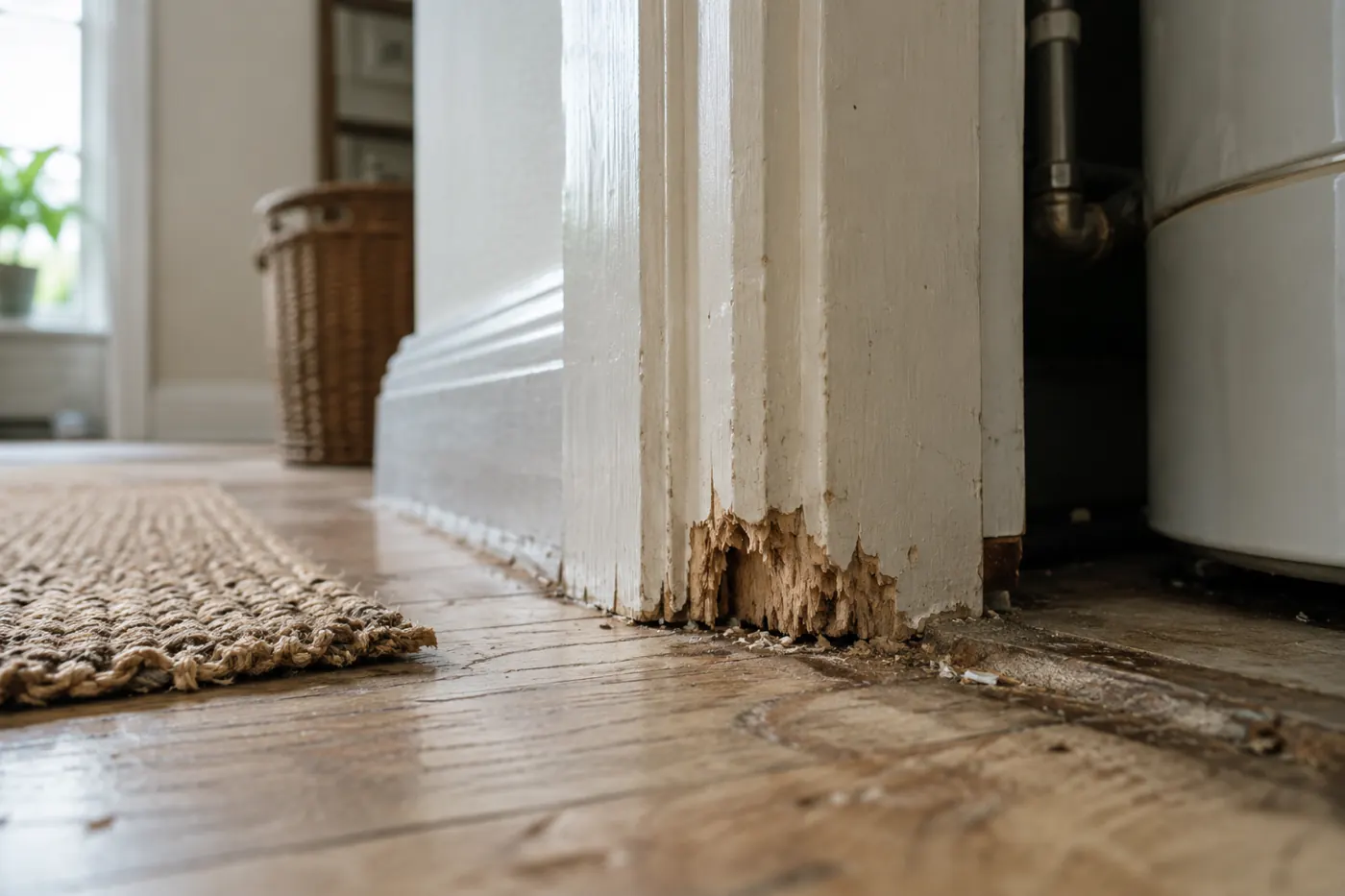
Rodent gnaw marks on a timber doorway thresholdRodent evidence

The stored supply

Name the container and visible damage, including whether its lid closes securely.

Explore the topic ↗
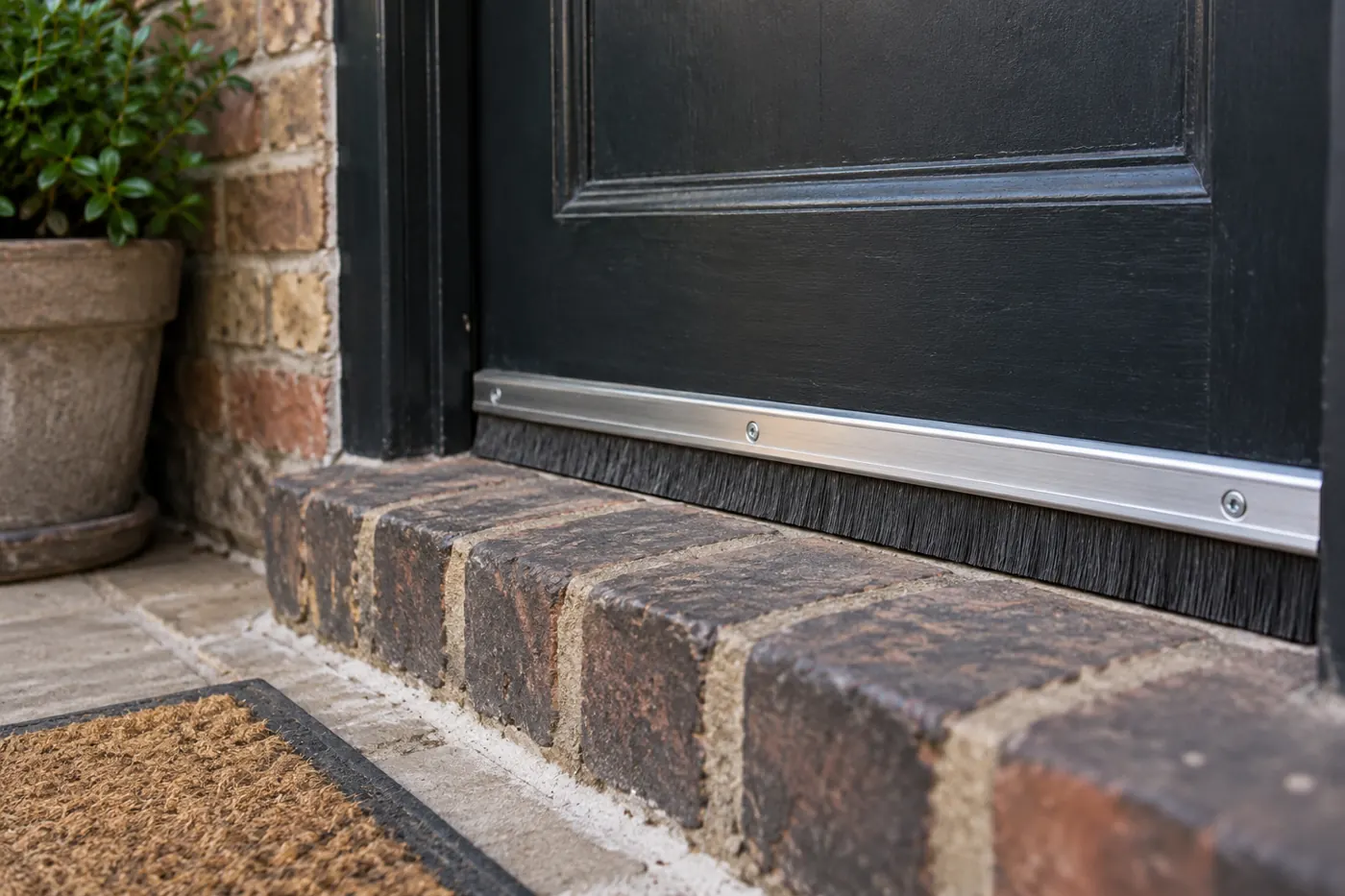
Brush seal fitted beneath a back doorProperty protection

The dispensing surface

Explain where food is measured and any spills noticed during normal use.

Explore the topic ↗
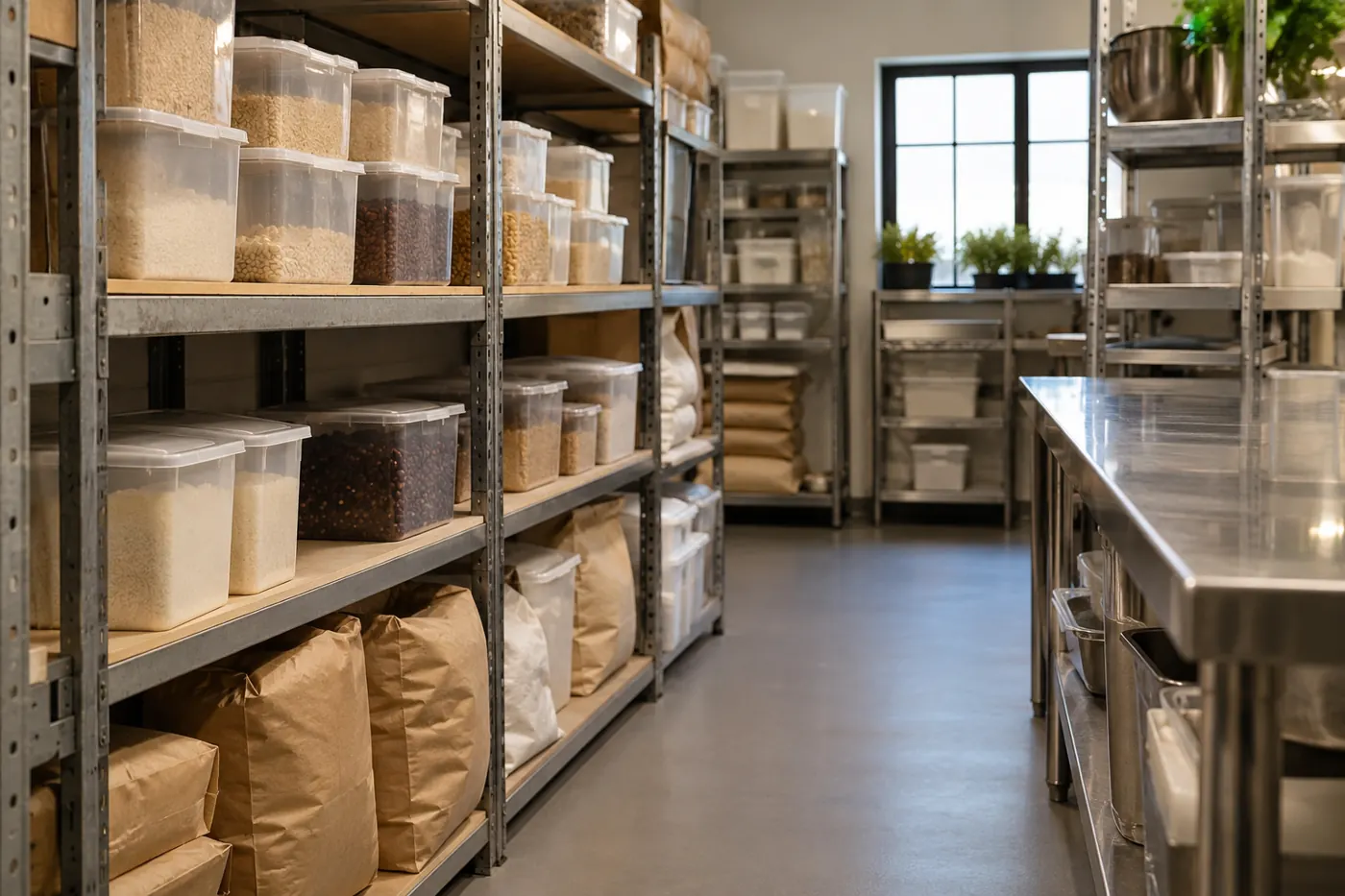
Organised storage shelving in a catering premisesFor businesses

The finding location

Record the actual pest sign separately, with its date and any evidence inside the building.

Explore the topic ↗
Useful answers / Before your visit

Bird feed storage and rodent signs.

Useful habits support prevention while actual activity is assessed.

London kitchen window and clear work surface
Describe the routine and finding

Tell us where food is stored, dispensed and where fresh signs appeared.

020 4571 7639 ↗
Does feeding birds prove there are rats?

No. Food access is a prevention consideration, while actual rodent signs need assessment at their specific location.

What should I say about the storage container?

Explain whether the lid closes and whether the sides or contents show damage. Keep the original position in the report.

Should spilled feed be included?

Yes. Describe where it occurs during filling or normal use. Seek appropriate cleaning advice if suspect contaminated debris is mixed with it.

Can I spray inside the feed bag?

Do not add pest products to wildlife food or its measuring tools. Seek identification and suitable handling advice for the actual finding.

Are garden and kitchen signs one report?

Keep separate dated locations for each. An outdoor sighting does not establish what is happening inside the home.

What should I record after changing the routine?

Date the storage or dispensing change and any fresh signs afterwards. Follow the supplied aftercare and ask about persistent activity.

London + M25 / Homes & businesses

FEED STORAGE. A CLEAR FINDING.

Tell us where the fresh signs appeared.

Storage and dispensing routine