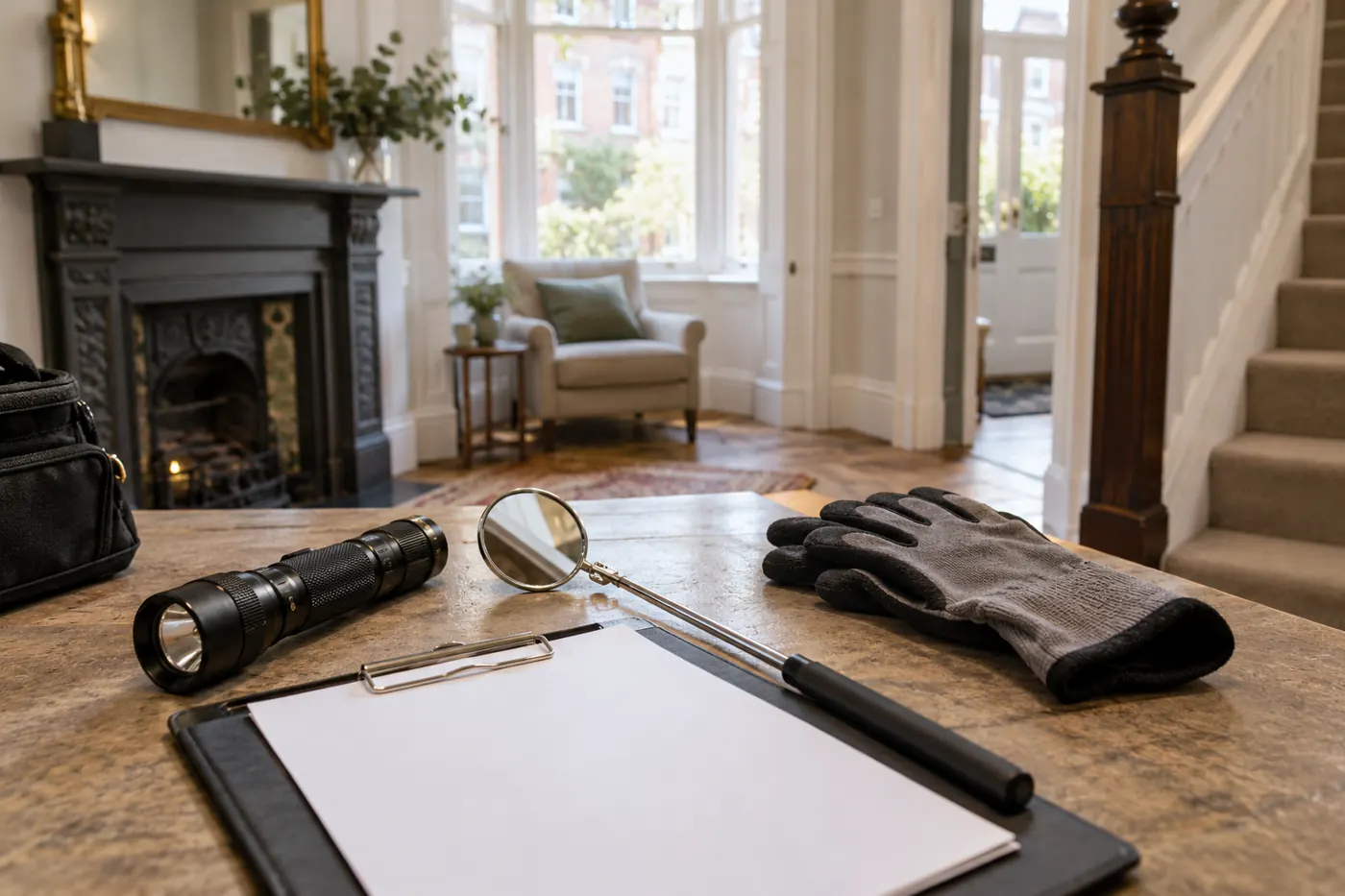

Mouse droppings in a shared office kitchenette create two immediate problems: possible contamination and uncertainty about who will act. Staff may remove the evidence while trying to help, facilities may receive several conflicting reports, and the room may reopen without a clear decision. A simple incident plan keeps people away from the affected area, preserves useful observations and gives one manager responsibility for arranging inspection, cleaning and follow up.
Pause use and assign a lead
If droppings, gnawed packaging or a mouse are seen, stop using the affected cupboard, counter or appliance. Put a clear temporary notice on the kitchenette door or specific area and provide an alternative place for drinks and food where possible. Do not let someone continue preparing refreshments beside the signs because the material looks old. Keep the restriction proportionate to what is affected, then review it after an assessment.
Name one incident lead: usually the office manager, facilities contact or designated building representative. Record who first found the sign, when, and the exact location. The lead should decide who contacts the landlord or managing agent, who books pest control, and who communicates with staff. Avoid a group chat in which several people independently order cleaning, move stock or set traps.
Decide how urgent the response is from the evidence, not the volume of messages. A mouse seen beside open food needs immediate containment and a prompt inspection. A doubtful mark in a closed store still deserves recording and a check. If the person responsible is away, nominate a deputy who can authorise access and temporary restrictions. A named owner prevents the issue from waiting until the next scheduled meeting.
Take a photograph before anything is disturbed. Include one wide view to show the sink, food storage and bin, plus a close view with a safe scale if practical. Do not handle droppings to obtain a better image. A short timeline of sightings, noises and damaged packets helps an inspector identify a route. Keep the record accessible to the incident lead rather than circulating alarming images without context.
Protect food and equipment
Separate food in the affected cupboard or on the affected counter. Treat open food and visibly damaged packaging as potentially contaminated. Do not return questionable stock to a communal shelf. Check nearby utensils, mugs and preparation surfaces, and mark what needs review before cleaning begins. If your office operates a registered food business, follow its documented food safety procedure and get specialist advice; an ordinary staff kitchenette has a different operating context.
The Food Standards Agency’s pest-control safe method lists droppings, gnawed goods or packaging, footprints and smear marks as signs to investigate in food premises. It recommends regular checks and appropriate contractor involvement. That guidance is written for food businesses, so use it as a practical reference for identifying signs, not as a claim that every office kitchenette has the same legal duties.
Ask staff not to sweep or vacuum dry droppings, spray random chemicals into cupboards, or mix cleaning products. Arrange cleaning through the appropriate facilities process once the affected stock and evidence have been assessed. Staff should wash hands after contact with potentially affected surfaces. A substantial mess, a contaminated appliance or signs near damaged wiring need a more careful professional plan than a quick wipe of the worktop.
Map the likely route

An inspector should check more than the place where pellets were found. Under-sink pipe openings, cabinet plinths, skirting, service risers and bin storage can connect a kitchenette to other parts of the building. Record whether neighbouring rooms or floors have signs and whether deliveries or building work recently changed the area. Do not pull fixed units or reach into electrical voids during a staff search.
The BPCA mouse advice leaflet describes droppings, smear marks, nesting and gnawing as signs of activity. A small dark pellet alone is not a reliable species identification. An inspector can compare several clues and decide whether monitoring, treatment and proofing are needed. Ask them to mark each finding on a plan rather than giving only a verbal conclusion.
If the kitchenette shares a wall with another tenant or a communal riser, the office manager may need the managing agent to coordinate access. Agree who can enter adjacent spaces and who will receive the report. The first office to notice signs should not be expected to repair a shared building route without confirmation of ownership and access.
Make communication useful
Tell staff which area is temporarily unavailable, where alternative facilities are, and how to report new signs. Ask for the time and precise location of each report, not guesses about how many mice are present. Avoid identifying an employee or team as the cause. Food habits can be improved without blame: seal shared snacks, remove overnight leftovers and empty bins on the agreed schedule.
Keep one version of the incident log. Include the date of restriction, contractor visit, cleaning, stock disposal decisions, repair requests and follow up checks. If an employee reports droppings after the first clean, note whether they are in a newly cleaned and monitored position. That distinguishes possible fresh activity from old material discovered behind another cabinet.
Plan the handover to cleaners and security staff. Tell them which cupboards or appliances are restricted, where any monitoring device sits, and whom to call if they see a live animal or fresh signs. Ask them to report observations before moving equipment. Their records can reveal overnight activity that the daytime team misses, while keeping the response coordinated through one log.
Agree inspection, treatment and proofing
Ask the contractor to explain the species evidence, likely route, immediate controls, monitoring positions and follow up date. The commercial pest control service can assess the workplace setting, while mouse control addresses the suspected species. Pest proofing becomes relevant when access gaps and building responsibilities are clear. The plan should say who is responsible for any cabinet, plumbing or shared-space repair.
Do not place unlabelled bait or unattended traps in a shared kitchenette. Staff and cleaners need to know which areas are restricted and who may handle control equipment. The contractor should document what was installed, where and when it will be checked. Treatment without food management and repair can leave the same route open.
Reopen the affected area only after the incident lead has reviewed the inspection and cleaning findings. Record what was discarded or cleaned, what is still restricted and when monitoring will be reviewed. A clean surface alone is not proof that the entry route has been resolved. Communicate the reopening decision plainly so staff do not rely on rumours.
The wider guide to keeping a business pest free covers routine prevention. This incident plan is narrower: it gives an office team a sequence for one shared office kitchenette, with accountable reporting and a documented decision to reopen. That sequence helps the next report get handled faster and gives the contractor evidence they can use.