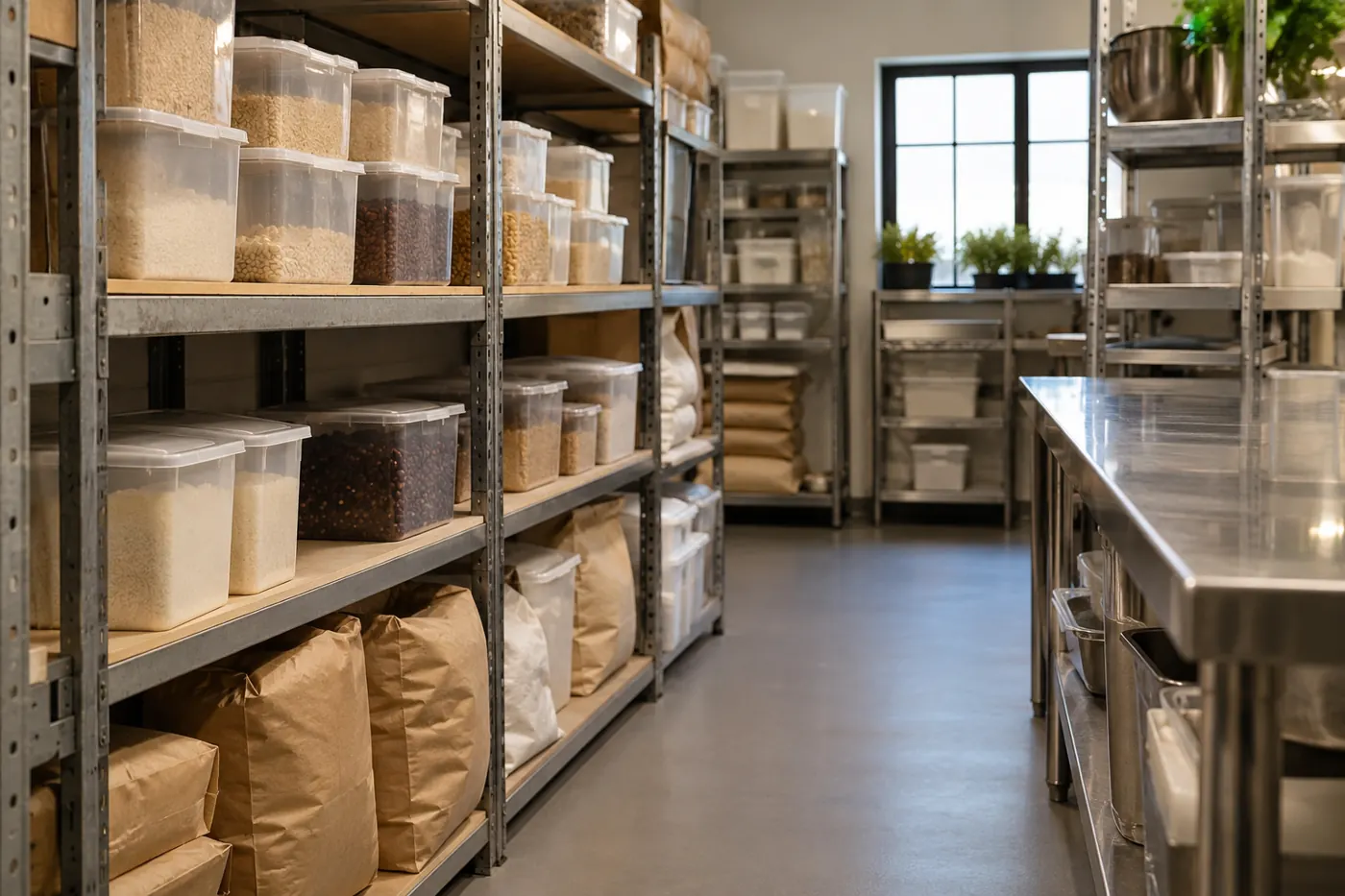
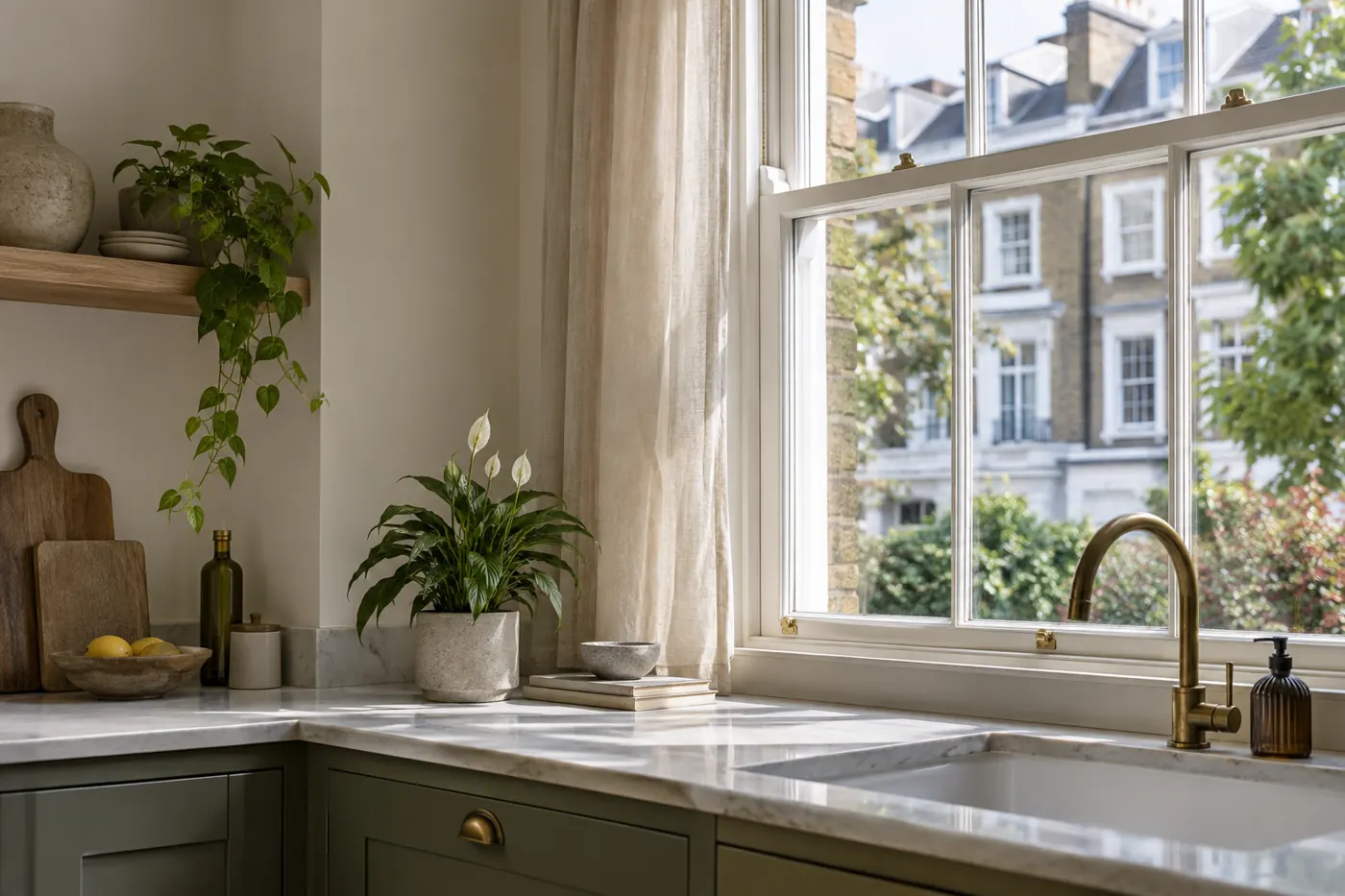
The Barbican Estate has residential blocks, balconies, gardens and raised pedestrian routes. City of London resident guidance also describes common parts and communal ventilation arrangements. If you are arranging pest control in the Barbican, give the block, flat and affected room, then describe any balcony or garden sighting separately. An outdoor observation can be useful background, but the inspection still needs to understand what is happening within the home. Say whether there is fresh damage or an insect indoors, or whether your concern has so far been entirely outside. Keep shared corridors and escape routes clear when preparing for a visit.
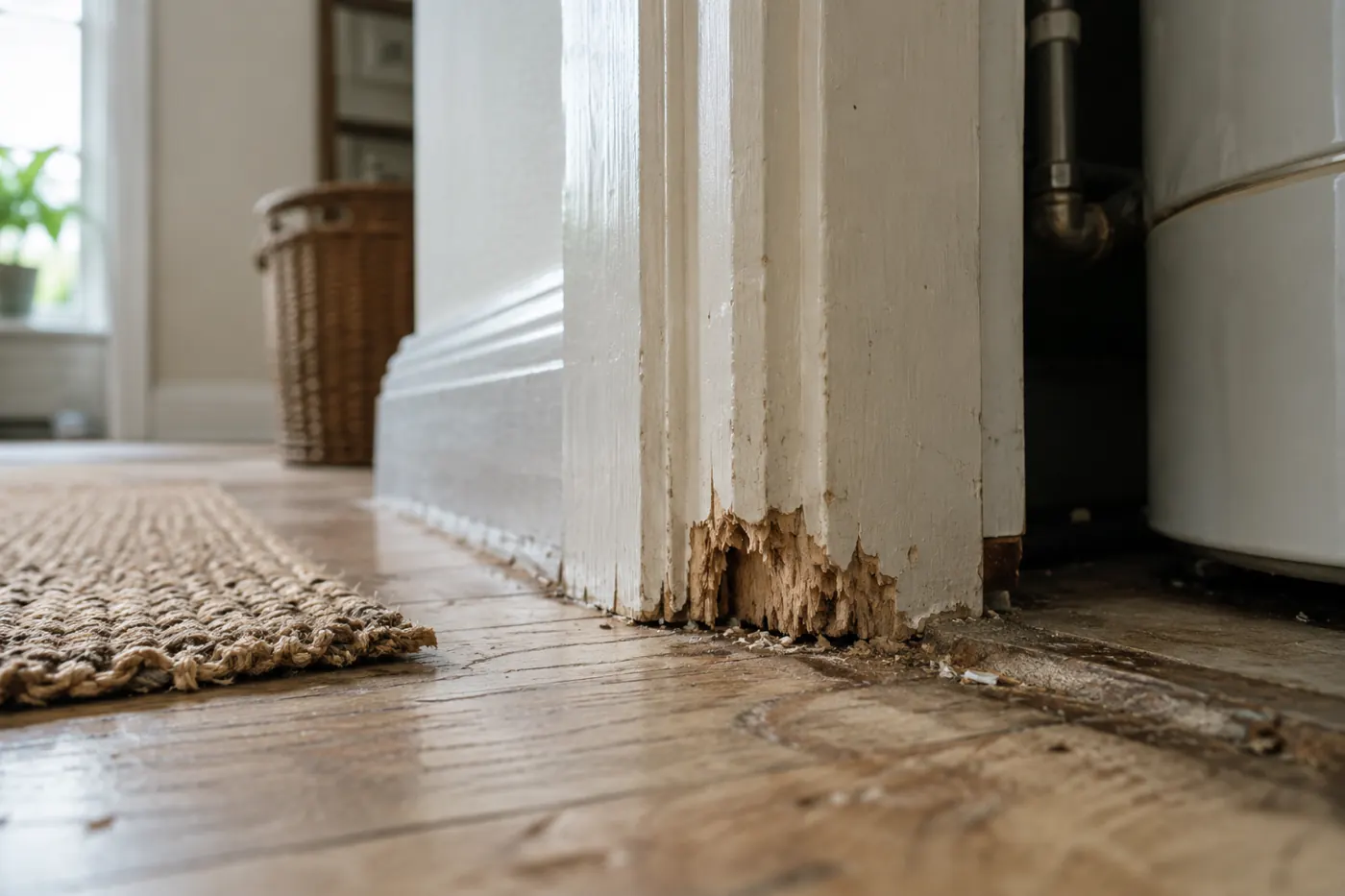
For signs in a kitchen cupboard, discuss mouse inspection and treatment with the original position and date. Explain the accessible service openings and any earlier cleaning or repairs. If a larger animal was seen in the grounds, give that location as a separate account when asking about rat control. Do not assume a sighting in shared surroundings establishes a route to your flat. An upper-floor address also should not replace a proper account of indoor evidence.
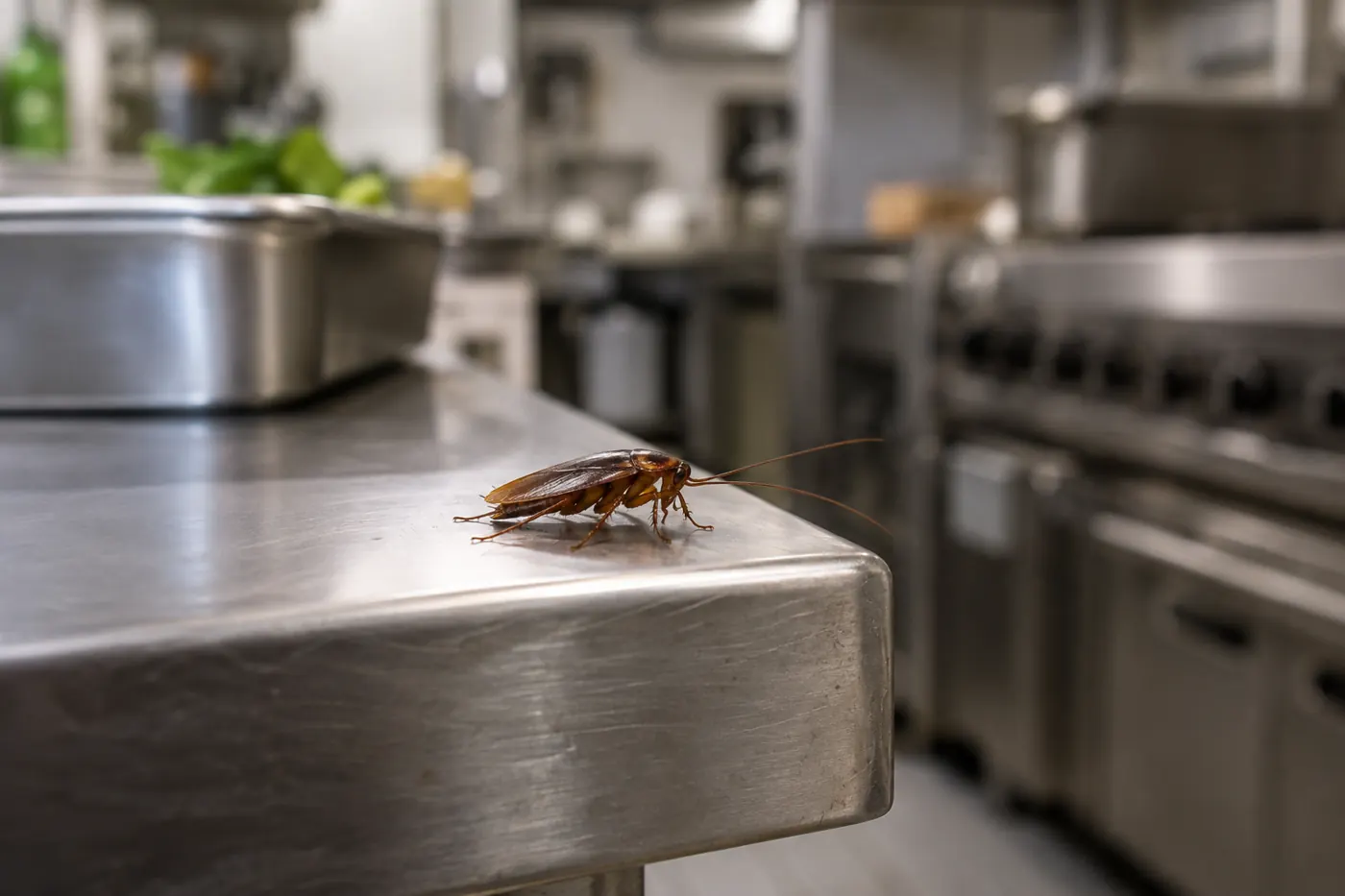
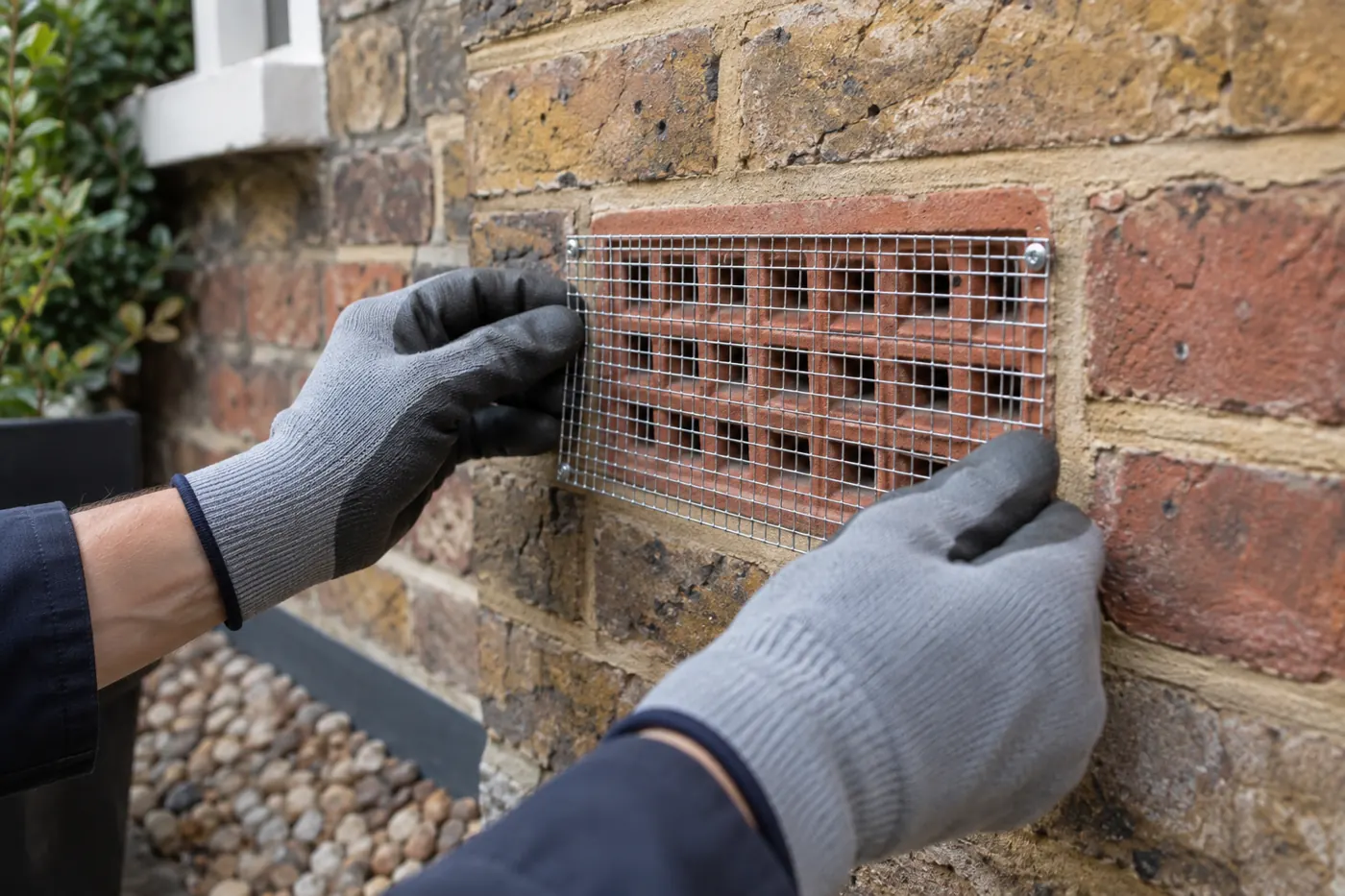
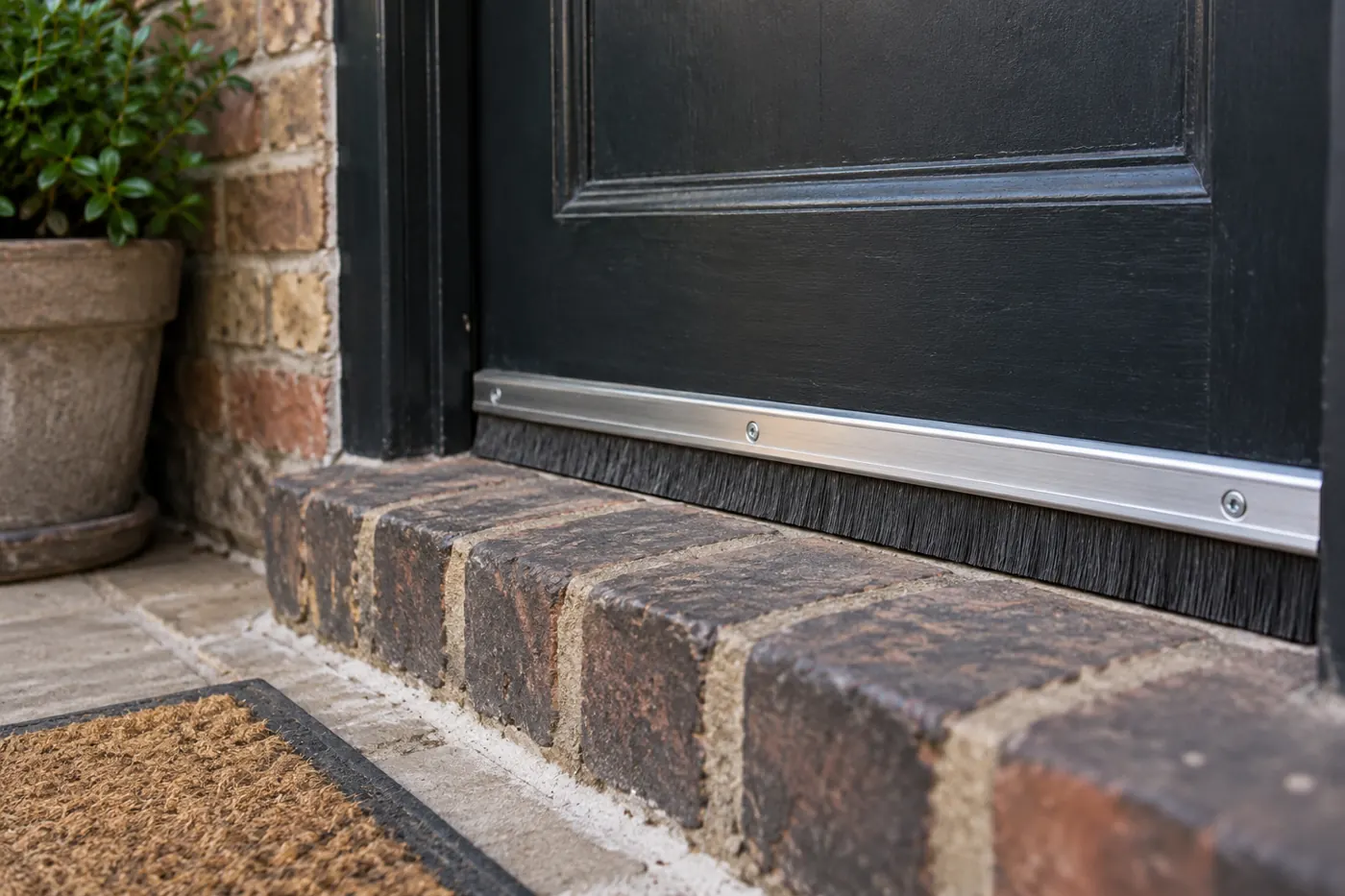
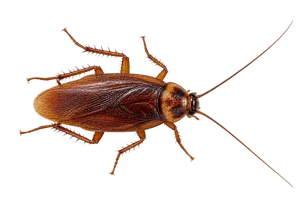
If an insect is found near kitchen equipment, ask about cockroach identification using a clear photograph rather than a broad report of insects in the building. For any proposed pest proofing, explain whether the opening is within your flat or part of a managed system. Necessary ventilation should continue to work. Discuss relevant repairs with the appropriate property contact before changing communal features, and ask how the treatment preparation fits the occupied rooms.
For an address farther east, our Moorgate guidance considers staff facilities and working premises. Towards Clerkenwell, the Clerkenwell page looks at limited workspace. Call with your full postcode and arrival directions; the best starting point is the actual flat and evidence, not a general report about the whole estate.
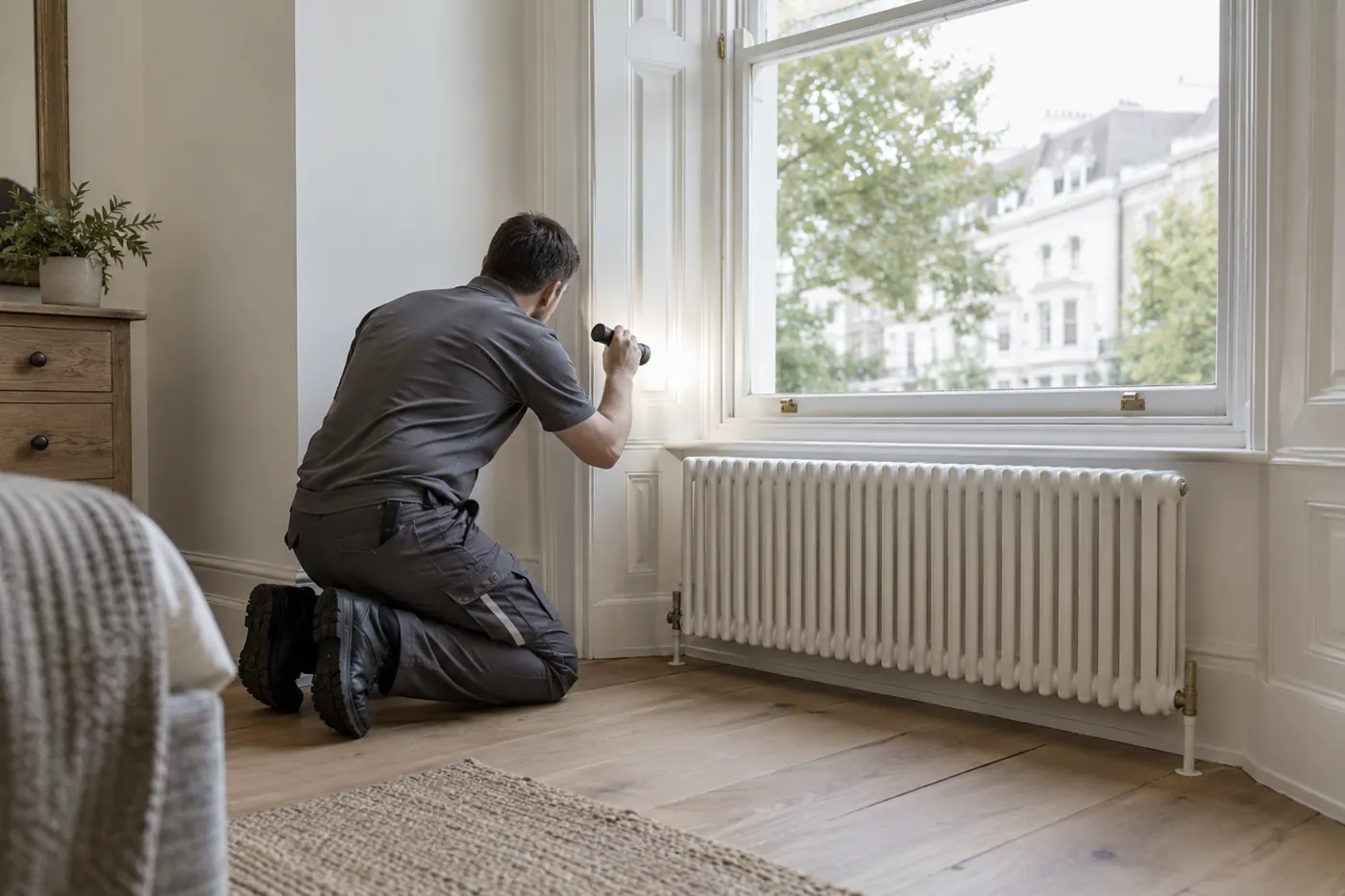
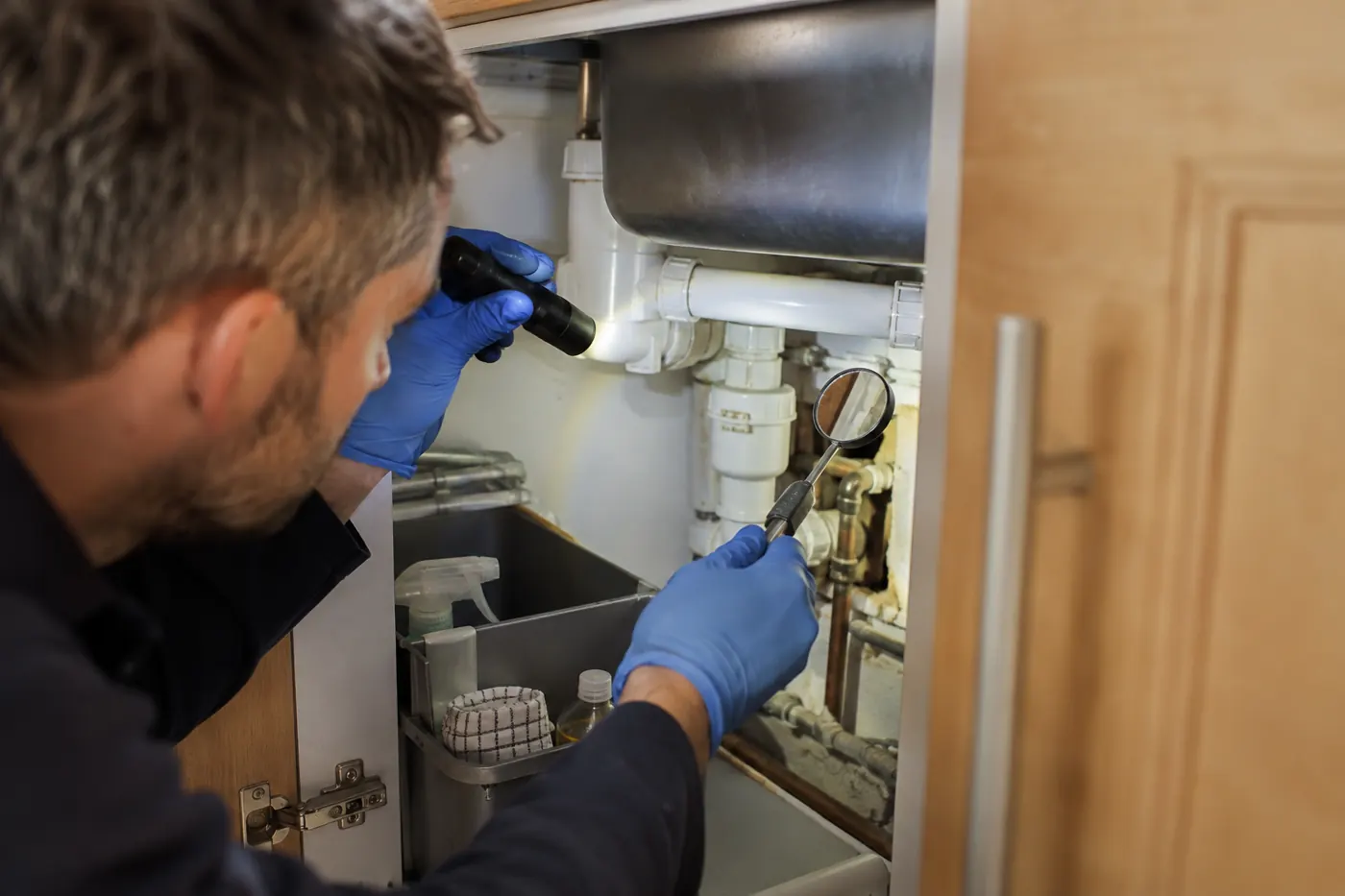
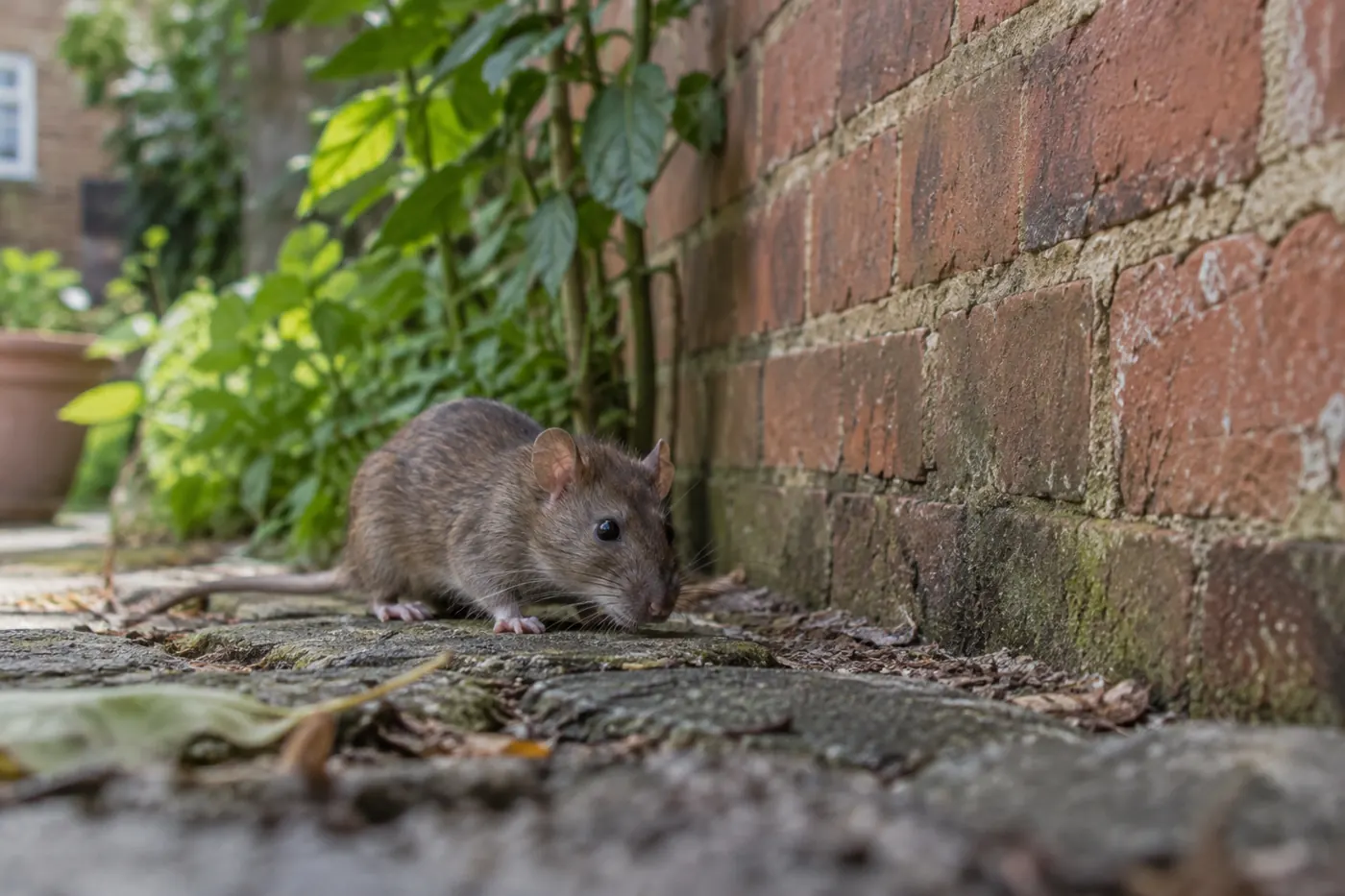 Rodent inspection