London + M25 pest control

Pest Control Brentford

Signs close to a floor void need safe access planning before anyone opens the structure.

  • Accessible pest evidence assessed first
  • Concealed spaces described without entry
  • Repair and contractor responsibilities clarified
Call 020 4571 7639 ↗Explore treatments ↓
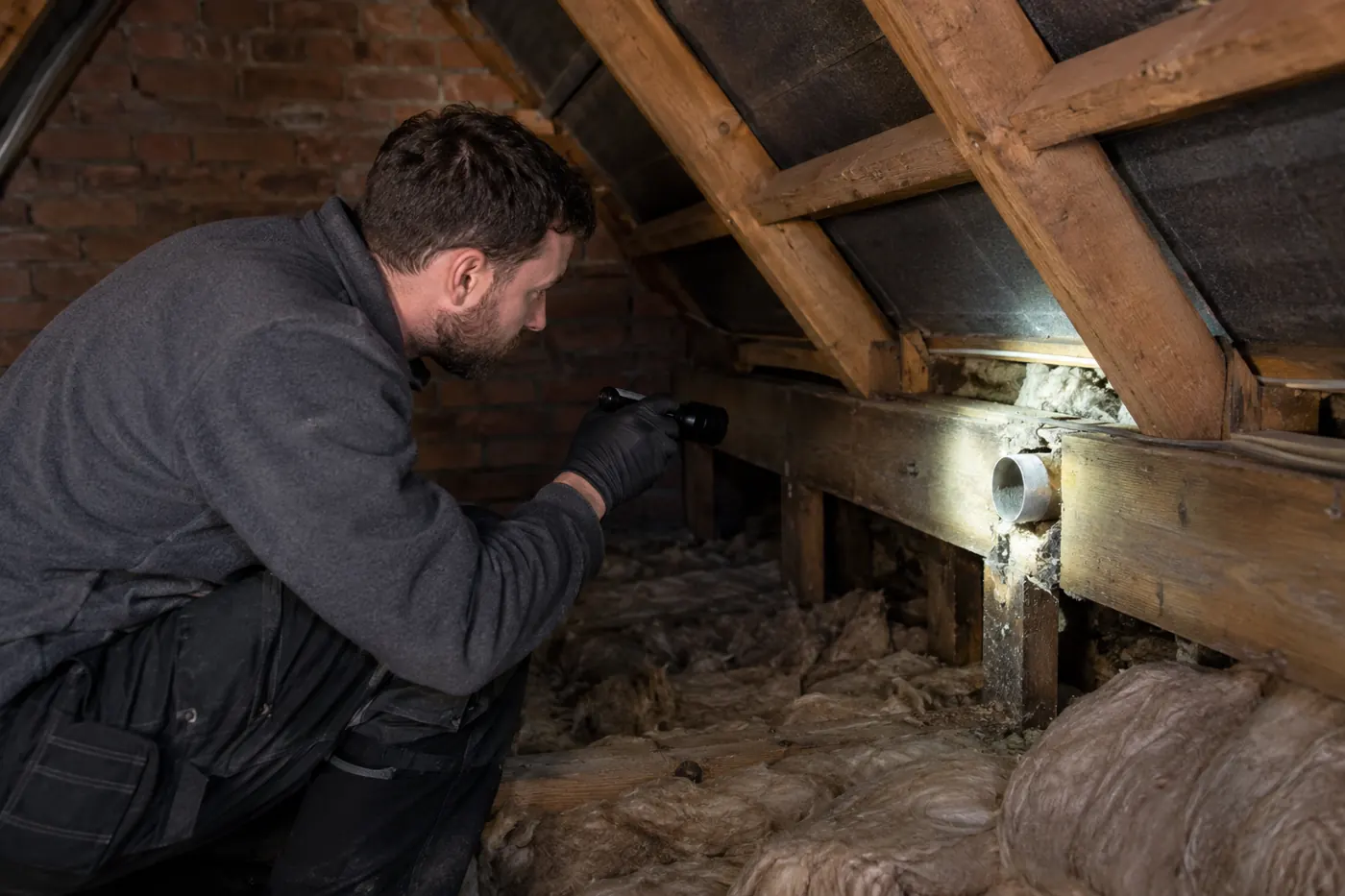
Technician assessing a loft for rodent activity
REQUEST SAME-DAY RESPONSELondon + M25
Homes / Businesses
Small signs. A closer look.
Understanding your pest problem

Do not turn an inspection question into unsafe entry.

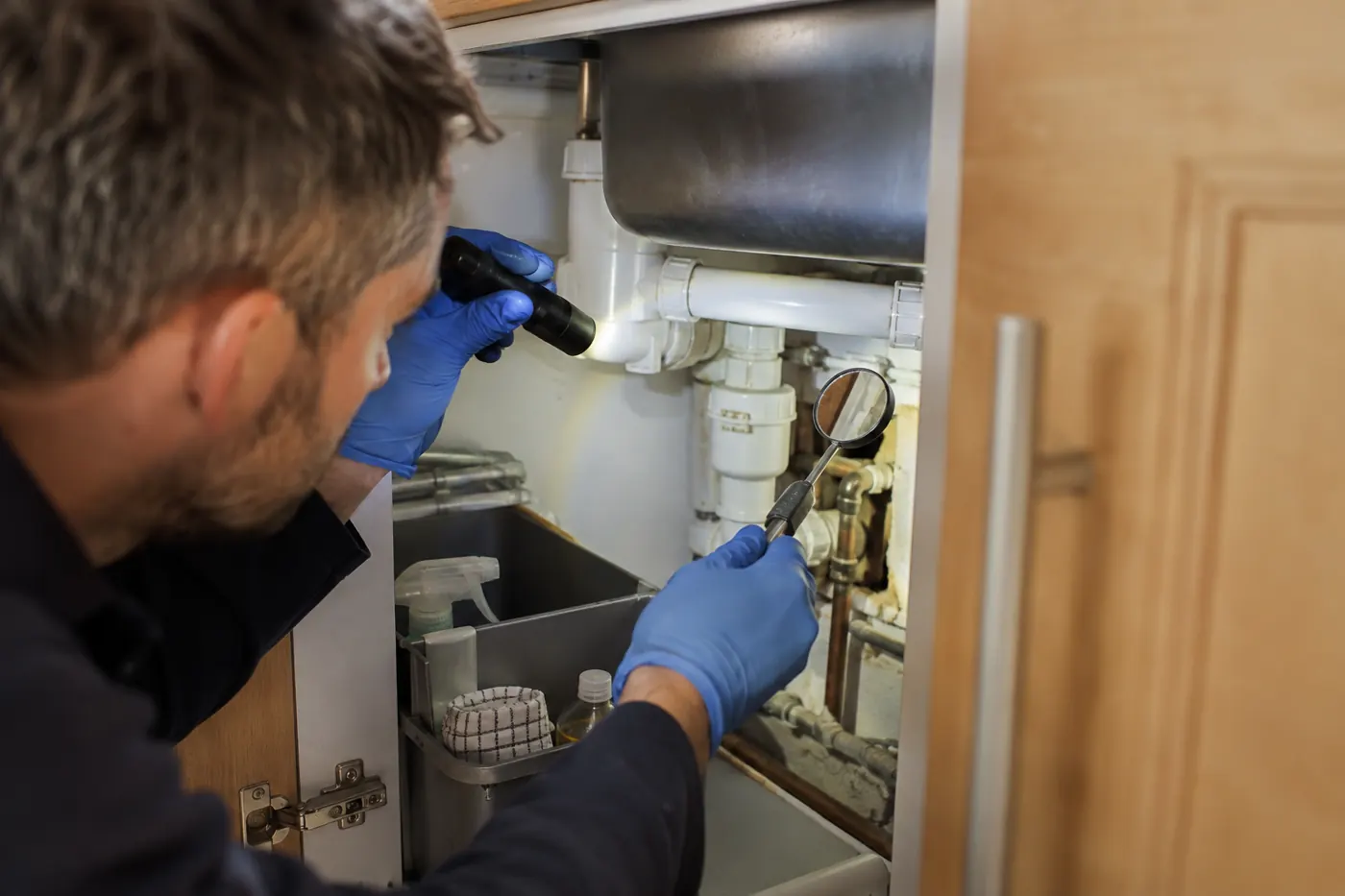
Inspection of pipe entry points beneath a kitchen sinkInspection / Entry points / Prevention

Noise below a floor or signs near a floor-level opening can lead to a question about an inaccessible space. For pest control in Brentford, describe what you can see from the occupied room and explain which parts cannot be reached safely. A technician needs a realistic account of access before planning the visit. Do not crawl into a void, cut a panel or lift fixed flooring to look for evidence. A floor construction or maintenance question may need a separate qualified contractor before concealed areas can be inspected.

Start with visible findings. Droppings beside a service opening, damage around a skirting edge and a sound below the floor should each have their own position and date. Our mouse inspection can assess accessible rodent evidence. If there are larger signs, rat assessment needs those described clearly. Noise by itself cannot identify the animal or confirm a route. Explain whether there is an existing hatch and who has authority to open it, without attempting entry to make the appointment easier.

Where a possible route is assessed, pest proofing needs to respect the building’s structure, ventilation and future access. The person arranging pest work may not be the person responsible for structural alterations. Keep those roles clear. In a business, commercial inspection also needs the working room and staff access arrangements. An insect found at a floor edge should be photographed for identification rather than added to a rodent report; cockroach treatment depends on insect evidence.

Brentford sits around the Thames and Brent river setting described in the council’s planning material. That local setting helps locate your property; the actual floor layout determines access. Give the postcode and floor involved. For an address to the east, see Chiswick guidance; for one farther west, use Isleworth guidance. Keep accessible observations ready while the need for any separate contractor access is clarified.

Treatments / Built around your property

Accessible findings before concealed work.

Explain the evidence and the limits of the space that can be inspected.

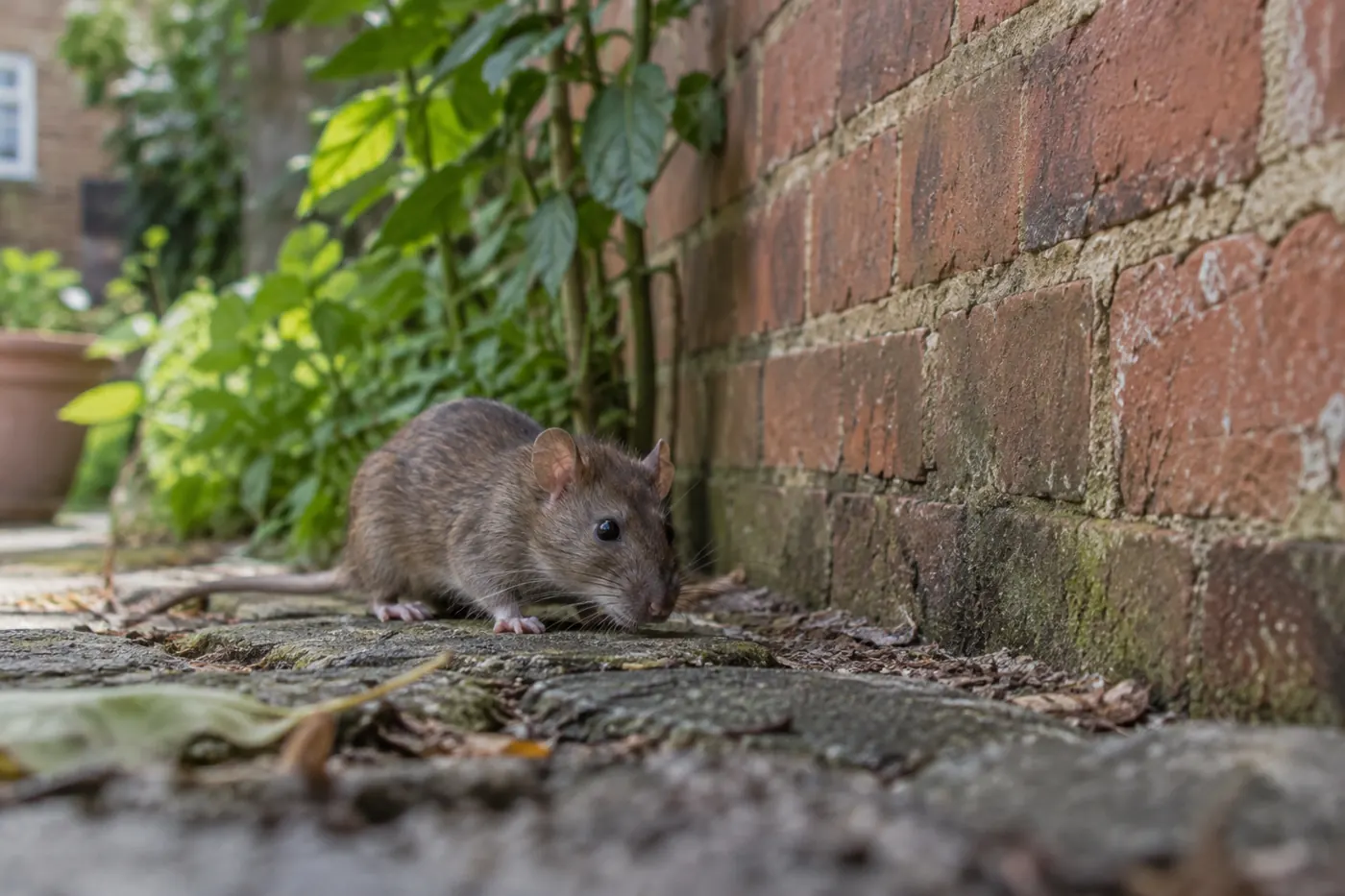
Brown rat beside a brick wall at a London propertyRodent inspection
Rodents / Rat & mouse control

Rodent signs near the floor.

Give the exact visible position of droppings, damage or an opening from the room side.

Keep below-floor noise as a separate observation rather than using it to choose a rodent species.

Begin with what is safely reachable

An inspection can compare accessible findings and identify any further access needed.

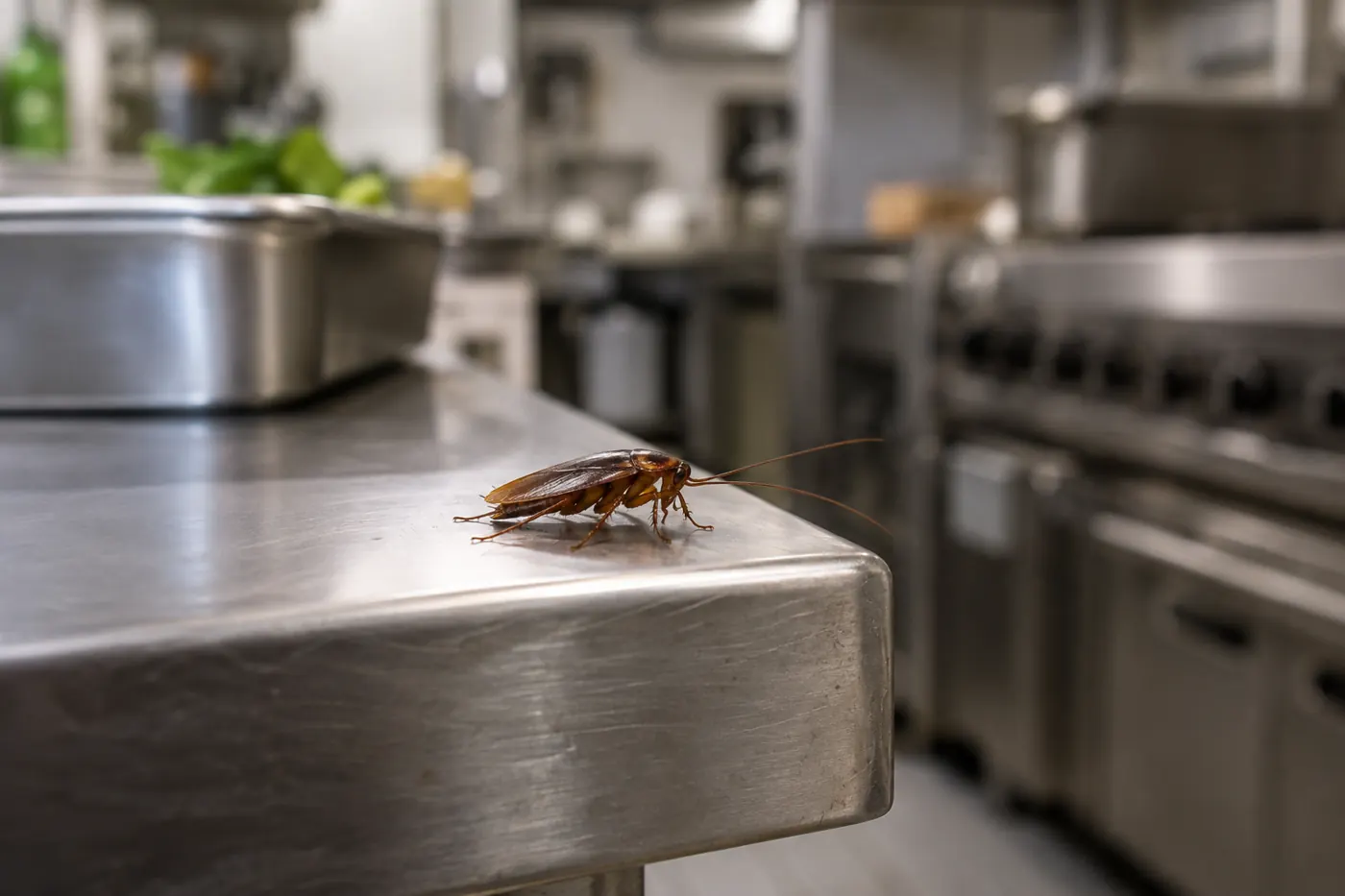
Cockroach at the edge of a commercial kitchen work surfaceKitchen inspection
Insects / Targeted treatments

An insect at a floor edge.

Photograph the insect and name the room, edge or opening where it was found.

Do not assume an insect and a below-floor sound share a cause.

Choose treatment from identification

Explain occupied-room use before agreeing preparation for insect work.

Furniture and belongings should stay associated with the room unless specific preparation requires a move.

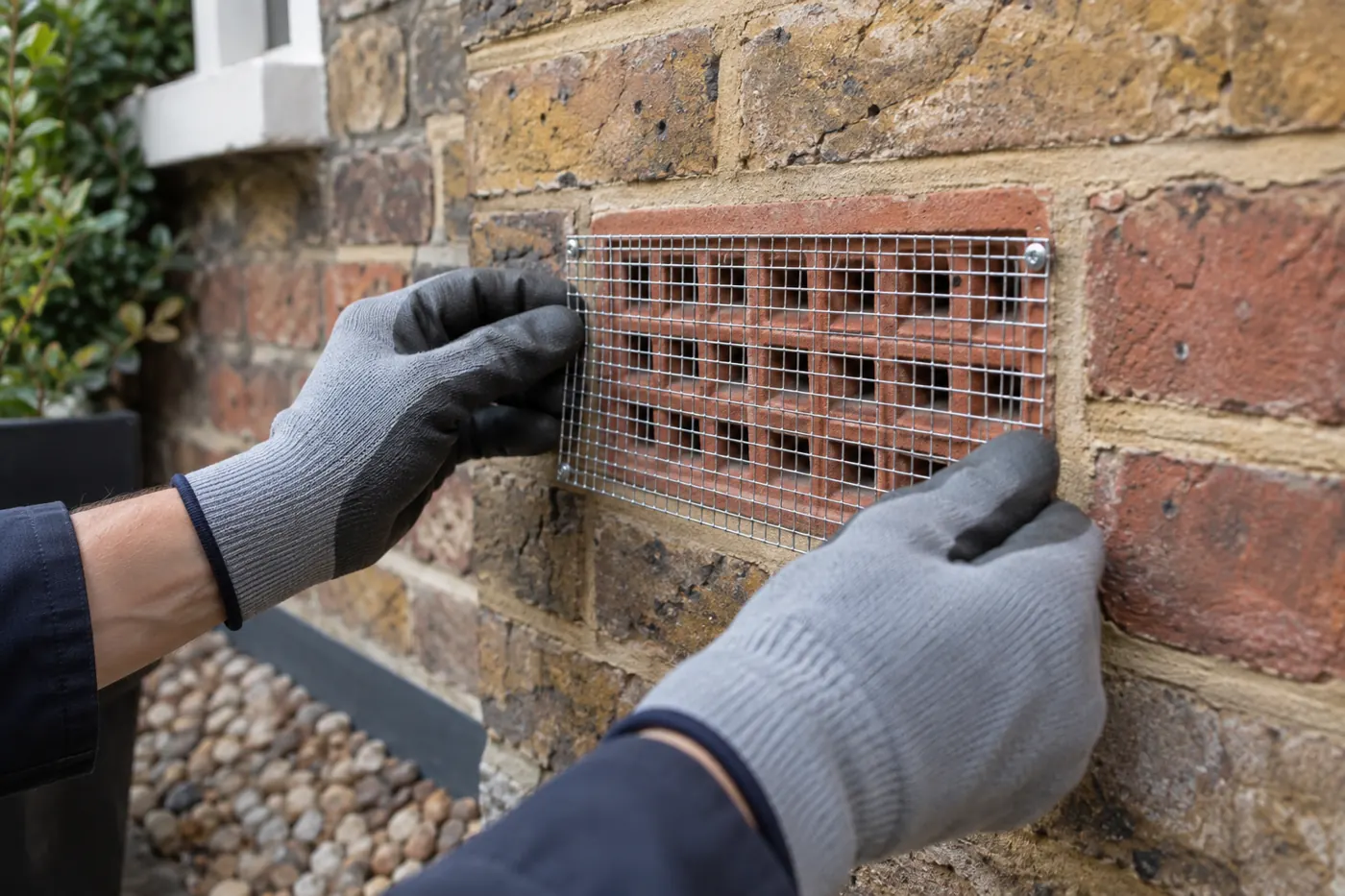
Gloved hands fitting protective mesh to an external air brickEntry points & prevention
Protection / Pest proofing

Opening a concealed space.

An existing hatch, fixed panel and structural floor opening have different access questions.

Clarify who can safely provide access and who has authority to approve physical work.

Repairs need the route assessed

Maintain necessary ventilation and future maintenance access when discussing proofing.

Start with what you have noticed

Plan the next step safely.

Use accessible evidence to establish whether pest work or separate contractor access comes first.

Call 020 4571 7639 ↗
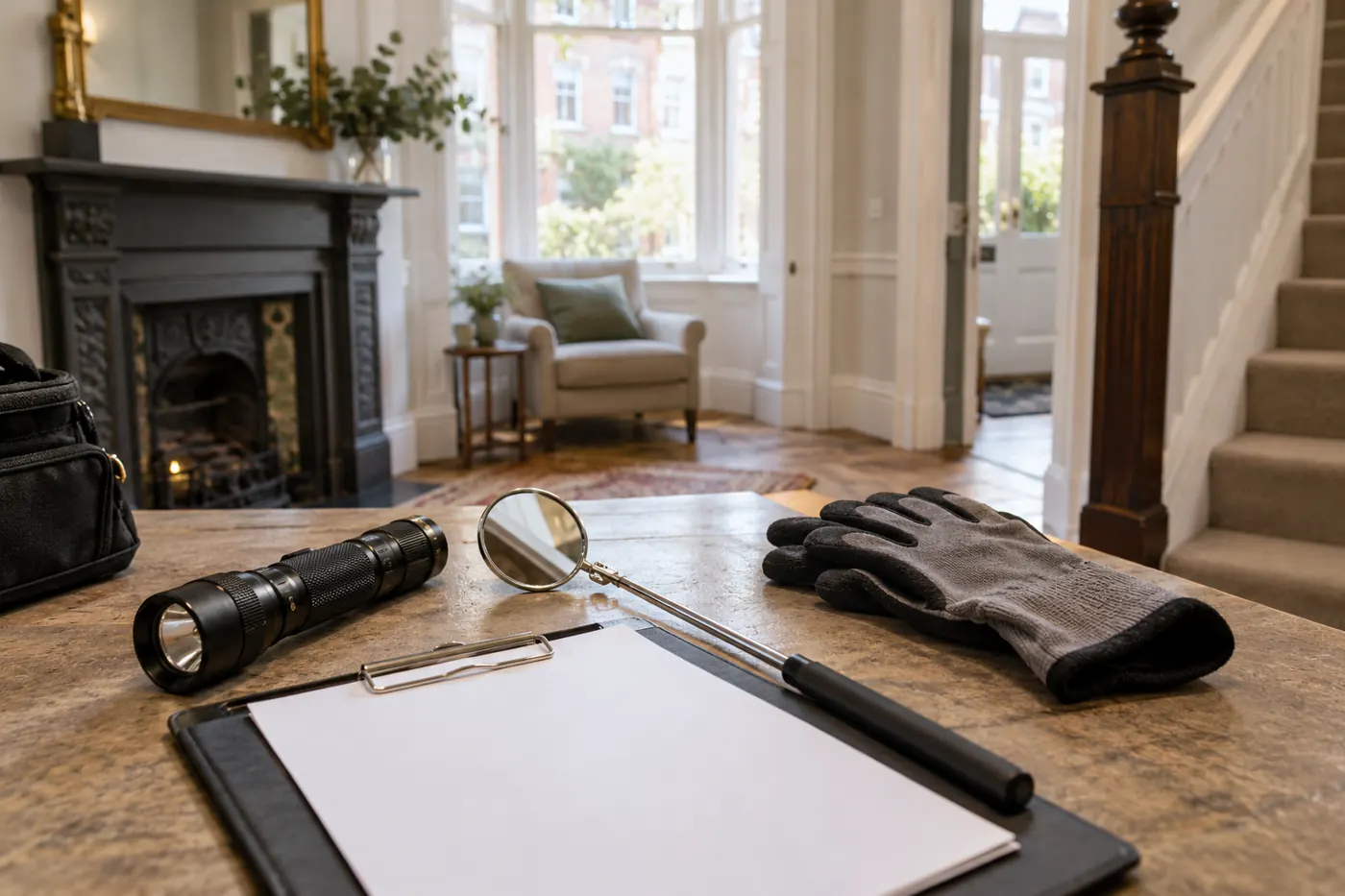
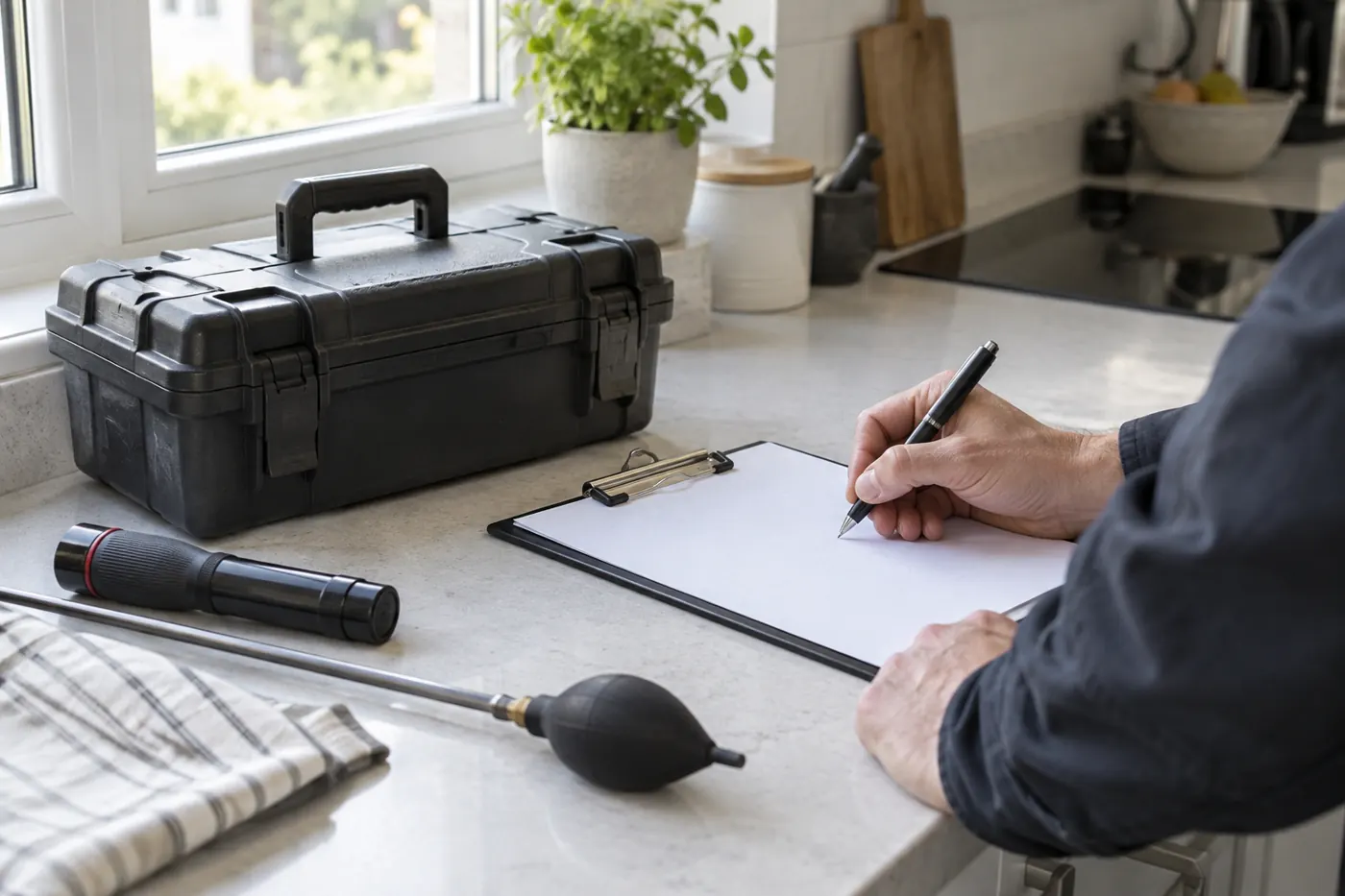
Torch, mirror and gloves prepared for a pest inspection
The diagnostic sequence

Evidence, access, then the work.

RECORDIdentify
→
ASSESSTrace
→
CLARIFYTreat
→
PLANPrevent
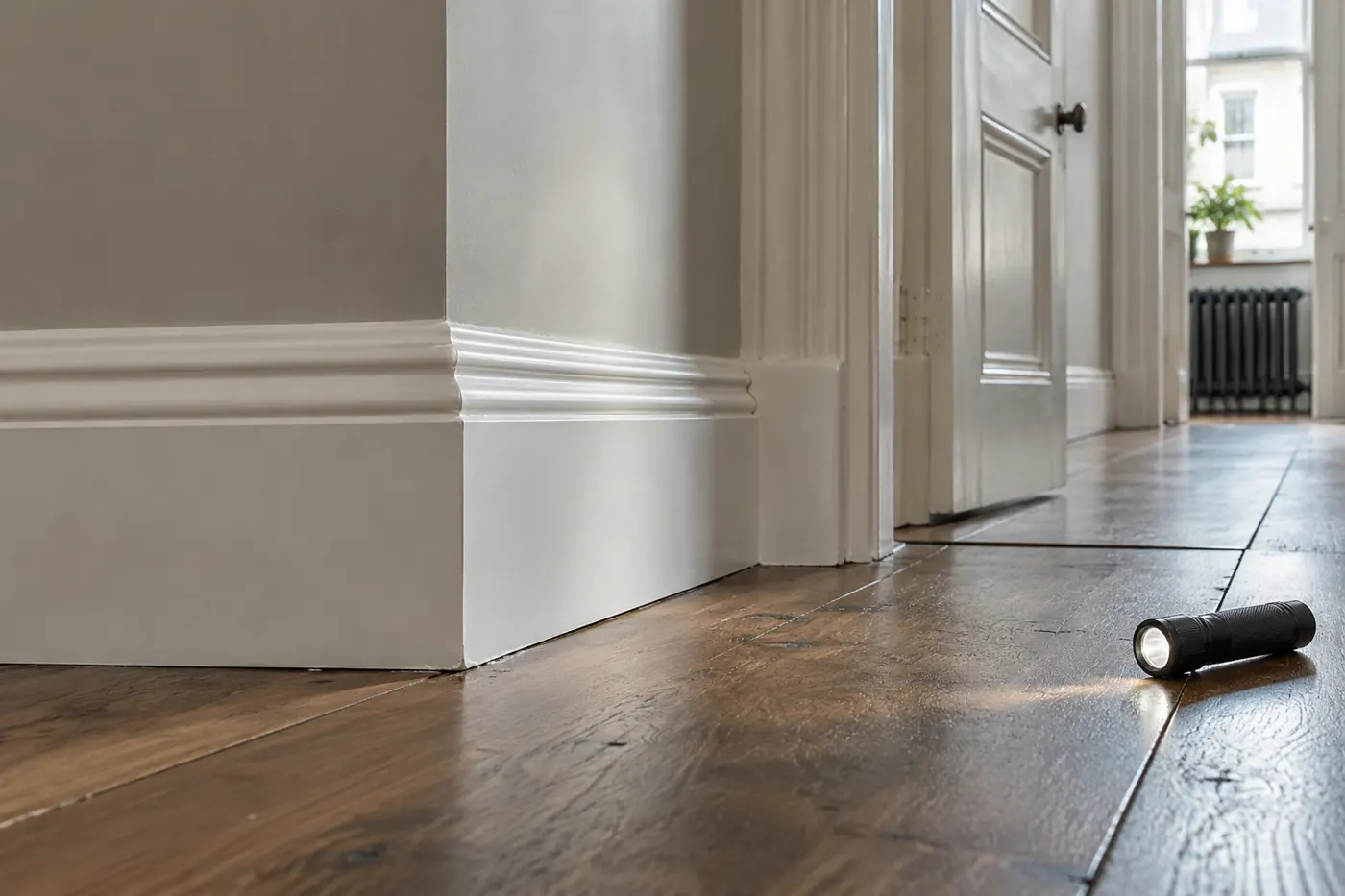
Sealed skirting corner and inspection torch in a period hallway
Property protection / Pest proofing

A concealed route is not permission to enter a void.

Describe the hatch or floor construction from the safe room side. Explain any existing access information held by the owner or maintenance team.

If opening the structure requires separate expertise, clarify that work before the pest appointment depends on it.

Pest proofing, explained ↗
Domestic & commercial pest control

The person responsible for access matters.

Describe the floor involved and who can approve work.

London apartment living room with a bay window
The spaces you live in

A ground-floor home

Provide accessible signs without lifting fixed flooring yourself.

Discuss your property ↗
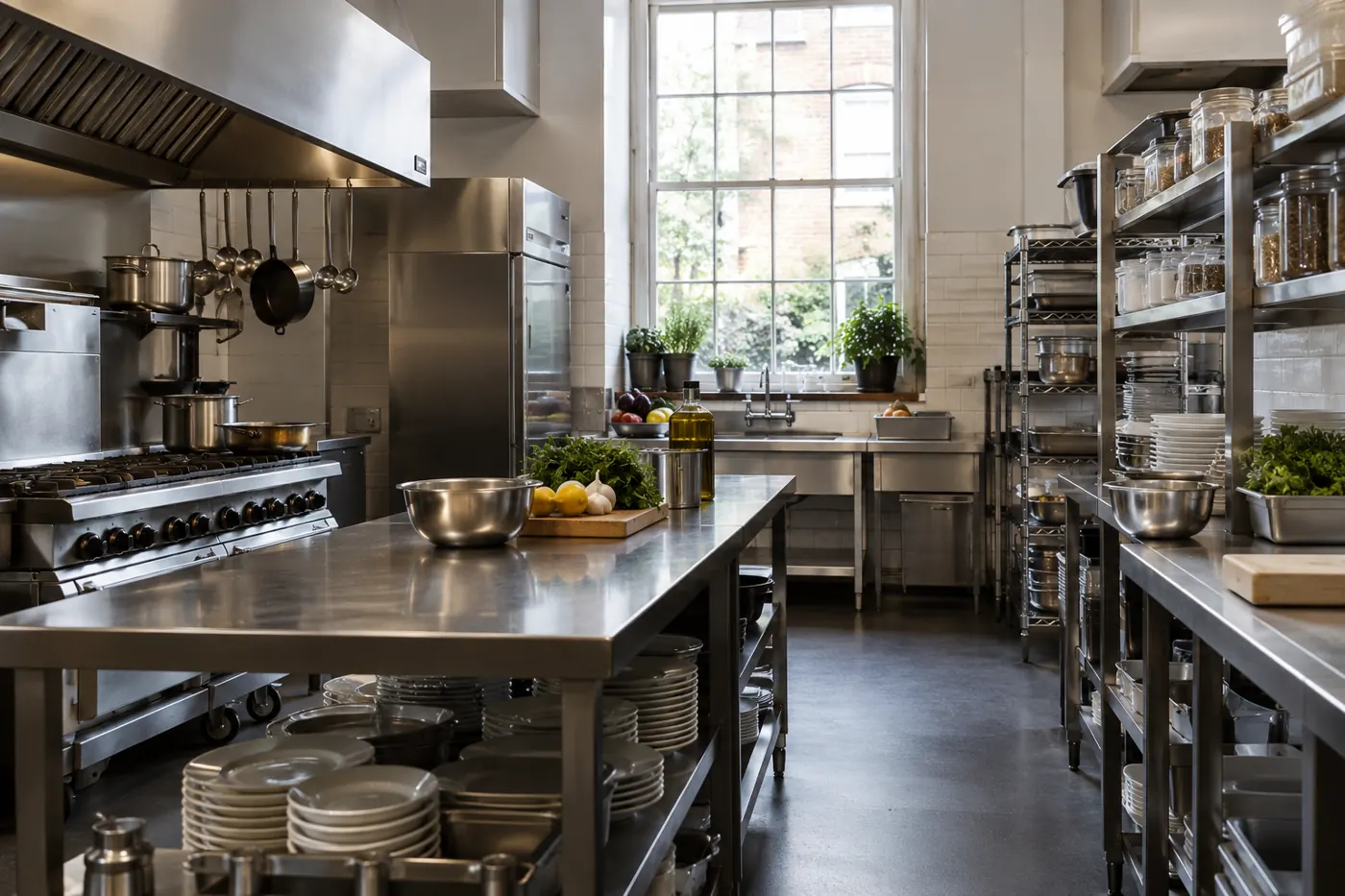
Independent restaurant kitchen with stainless steel work surfaces
The spaces you serve in

A rented property

Connect the room report with the person who authorises alterations or contractor access.

Discuss your property ↗
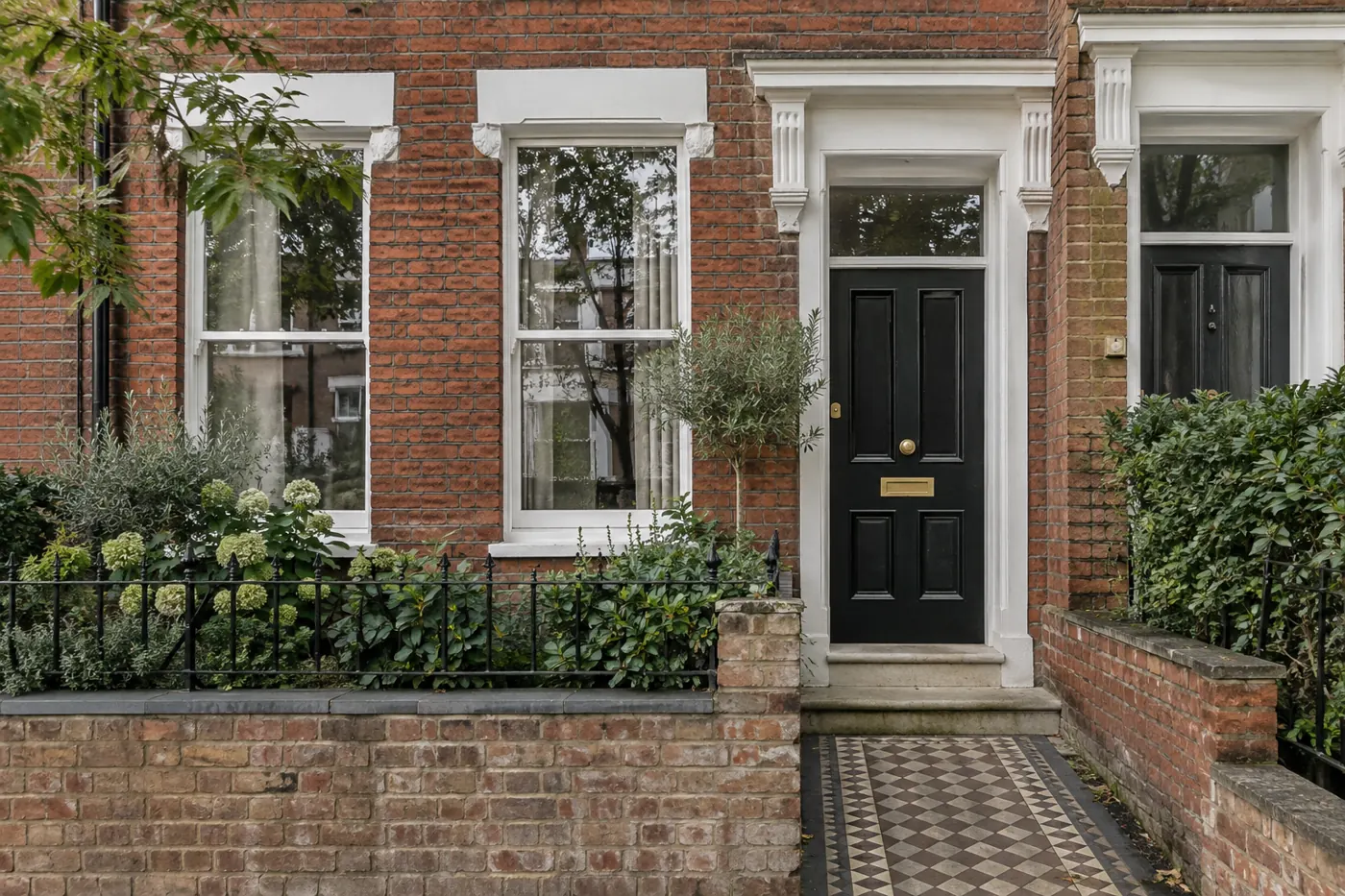
Entrance to a London rental property with a red brick facade
The spaces you manage

A shared building

Keep an individual room’s evidence separate from access to common structural spaces.

Discuss your property ↗
Modern office kitchenette and breakout area
The spaces you work in

A workplace

Explain staff use and the maintenance contact for any concealed equipment or floor area.

Discuss your property ↗
London & the M25 / Our service area

Brentford, with the floor and access identified.

Give the postcode and accessible evidence position.

Explain which floor is involved and whether an existing hatch or maintenance record is available.

Homes & flatsLandlords & rental propertiesBusinesses & commercial premises
Discuss your postcode ↗020 4571 7639
Explore the areaOpen full map ↗
Clear information / A quote for your situation

Access limits should be clear before the quote.

Describe the reachable evidence and any concealed space.

Discuss pricing · 020 4571 7639 ↗
Preparing a treatment quote beside inspection equipment

Inspection area

Name what can be examined safely from the occupied room.

Contractor work

Clarify whether opening or maintaining the structure needs another qualified person.

Proofing scope

Agree the assessed route and who can approve physical repairs.

Keep pest work and structural access responsibilities clear.

Ask about your options before treatment
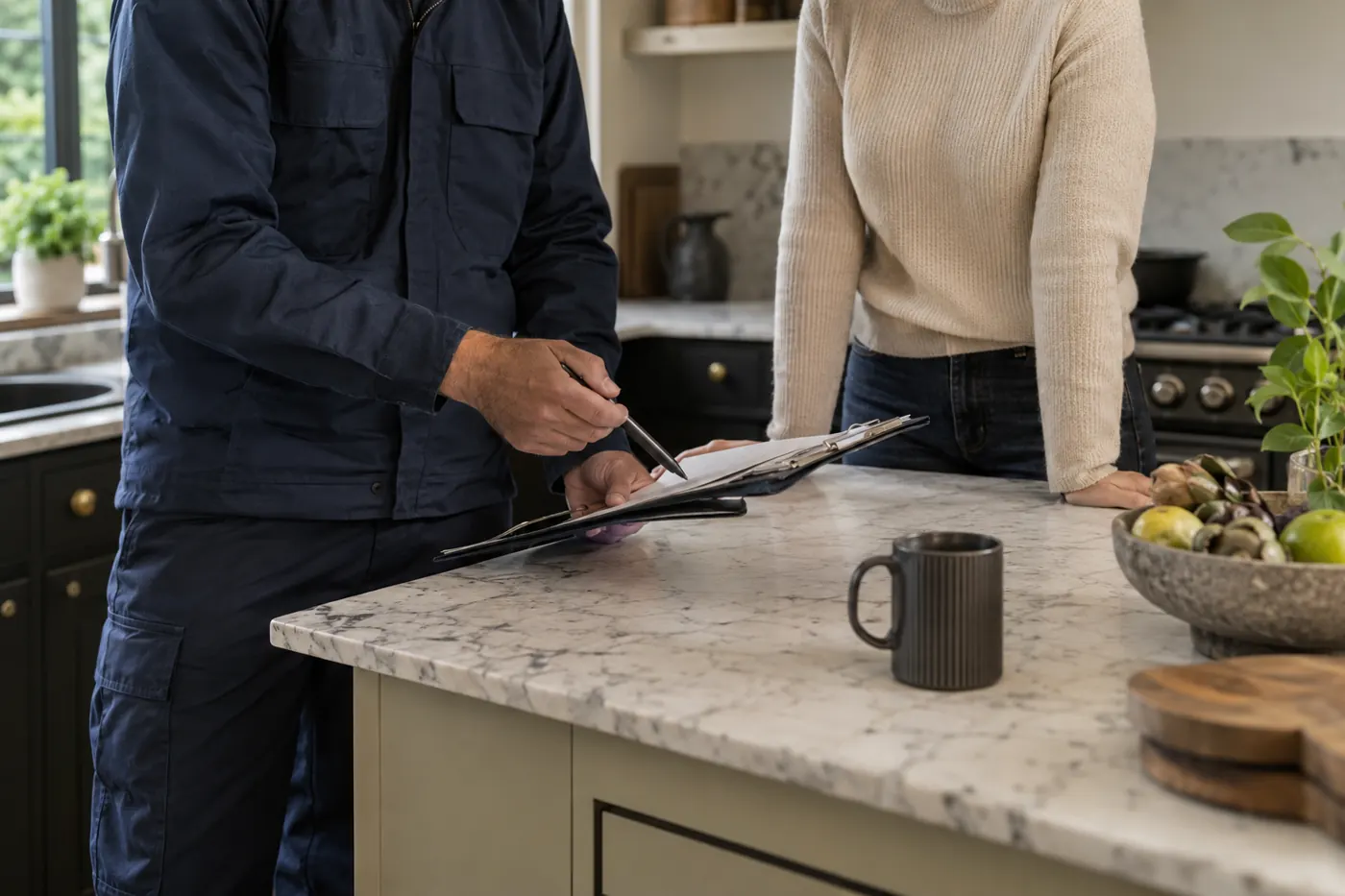
Technician discussing inspection notes at a kitchen island
Practical aftercare

Care that continues
after the visit.

Understand what to watch for after treatment, how to prepare for any follow-up visit and which changes can help keep pests out.

Ask the technician about cleaning, access and proofing for your property. Advice should fit the pest, the treatment and the way you use the space.

Advice / The property journal

Useful information from the room side.

You do not need to enter a void to make a useful report.

Explore guides & articles ↗
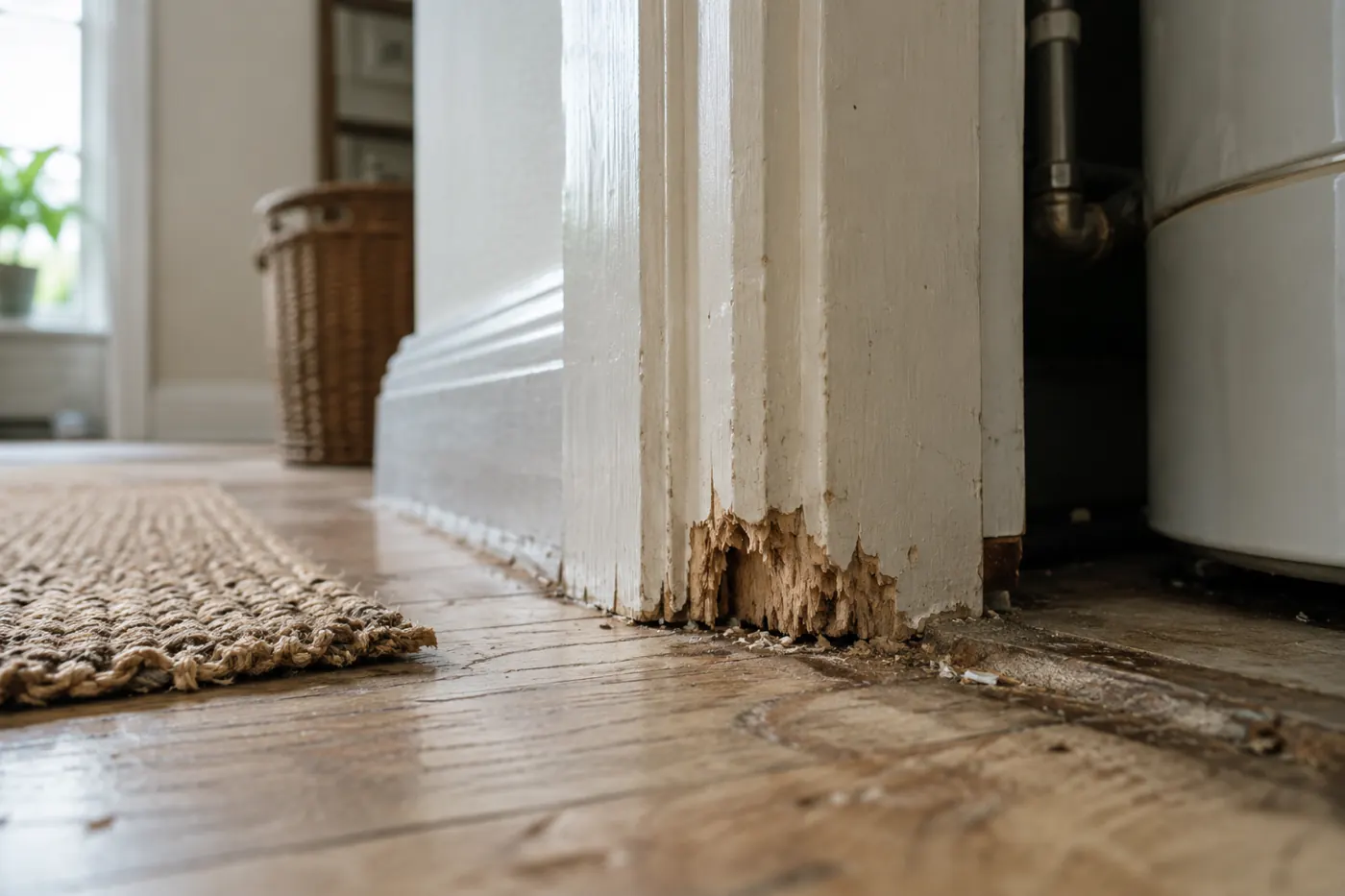
Rodent gnaw marks on a timber doorway thresholdRodent evidence

Visible position

Photograph accessible floor-edge signs and record their dates.

Explore the topic ↗
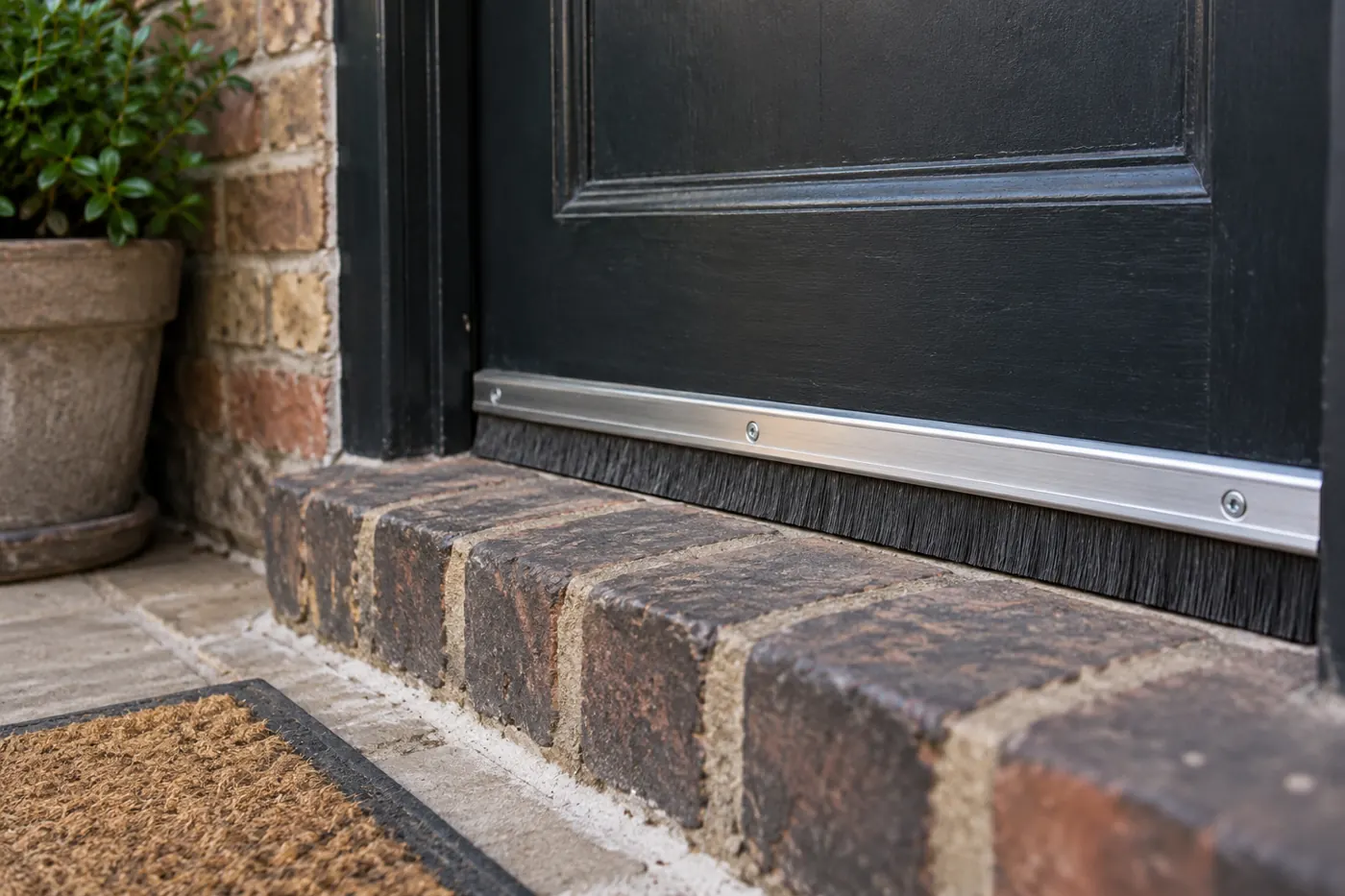
Brush seal fitted beneath a back doorProperty protection

Existing access

Describe a hatch and any maintenance information without opening unsafe spaces.

Explore the topic ↗
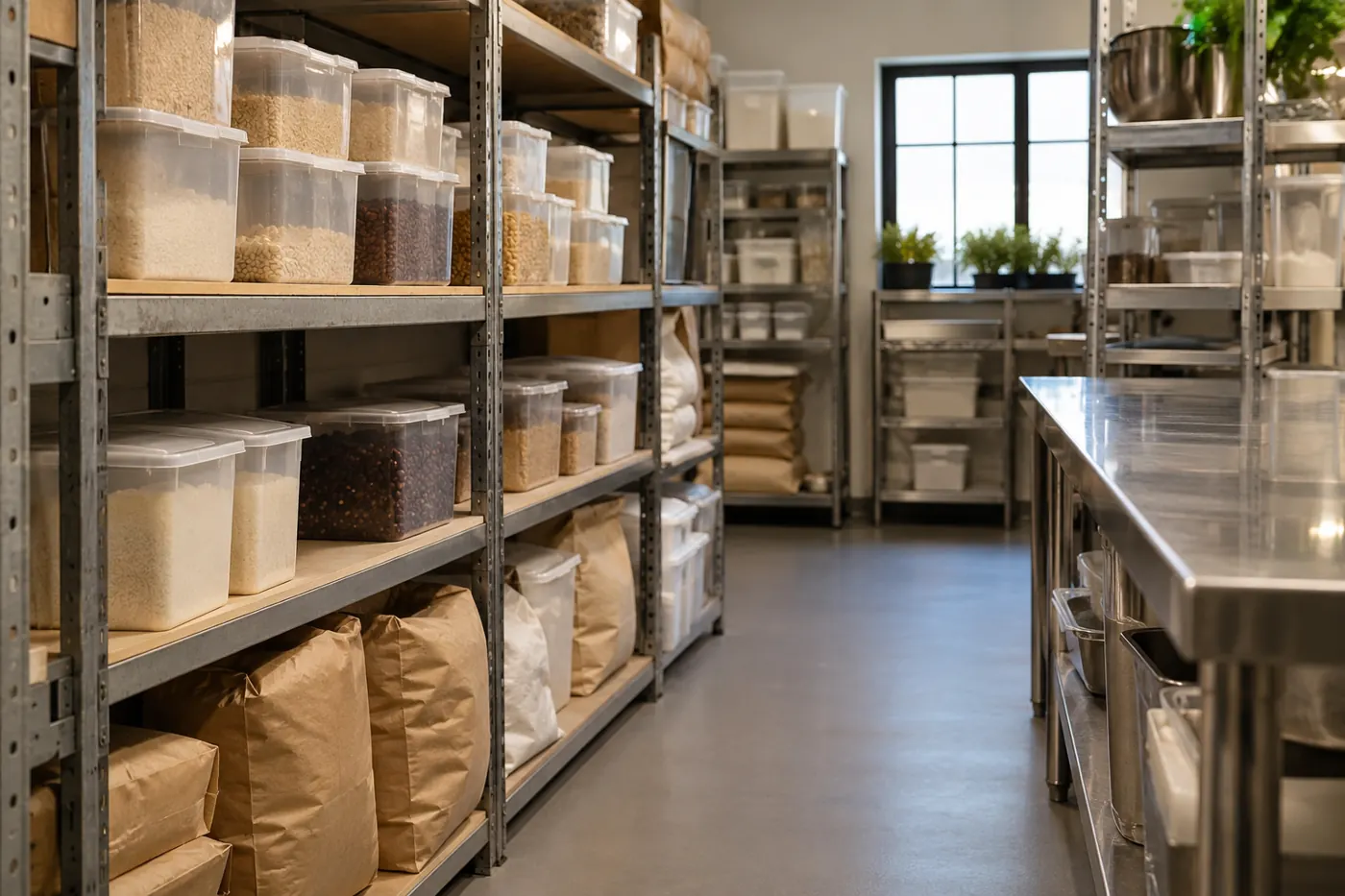
Organised storage shelving in a catering premisesFor businesses

Authority

Name who approves alterations and who can arrange qualified access.

Explore the topic ↗
Useful answers / Before your visit

Questions about a concealed floor space.

Plan the access as carefully as the treatment.

London kitchen window and clear work surface
Signs below the room?

Begin with what is safely visible from the occupied space.

020 4571 7639 ↗
Should I enter the void?

No. Explain the concealed space and accessible evidence when arranging the inspection.

Should I cut an inspection opening?

Do not alter the floor yourself for a pest visit. Structural access may need separate qualified work and approval.

Does scratching identify the animal?

No. Keep the sound’s position and timing alongside any visible evidence for assessment.

What existing information helps?

Provide details of an existing hatch, floor construction or relevant maintenance record if available.

Can every floor opening be sealed?

A suspected route needs assessment. Necessary ventilation and future maintenance access must remain functional.

Who arranges additional access?

Clarify the owner’s or maintenance team’s authority and whether a qualified contractor is needed before the appointment.

London + M25 / Homes & businesses

Start with the safely visible evidence.

Explain the floor involved and the access available.

Share your Brentford postcode