London + M25 pest control

Pest Control Edgware

An unexplained smell needs a useful location record, with any visible pest evidence reported separately.

  • Record where and when the odour appears
  • Keep maintenance findings available
  • Describe actual pest signs without guessing the source
Call 020 4571 7639 ↗Explore treatments ↓
Gloved hands fitting a door threshold seal
REQUEST SAME-DAY RESPONSELondon + M25
Homes / Businesses
Small signs. A closer look.
Understanding your pest problem

The smell is a report, not a pest name.

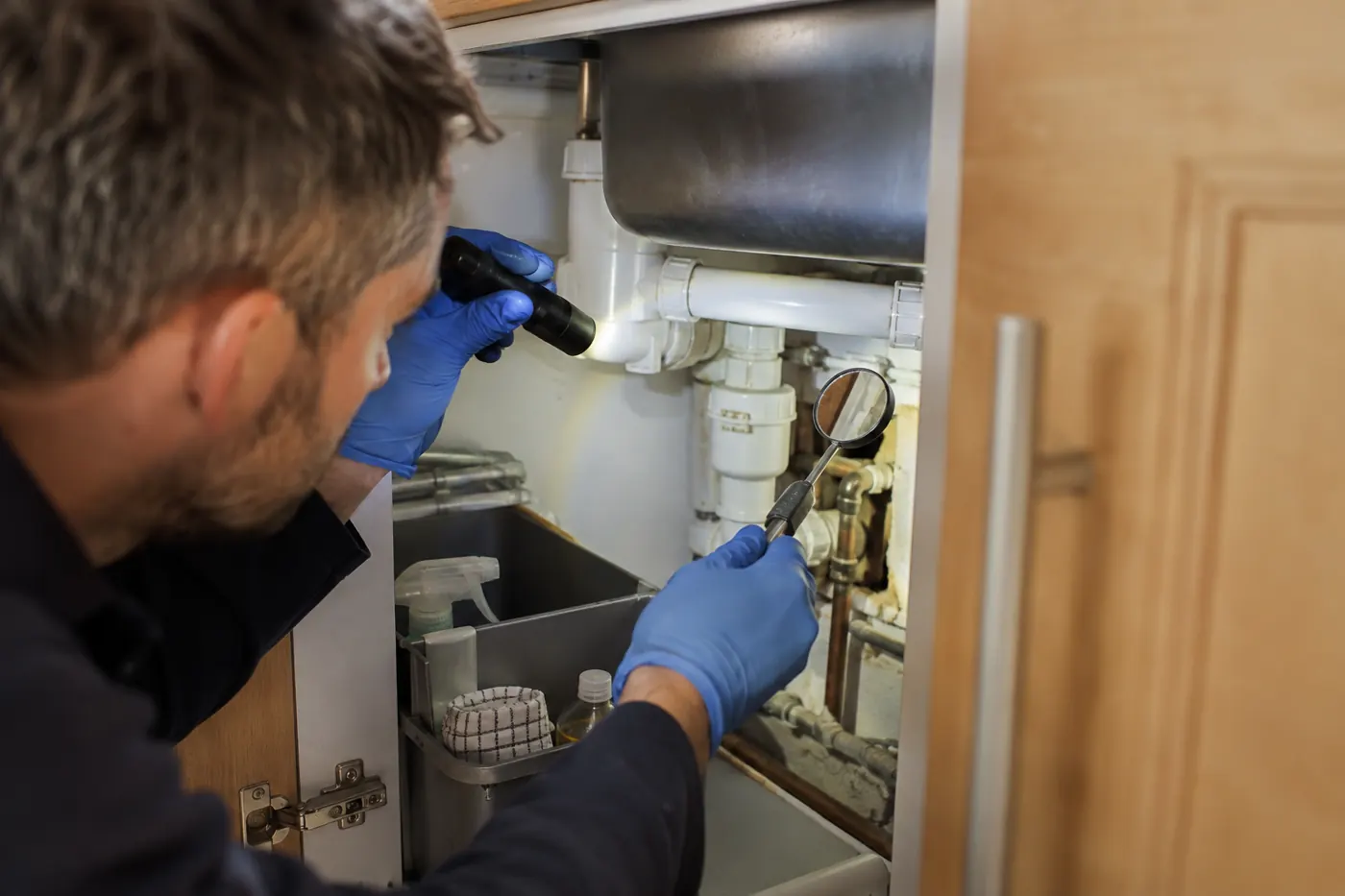
Inspection of pipe entry points beneath a kitchen sinkInspection / Entry points / Prevention

If you notice an unexplained odour in a cupboard, room or service area, describe where it is strongest and when you first noticed it. Include visible insects, suspected droppings or other relevant signs as separate observations. Pest control in Edgware can assess pest evidence, but the smell alone cannot establish which animal is involved or whether the source needs pest work at all.

Tell us about maintenance already arranged and what the contact actually found. A leaking connection, a waste problem and an inaccessible space need different questions; do not turn a suggested explanation into a confirmed cause. Avoid lifting floors, removing electrical covers or opening concealed service spaces to trace the odour. Explain the access limit so any relevant check can be planned safely with the appropriate person.

Barnet describes Edgware as a town centre serving homes, shops and other activity. A flat above a business and an individual house still need a room-specific account. Our rat assessment considers relevant rodent signs, while mouse inspection can examine evidence around food and accessible routes. State whether the odour and the visible finding are in the same place or simply occurred around the same time.

Insects noticed nearby require identification too. Our cockroach service can consider suitable kitchen findings, but a smell does not identify a cockroach infestation. Keep a dated record of changes following cleaning, waste removal or maintenance. If a relevant physical opening is found, pest proofing can be discussed without covering an unresolved service fault. The useful next step is to connect observed evidence with the right inspection and retain what each contact established, rather than choosing a product to mask the smell and losing the opportunity to locate the underlying issue.

Treatments / Built around your property

Separate the observations before choosing work.

Odour, pest signs and a building fault can be connected, but the evidence needs to show how.

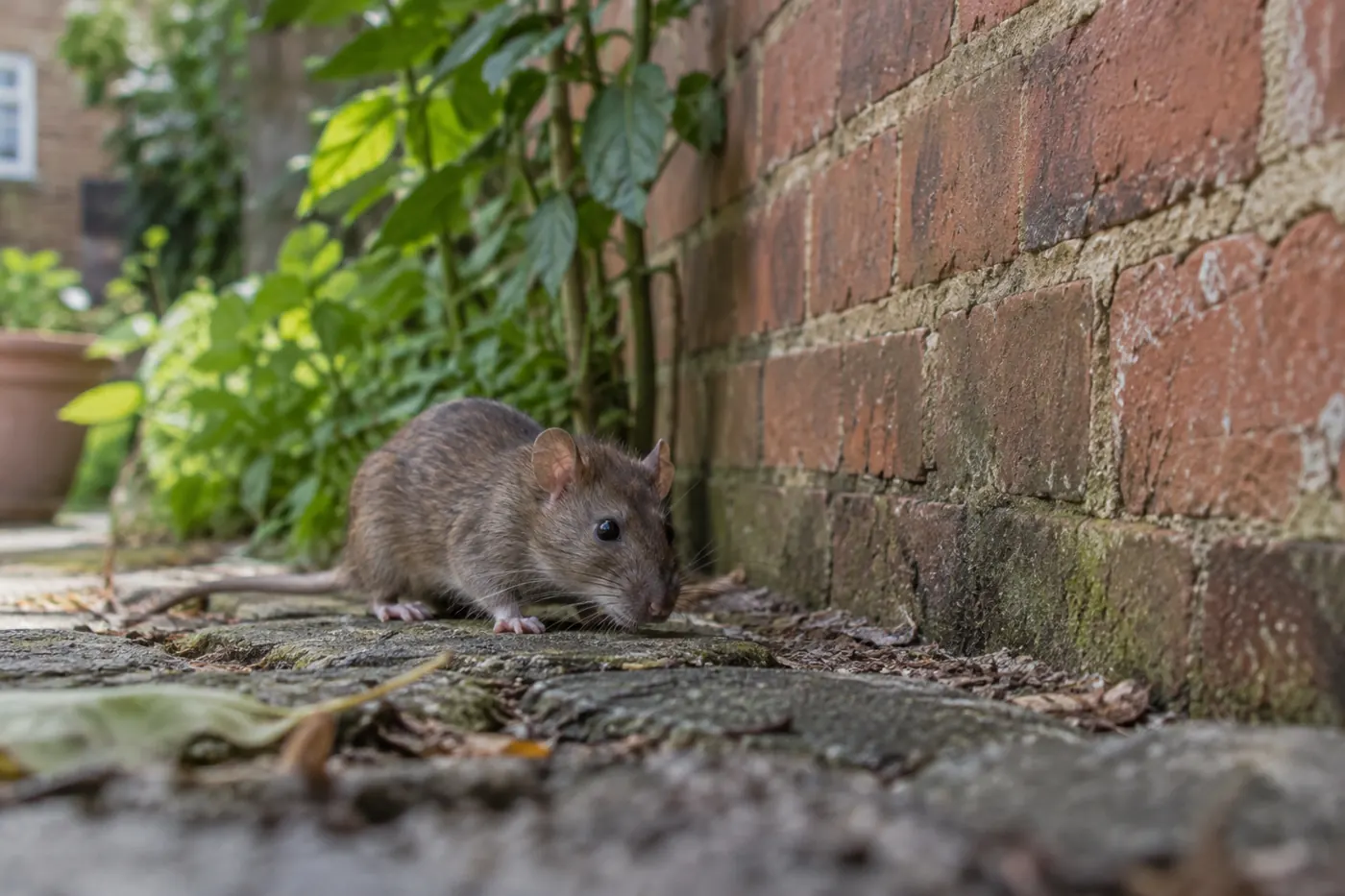
Brown rat beside a brick wall at a London propertyRodent inspection
Rodents / Rat & mouse control

Rodent evidence near the affected place.

Record suspected droppings, gnawing or an actual animal sighting without handling it. Give the location separately from where the odour is strongest.

Explain whether food damage or fresh signs appear in adjoining rooms. An inspection can then consider relevant routes rather than follow the smell alone.

Keep the assessment specific

Treatment and monitoring should be based on the signs found. Do not assume an odour identifies an inaccessible animal or establishes what removal work is available.

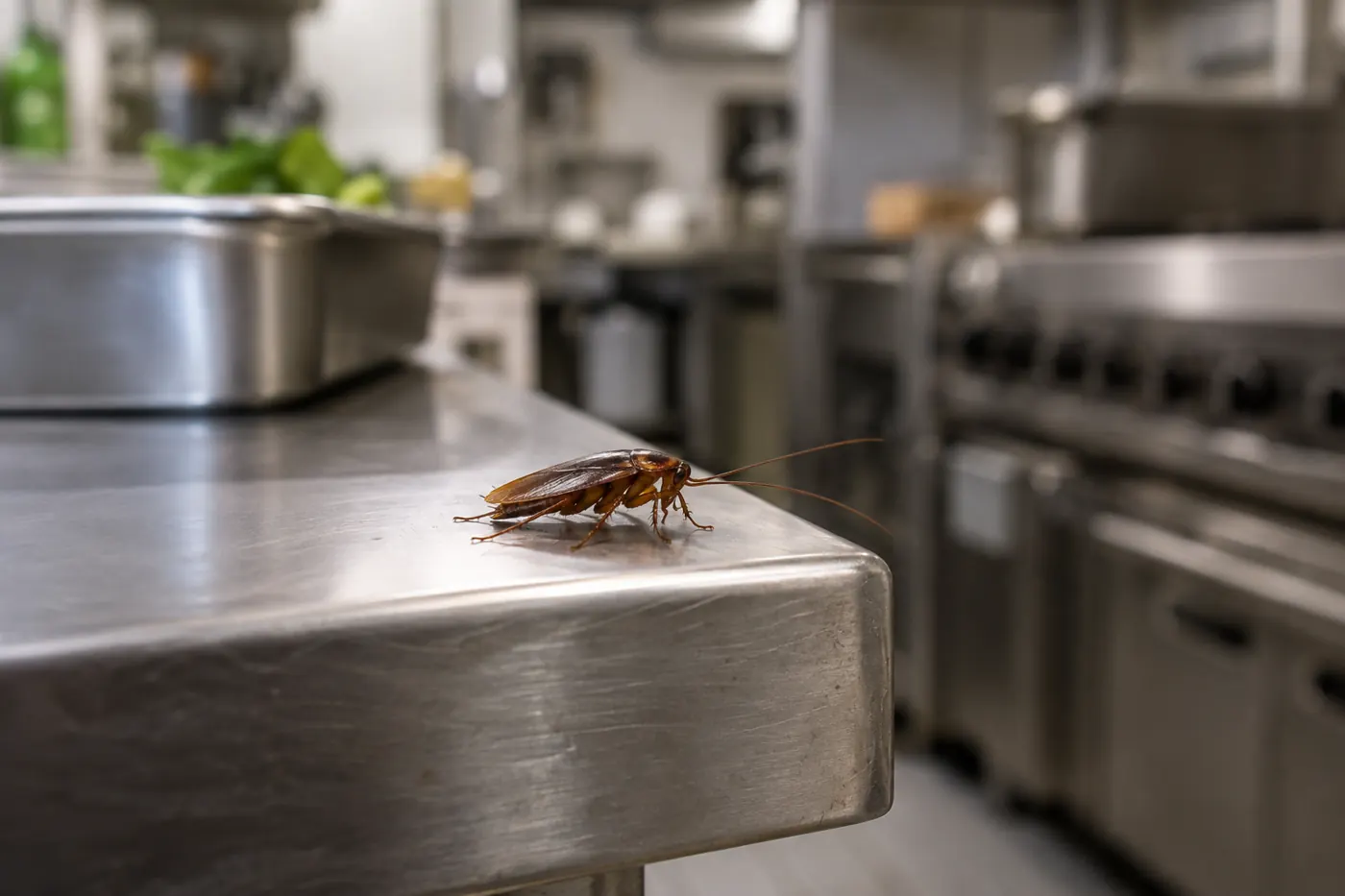
Cockroach at the edge of a commercial kitchen work surfaceKitchen inspection
Insects / Targeted treatments

Insects need their own identification.

Photograph accessible insects safely and describe their original surface. Tell us if they are confined to the odour area or also appear around food equipment.

Avoid adding sprays into service gaps or hidden spaces. The actual species and accessible treatment area need consideration first.

Share the sequence of changes

Record when insects appeared relative to cleaning or maintenance. This can help focus the inspection without claiming the event caused the activity.

Our commercial service can discuss relevant working areas if the evidence belongs to a business premises.

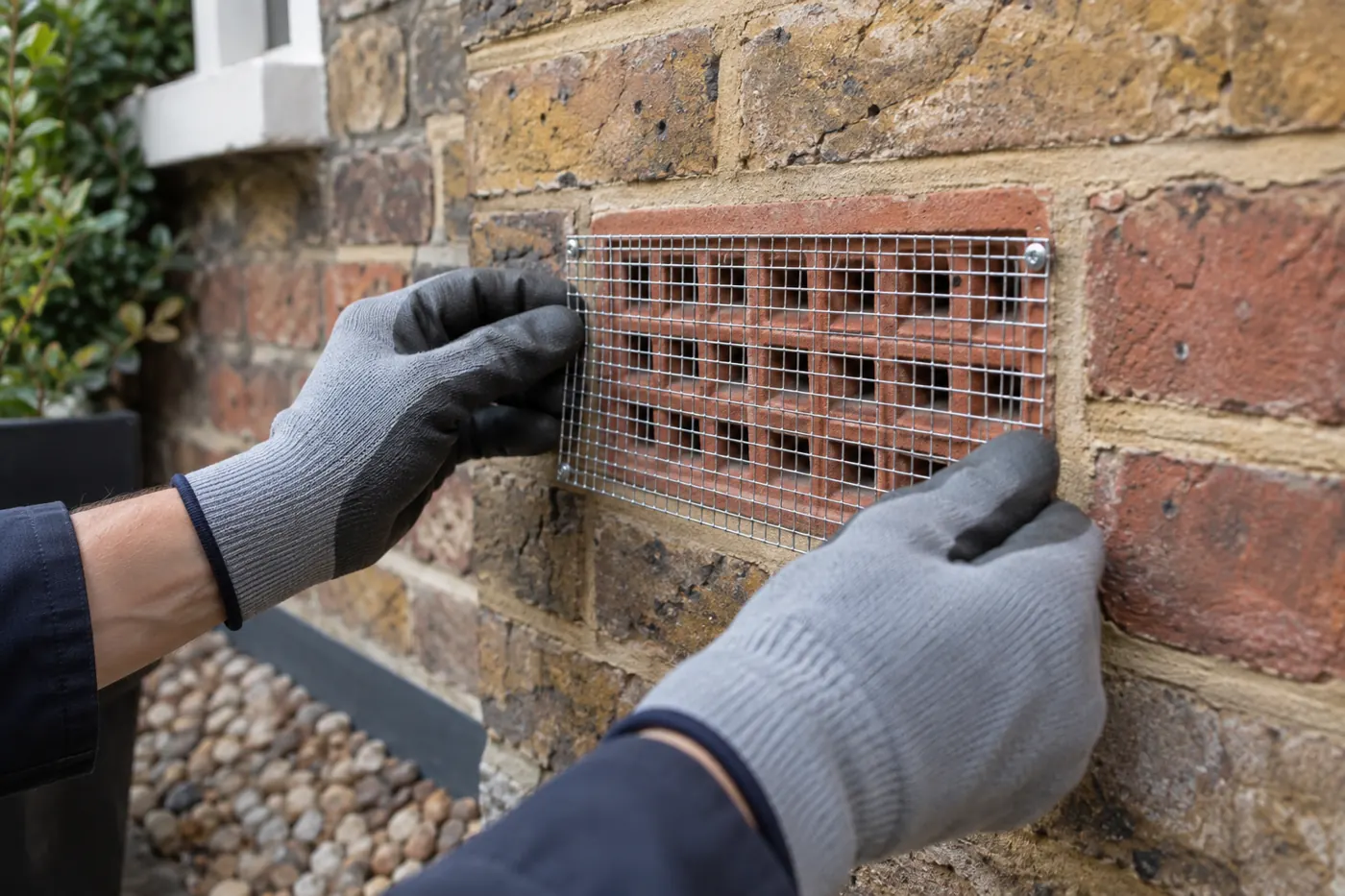
Gloved hands fitting protective mesh to an external air brickEntry points & prevention
Protection / Pest proofing

Do not seal an unresolved service problem.

A suitable proofing repair should address an identified pest route while maintaining access, drainage and ventilation.

If a maintenance contact has found a fault, retain the specific finding and agreed repair. Pest work should not obscure that remaining task.

Keep responsibility clear

Ask who will prepare safe access and who will investigate the unresolved building issue. Do not remove fixed covers yourself.

Start with what you have noticed

Record the outcome of each check.

Date what changed after the work and any fresh signs that remain. This is more useful than an undated statement that the smell comes and goes.

Call 020 4571 7639 ↗
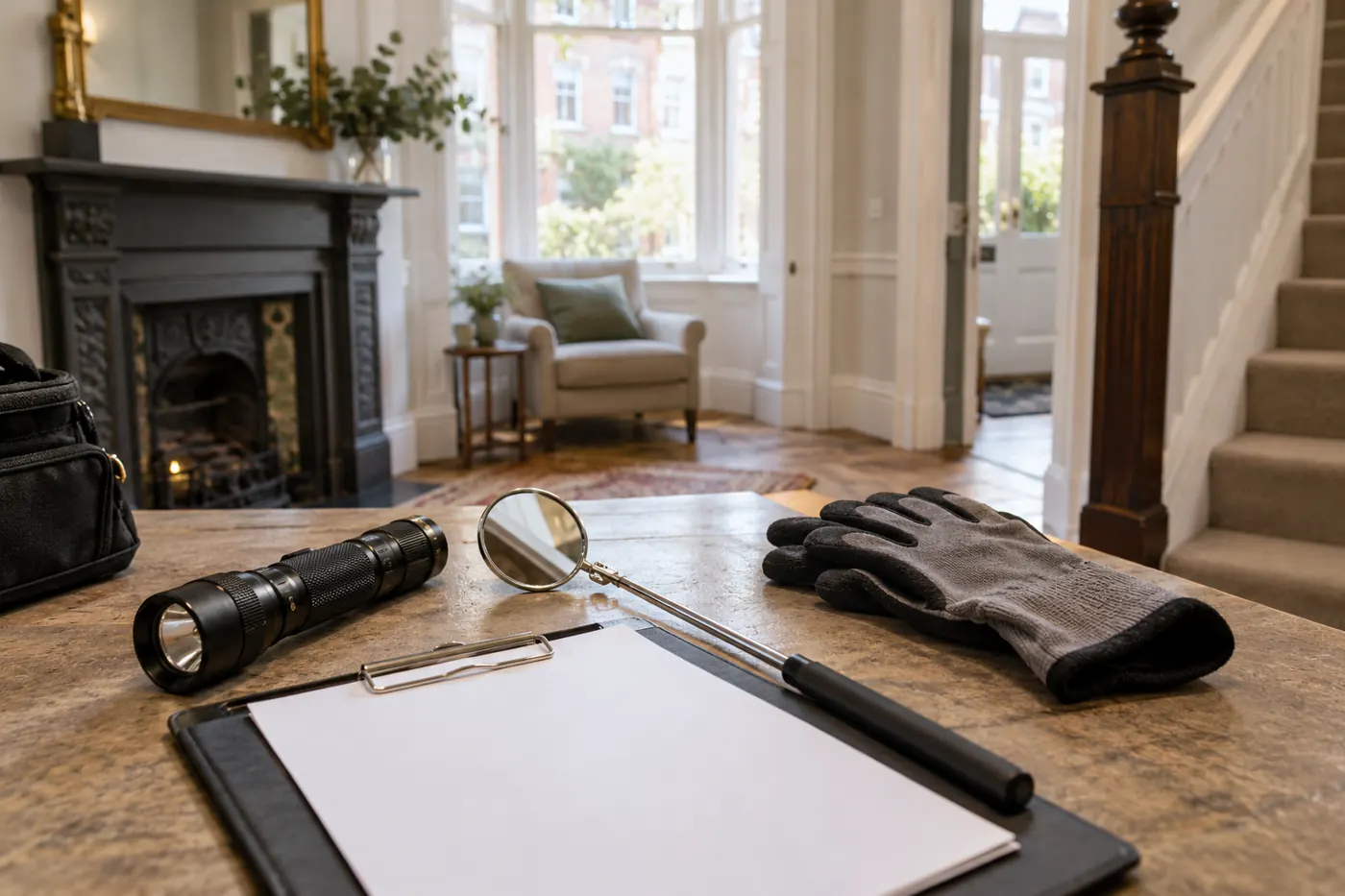
Torch, mirror and gloves prepared for a pest inspection
The diagnostic sequence

Location first. Evidence alongside it.

ODOUR POSITIONIdentify
→
VISIBLE SIGNSTrace
→
MAINTENANCE RESULTTreat
→
NEXT CHECKPrevent
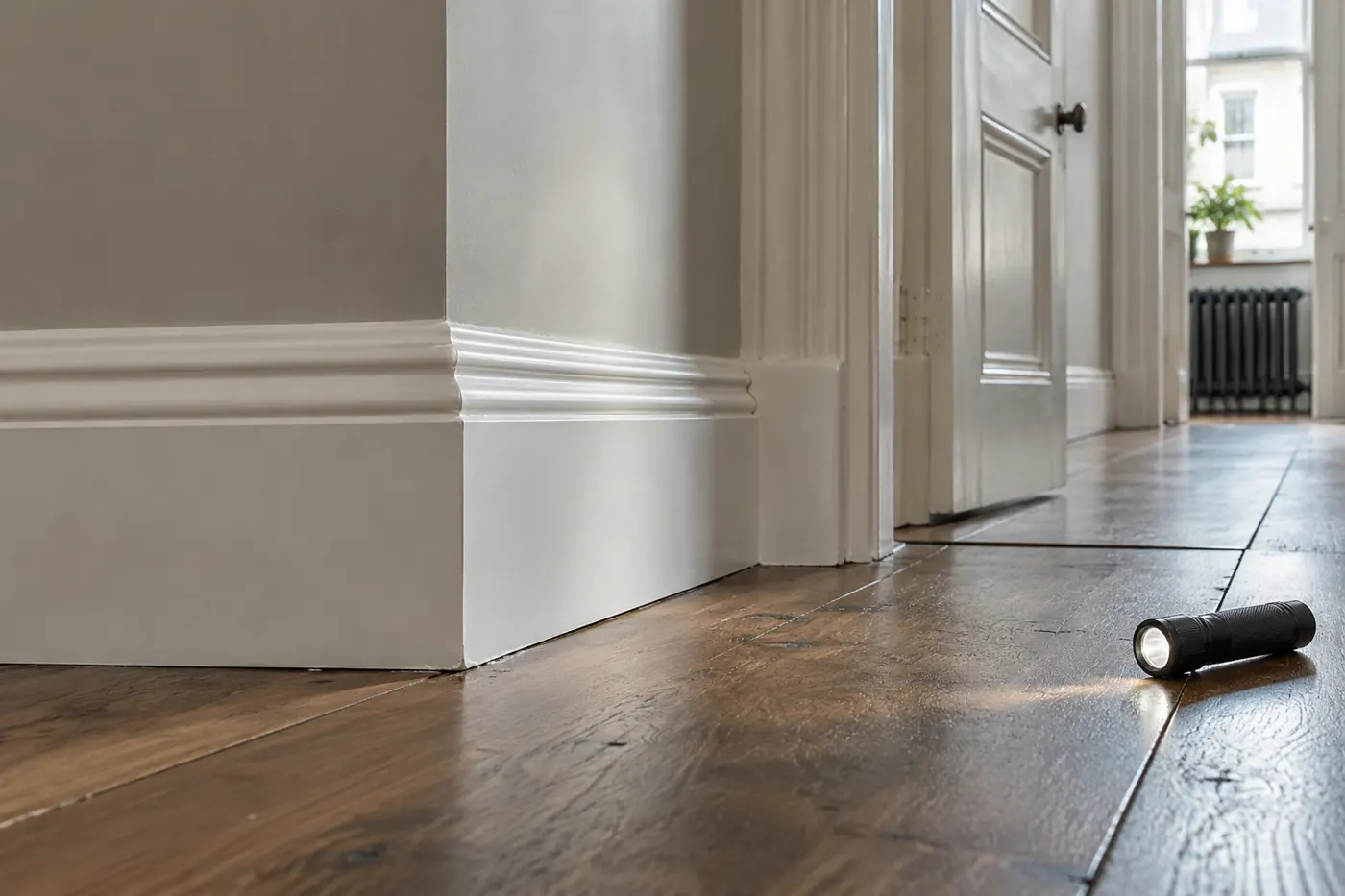
Sealed skirting corner and inspection torch in a period hallway
Property protection / Pest proofing

A suggested source remains a suggestion until checked.

If someone has said the odour might be from a drain, a concealed space or an animal, label that as their suggestion unless they inspected and established it. Keep the actual result of the visit separate.

This prevents several contacts from repeating work around an assumed cause. A clear note of what was accessible, what was found and what remains unresolved makes the next inspection more useful.

Pest proofing, explained ↗
Domestic & commercial pest control

Different spaces need different contacts.

Explain the affected room and any evidence beyond the odour itself.

London apartment living room with a bay window
The spaces you live in

Home cupboards

Describe visible signs and the accessible surroundings. Do not dismantle fitted units to pursue the smell.

Discuss your property ↗
Independent restaurant kitchen with stainless steel work surfaces
The spaces you serve in

Flats above businesses

Locate the finding within your own premises and keep another occupier’s account separate.

Discuss your property ↗
Entrance to a London rental property with a red brick facade
The spaces you manage

Shared service areas

The responsible building contact can explain access and maintenance work. Record your own observations accurately.

Discuss your property ↗
Modern office kitchenette and breakout area
The spaces you work in

Working premises

Give the specific store, preparation space or staff area involved, with retained evidence and relevant maintenance results.

Discuss your property ↗
London & the M25 / Our service area

Give the room, not only the district.

The full address and original finding location help define the relevant visit.

For nearby premises see Harrow or Enfield. Use the actual property address when discussing attendance.

Homes & flatsLandlords & rental propertiesBusinesses & commercial premises
Discuss your postcode ↗020 4571 7639
Explore the areaOpen full map ↗
Clear information / A quote for your situation

Ask what the proposed check can establish.

Describe the odour separately from visible pest evidence and any confirmed maintenance fault.

Discuss pricing · 020 4571 7639 ↗
Preparing a treatment quote beside inspection equipment

A defined inspection question

Evidence available

Actual signs and clear locations help focus pest inspection. An odour-only concern may leave the source unresolved.

Safe access

Tell us what can be viewed and which concealed areas need another contact to prepare access.

Further work

Ask what pest treatment or investigation is proposed and which maintenance tasks remain outside that scope.

Ask about your options before treatment
Technician discussing inspection notes at a kitchen island
Practical aftercare

Care that continues
after the visit.

Understand what to watch for after treatment, how to prepare for any follow-up visit and which changes can help keep pests out.

Ask the technician about cleaning, access and proofing for your property. Advice should fit the pest, the treatment and the way you use the space.

Advice / The property journal

Three facts for the next contact.

Keep the report grounded in what has actually been observed or established.

Explore guides & articles ↗
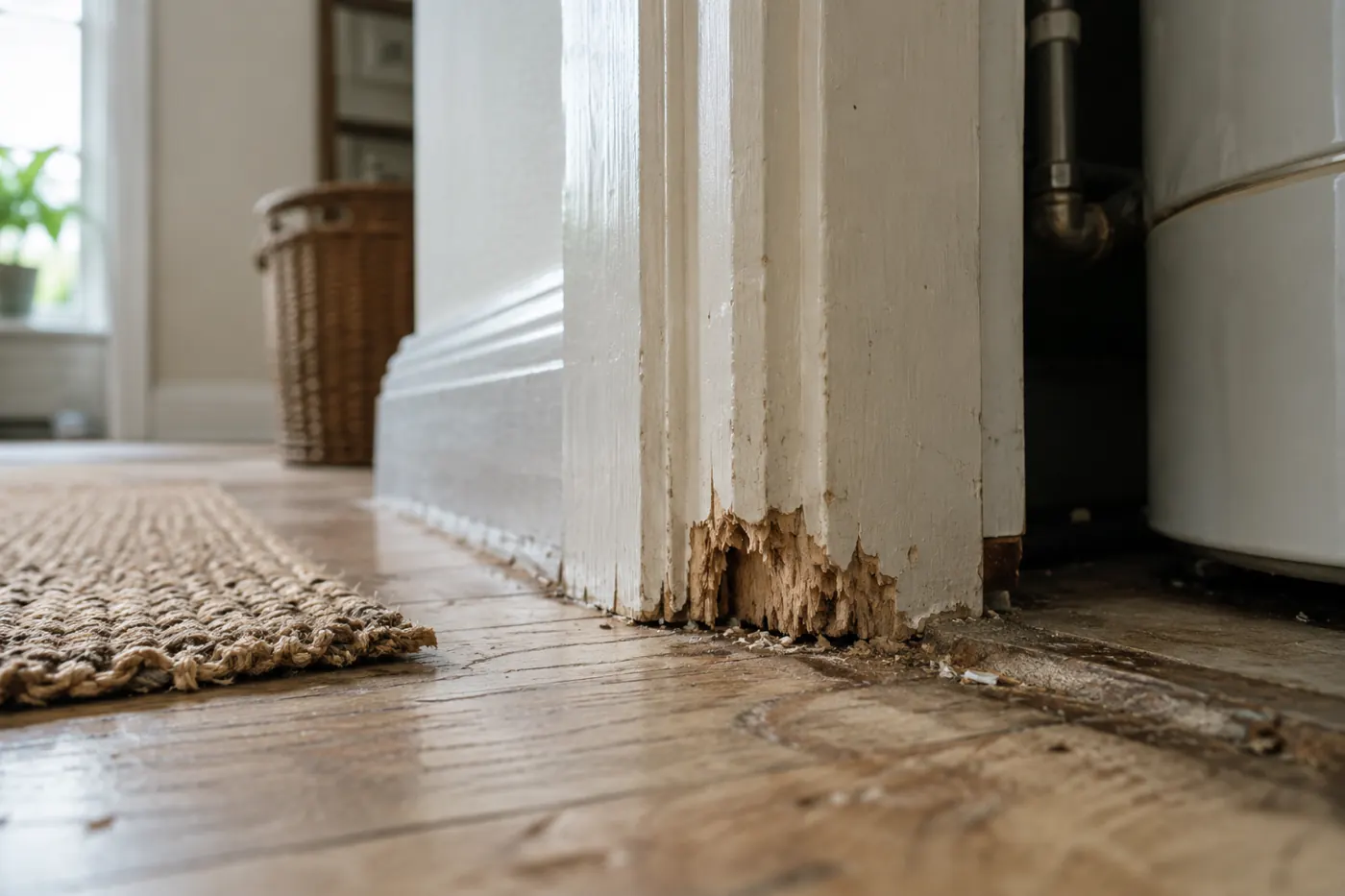
Rodent gnaw marks on a timber doorway thresholdRodent evidence

The strongest location

Name the room or surface and note when the odour is noticeable.

Explore the topic ↗
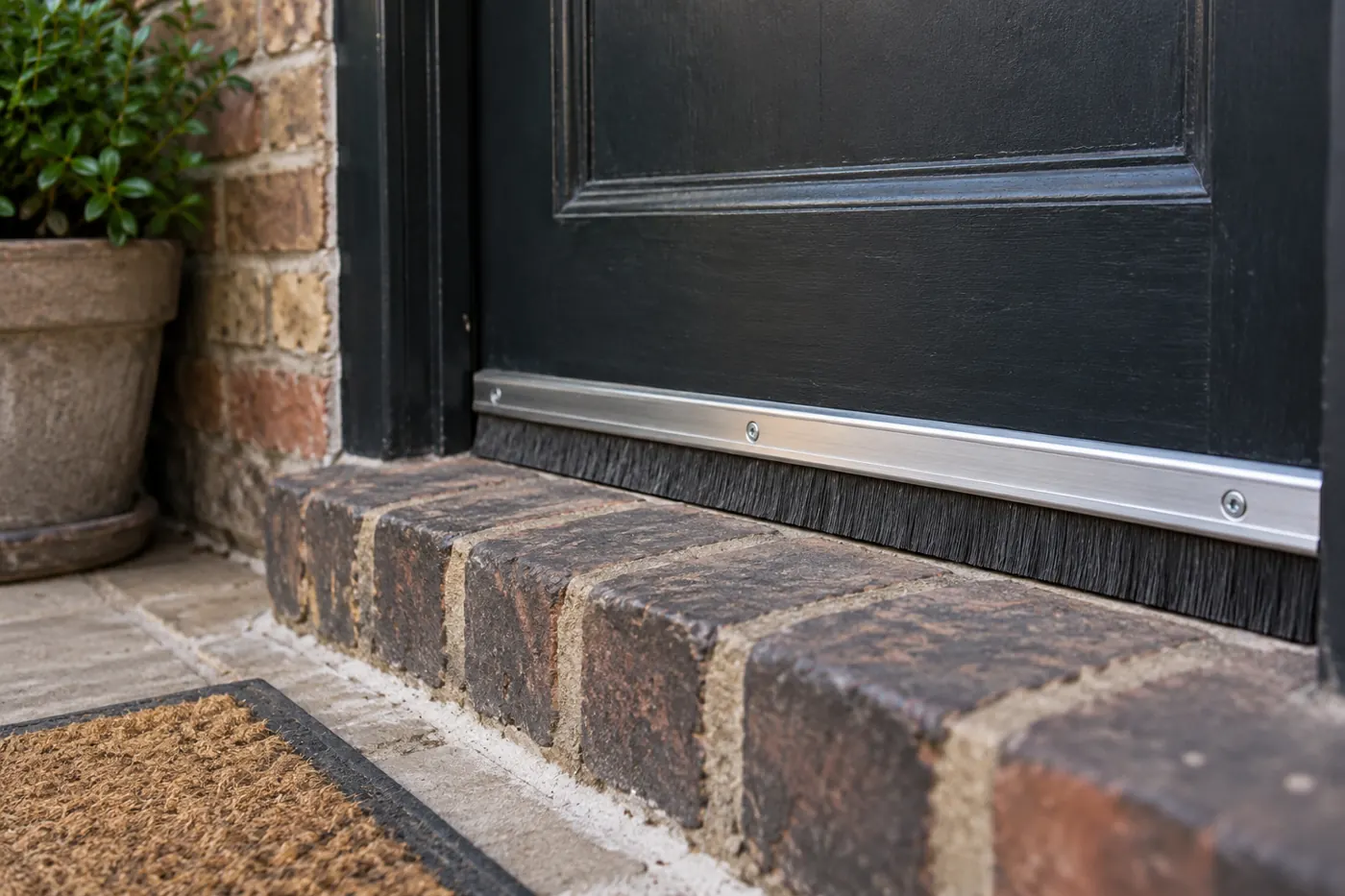
Brush seal fitted beneath a back doorProperty protection

The visible evidence

Retain safely taken photographs and dates separately from theories about the source.

Explore the topic ↗
Organised storage shelving in a catering premisesFor businesses

The previous check

Share what was inspected, what was found and what could not be accessed.

Explore the topic ↗
Useful answers / Before your visit

Odours and pest evidence.

Useful observations help choose a relevant check without diagnosing by smell.

London kitchen window and clear work surface
Describe the location clearly

Keep actual pest signs and maintenance findings with the dated report.

020 4571 7639 ↗
Can smell alone identify a pest?

No. It is a useful observation but does not establish the species or source. Visible evidence and appropriate inspection matter.

Should I lift the floor to investigate?

Do not open fixed or concealed spaces yourself. Explain the access limit and arrange the appropriate contact for safe preparation.

What if a plumber suggested a pest cause?

Retain the suggestion and the actual plumbing findings separately. Explain what was checked rather than treating an unconfirmed theory as established.

Are insects near the smell automatically cockroaches?

No. The insect needs identification. Photograph it safely in place and describe other relevant activity.

Can I seal a service gap to stop the smell?

Have the opening and any unresolved fault assessed first. Repairs must preserve essential services and suitable access.

What should I record after maintenance?

Keep the repair date and outcome, plus any fresh odour or pest observations at the original location. This gives the next contact an accurate sequence.

London + M25 / Homes & businesses

AN OBSERVATION. A CLEAR INSPECTION QUESTION.

Tell us where the odour and signs appear.

Location, dates and previous checks