London + M25 pest control

Pest Control Hampstead

Tiny insects around books need a closer look before the shelves are sprayed.

  • Photograph the insect where you found it
  • Explain damp paper and nearby water problems
  • Discuss identification before treating belongings
Call 020 4571 7639 ↗Explore treatments ↓
Mouse beside a kitchen plinth
REQUEST SAME-DAY RESPONSELondon + M25
Homes / Businesses
Small signs. A closer look.
Understanding your pest problem

The paper, the insect and the moisture.

Inspection of pipe entry points beneath a kitchen sinkInspection / Entry points / Prevention

An insect on a book is not enough information to choose treatment. Tell us whether it was crawling across the cover, inside a binding or on the shelf behind it. Describe what else you noticed: damp paper, a musty cupboard, a recent leak or several insects in the same place. Pest control in Hampstead starts with those details, so an inspection can consider the material and the room together.

BPCA describes booklice as very small insects that can feed on microscopic mould and organic material, including paper and cardboard. Some indoor species depend on moisture. That makes the condition around a shelf worth checking, but a tiny moving speck still needs identification. A photograph can show location and scale; it may not show the features needed to name the insect. Avoid squashing it into a valuable page or applying household insecticide to books.

Hampstead’s conservation area includes closely built village streets as well as other residential settings. A library room, a cupboard against an outside wall and a bookcase beside a bathroom have different surroundings. Explain the actual storage position, rather than assuming the age of the house explains the finding. Our pest prevention advice can sit alongside questions for the person responsible for leaks, ventilation or building repairs.

Other evidence needs its own assessment. Droppings beside stored paper should be reported to our mouse control team, while an insect in the kitchen can be discussed through cockroach inspection. Keep those findings separate in your notes. For delicate belongings, ask what must stay in place and what can safely be moved before clearing the shelf. Identification, moisture work and pest treatment are separate decisions that should support each other, with a clear record of what was found and what changes afterwards.

Treatments / Built around your property

Check the conditions around the finding.

Choose useful checks before applying products to paper or furniture.

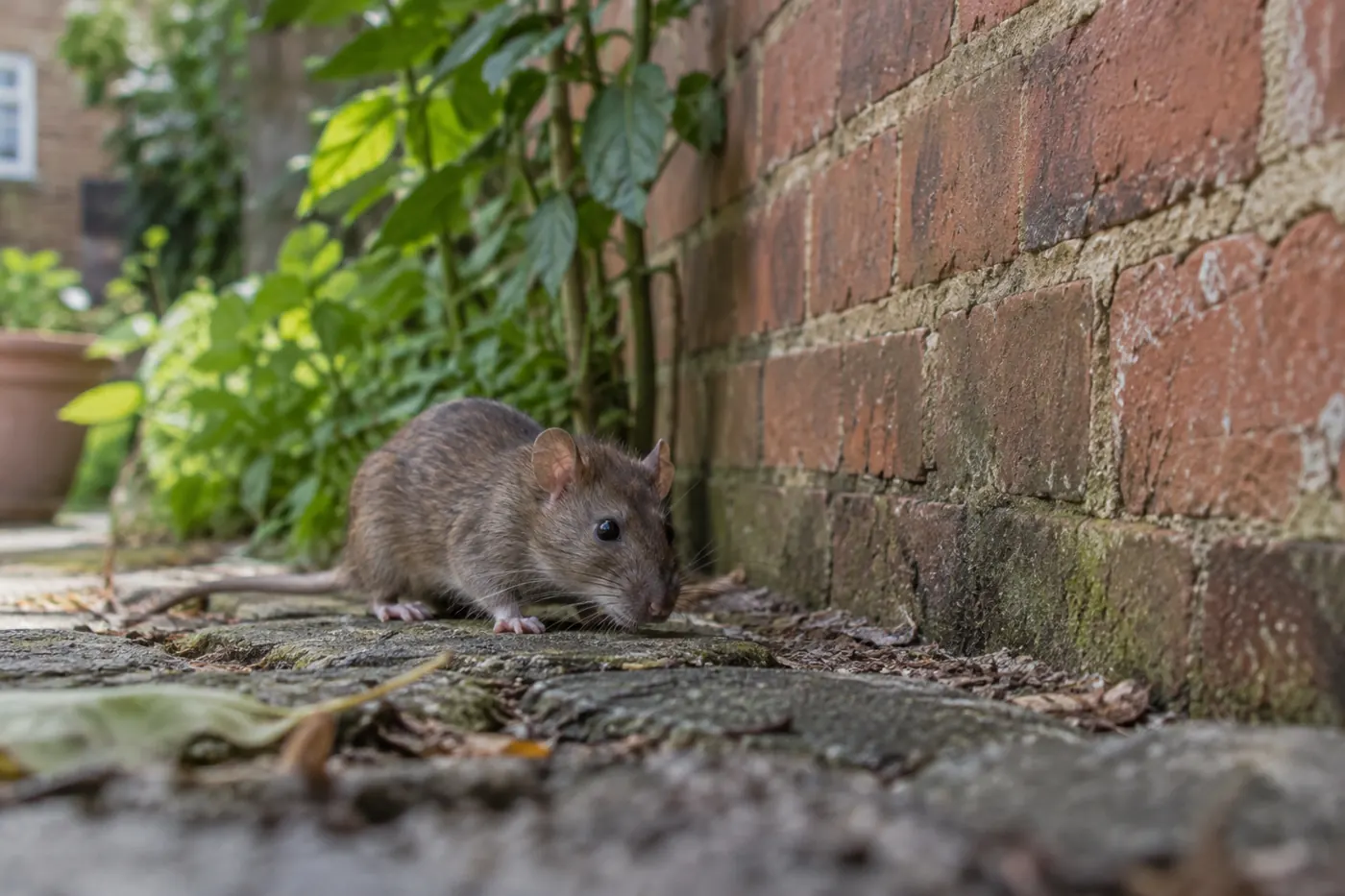
Brown rat beside a brick wall at a London propertyRodent inspection
Rodents / Rat & mouse control

Rodent evidence beside stored paper.

If you find gnawed corners or droppings, record the shelf and surrounding floor. Paper damage alone cannot establish which animal caused it.

Mention food stored in the room and openings behind fitted furniture. A rodent assessment can consider those details without treating the book collection itself as bait.

Keep the evidence located

Our rat assessment considers relevant signs and possible routes, with suitable monitoring and prevention discussed after the inspection.

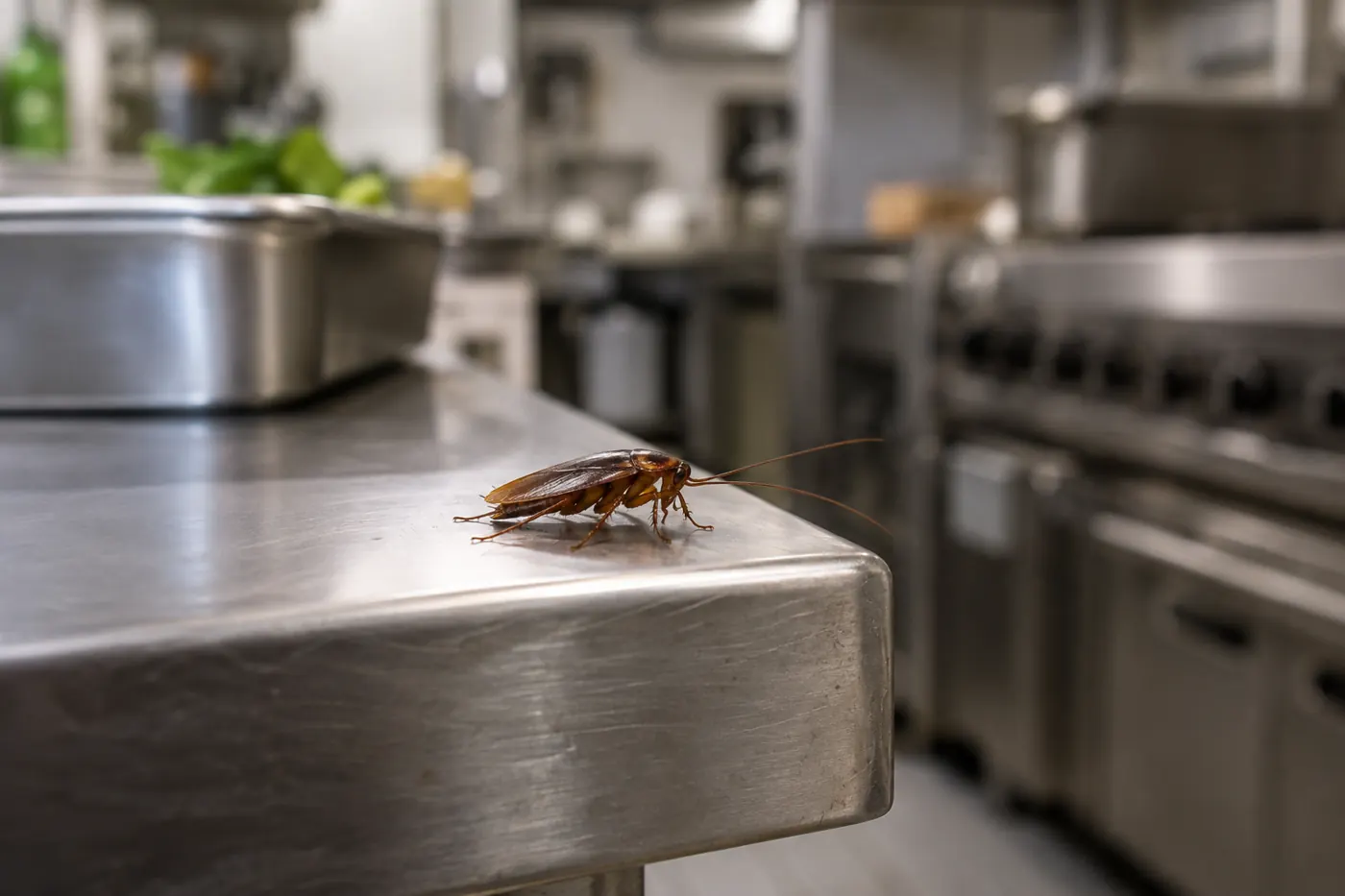
Cockroach at the edge of a commercial kitchen work surfaceKitchen inspection
Insects / Targeted treatments

Tiny insects need identification.

Describe size, movement and the exact surface. An insect on damp cardboard may call for a different discussion from insects around warm kitchen equipment.

Tell us if the material has stayed damp after a leak. Drying and repair questions may matter alongside any recommended pest work.

Keep sprays away from books

Ask for preparation advice before wrapping or moving the collection. Sealing damp material away can obscure its condition and does not resolve a leak.

Retain a useful photograph before ordinary cleaning. Valuable or fragile objects may need advice from their own care specialist.

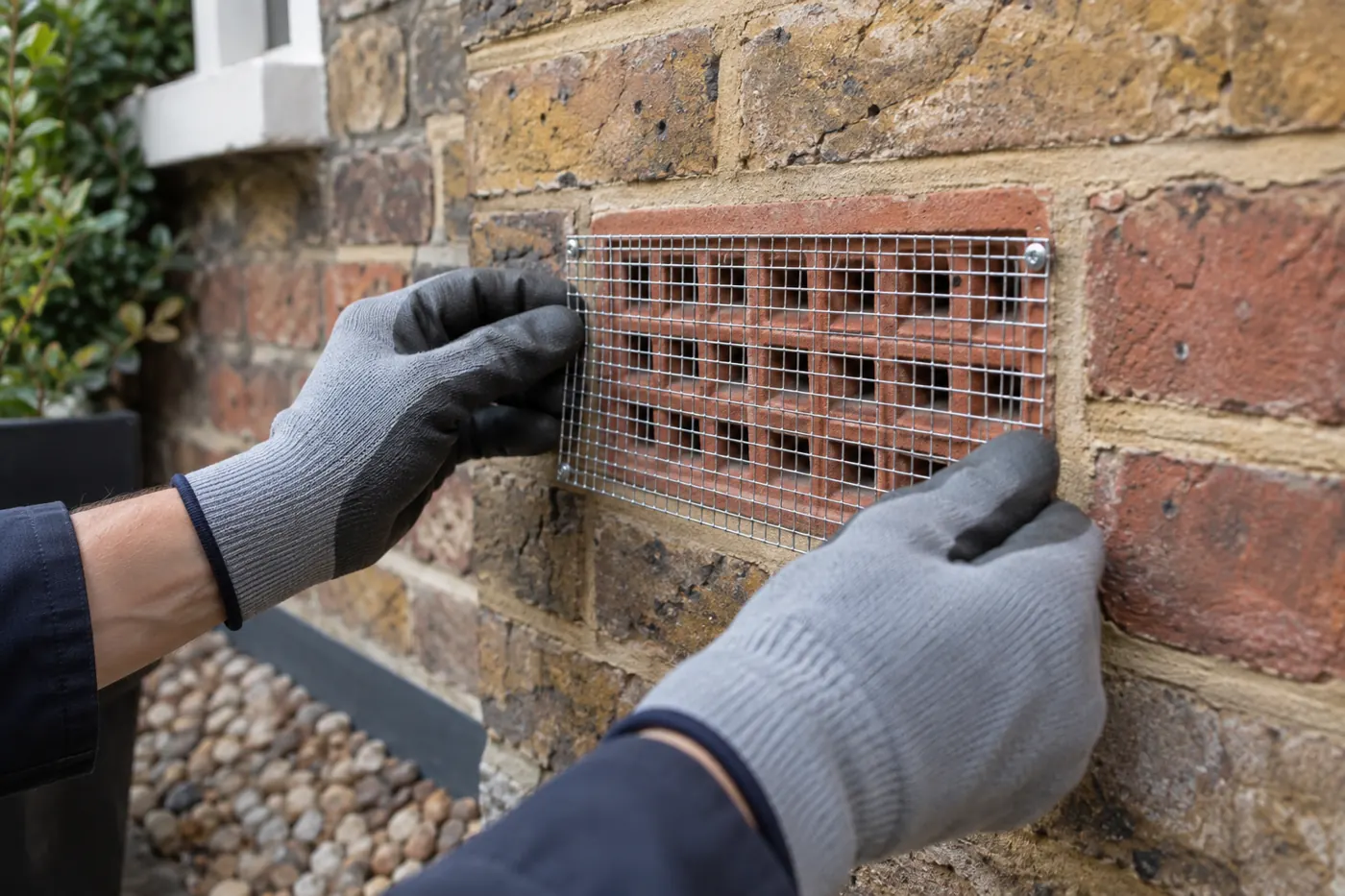
Gloved hands fitting protective mesh to an external air brickEntry points & prevention
Protection / Pest proofing

Prevention includes the surrounding room.

Check whether storage presses tightly against a wall and whether the responsible contact has investigated a known water problem.

Physical pest proofing should address an identified route. It should not block ventilation simply because insects were found nearby.

Separate the repair questions

Record who is handling moisture work, what has been checked and when the repair is expected. The pest contact needs accurate findings rather than a promised cure for damp.

Start with what you have noticed

Monitor the same shelf.

After agreed work, date fresh observations in the original location. Compare new findings without collecting unrelated insects from every room.

Call 020 4571 7639 ↗
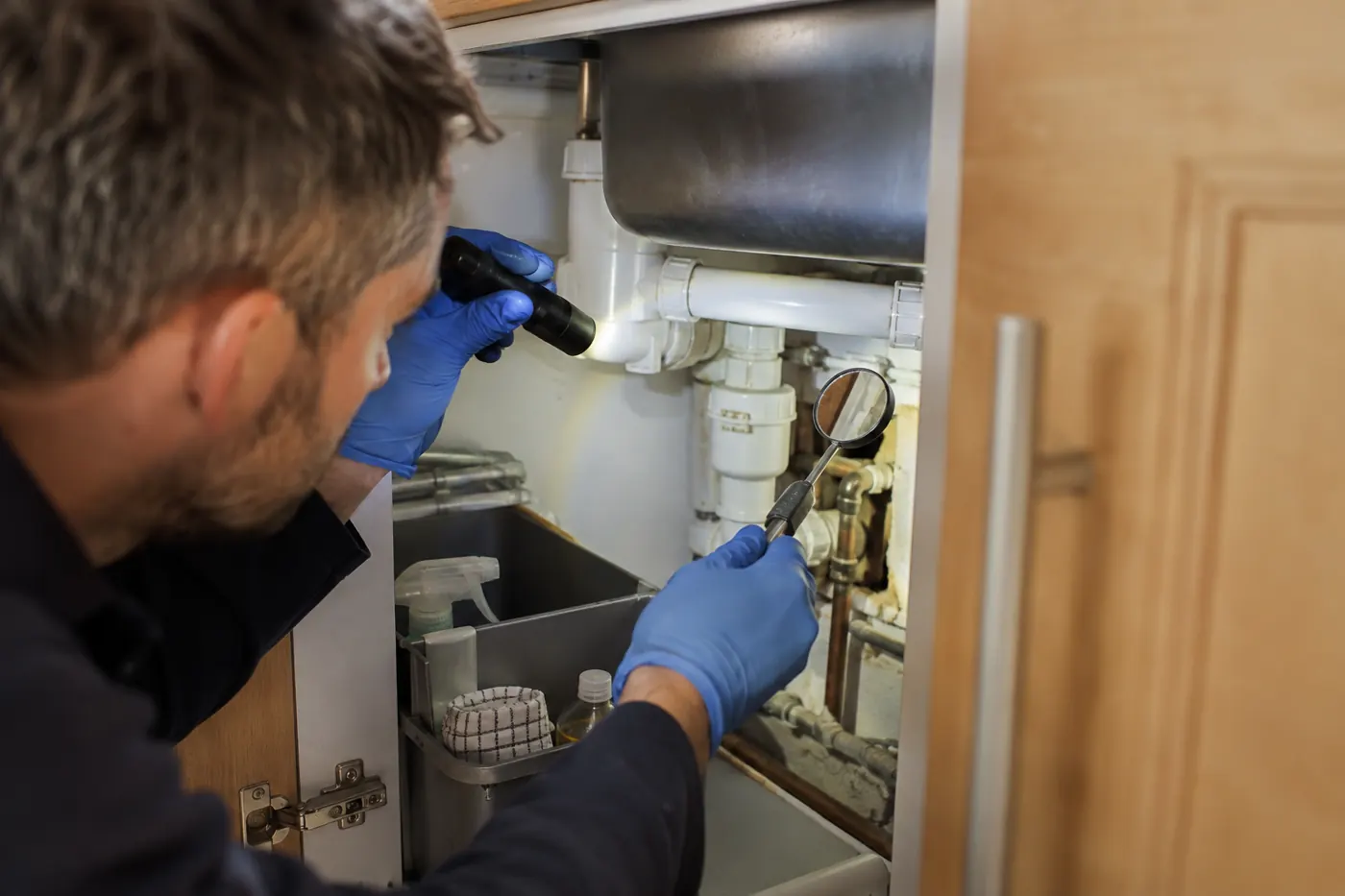
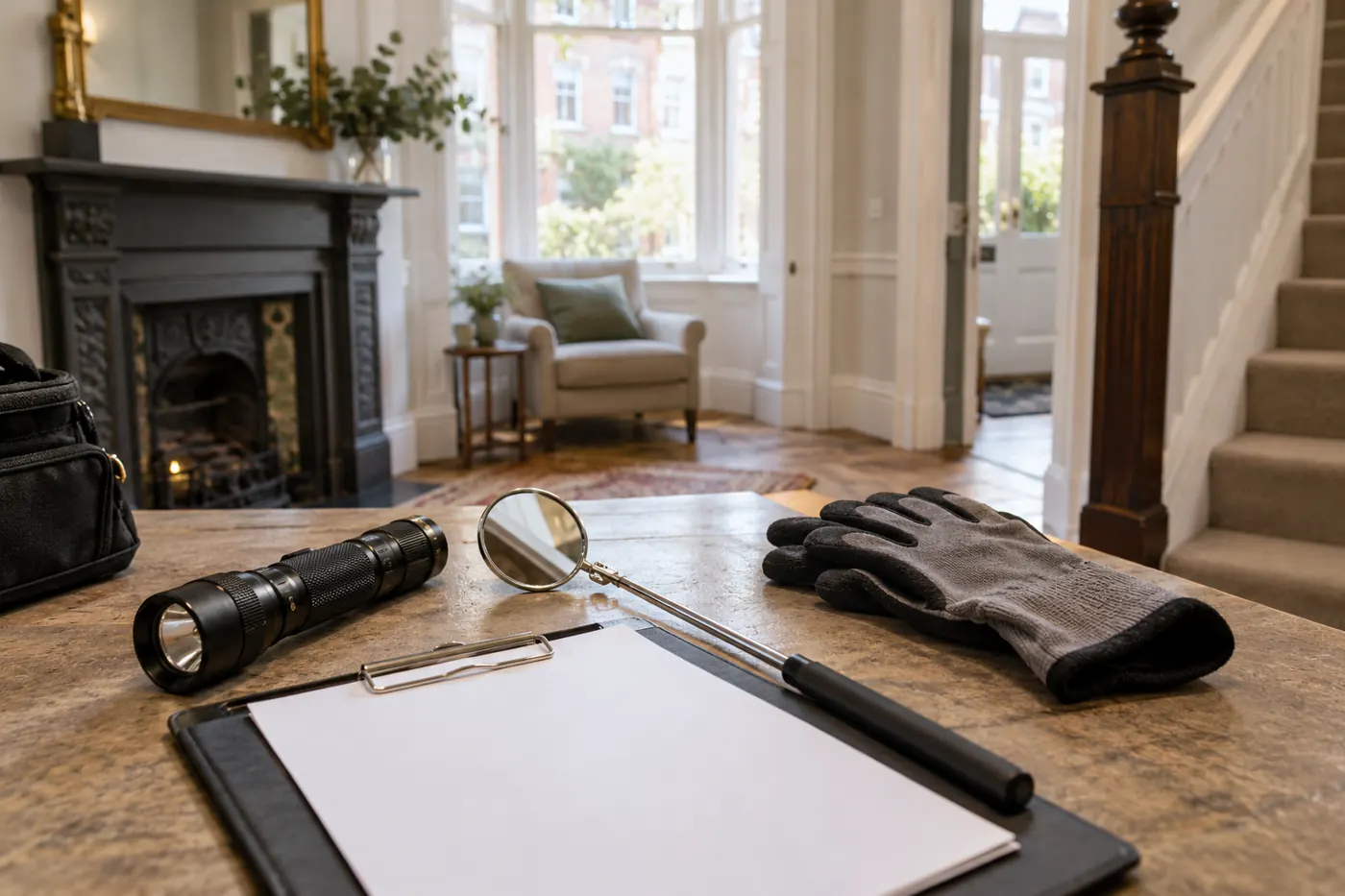
Torch, mirror and gloves prepared for a pest inspection
The diagnostic sequence

Look closely. Keep the context.

LOCATIONIdentify
→
MATERIALTrace
→
CONDITIONTreat
→
NEXT CHECKPrevent
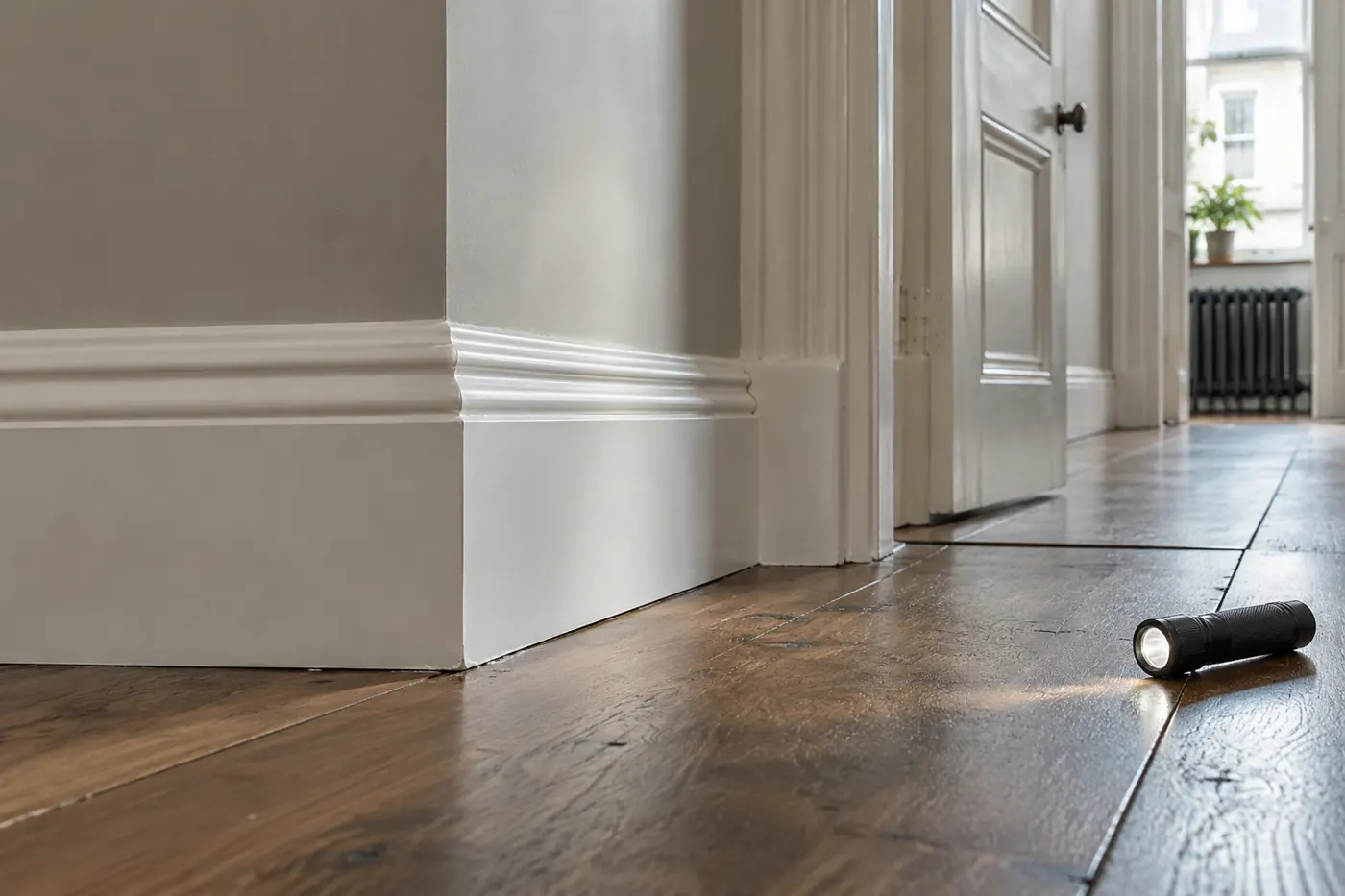
Sealed skirting corner and inspection torch in a period hallway
Property protection / Pest proofing

A dry-looking cover can hide a different condition behind it.

Describe the shelf back and nearby wall if they are visible without moving heavy furniture. Water marks or damaged finishes are useful facts for a maintenance report; do not pull away fitted units to investigate them yourself.

If specialist book care is already arranged, share its handling restrictions before the visit. Pest inspection should fit those limits, with a separate decision about any item that cannot be moved or cleaned normally.

Pest proofing, explained ↗
Domestic & commercial pest control

Books appear in many kinds of room.

Explain the storage and the room around it, not simply the number of shelves.

London apartment living room with a bay window
The spaces you live in

Home collections

Locate the affected shelf and any nearby source of moisture. Keep a dated record before clearing books away.

Discuss your property ↗
Independent restaurant kitchen with stainless steel work surfaces
The spaces you serve in

Study rooms

Mention food, paper piles and furniture against outside walls where these relate to the signs you have actually seen.

Discuss your property ↗
Entrance to a London rental property with a red brick facade
The spaces you manage

Shared homes

Agree who can describe the affected material and any recent leak. Other residents may have useful information about when it began.

Discuss your property ↗
London & the M25 / Our service area

Give the street and the storage location.

A Hampstead address still needs a specific room, floor and shelf in the report.

Use our Highgate advice for a property there, or the Camden Town page for premises further south. The address determines the visit location.

Homes & flatsLandlords & rental propertiesBusinesses & commercial premises
Discuss your postcode ↗020 4571 7639
Explore the areaOpen full map ↗
Clear information / A quote for your situation

Understand which work the quote covers.

Explain the finding, material care limits and any known damp problem when asking about inspection.

Discuss pricing · 020 4571 7639 ↗
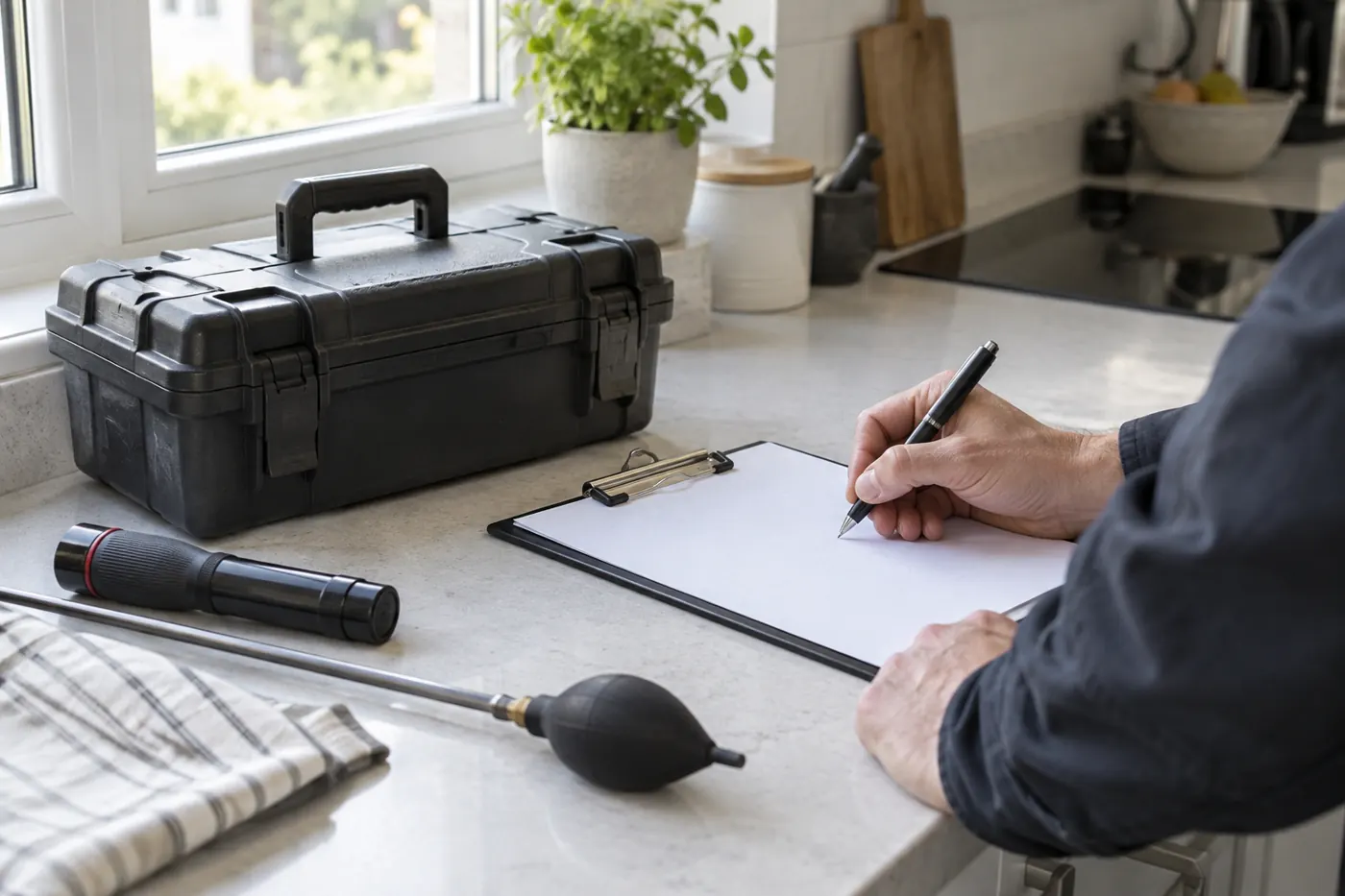
Preparing a treatment quote beside inspection equipment

Identification first

The evidence available

A clear insect photograph may help the first conversation, but some findings need a closer examination before treatment is chosen.

Belongings involved

Fragile paper and valuable bindings may need handling arrangements outside the pest visit. Ask about this before preparing the room.

Related maintenance

Check whether the proposal covers pest work only. Building repairs and specialist material care need their own agreed scope.

Ask about your options before treatment
Technician discussing inspection notes at a kitchen island
Practical aftercare

Care that continues
after the visit.

Understand what to watch for after treatment, how to prepare for any follow-up visit and which changes can help keep pests out.

Ask the technician about cleaning, access and proofing for your property. Advice should fit the pest, the treatment and the way you use the space.

Advice / The property journal

Three useful details from the shelf.

Keep the report focused enough that someone else can find the same place.

Explore guides & articles ↗
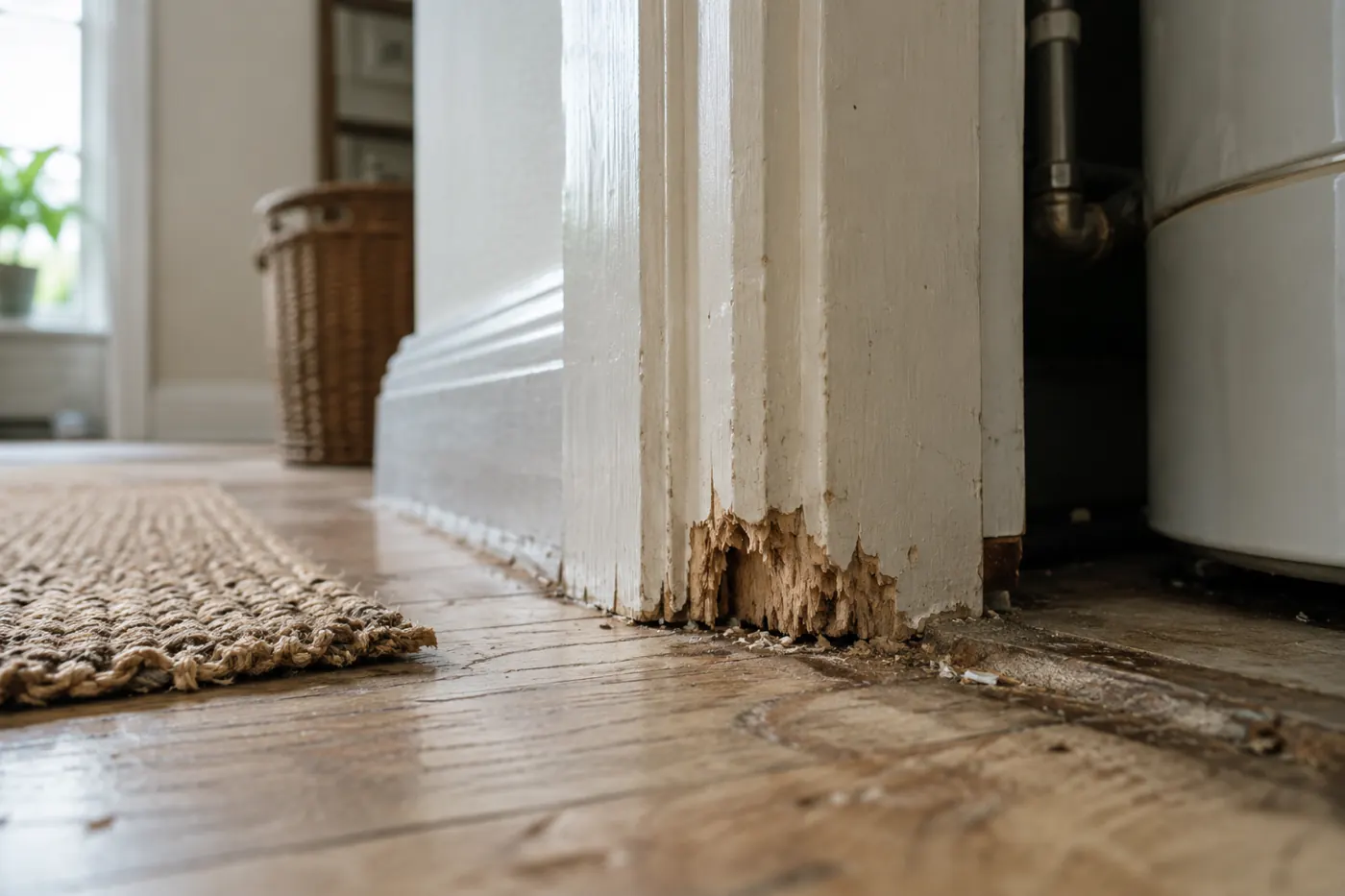
Rodent gnaw marks on a timber doorway thresholdRodent evidence

The original position

Name the shelf, cupboard or box and photograph the surrounding surface without spreading belongings across other rooms.

Explore the topic ↗
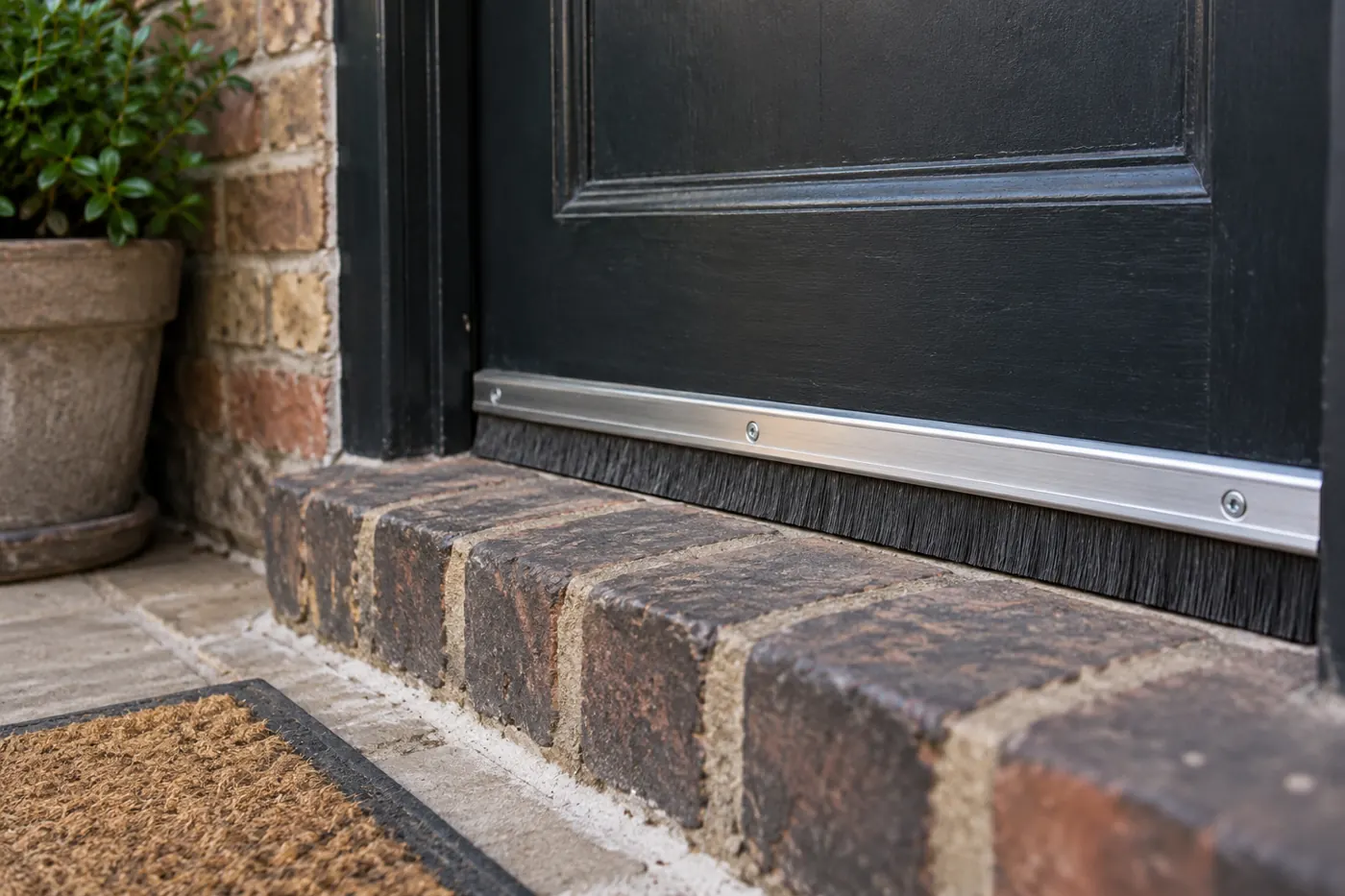
Brush seal fitted beneath a back doorProperty protection

The material condition

Describe dampness or damage you can see. Share any maintenance findings instead of guessing what is behind the wall.

Explore the topic ↗
Organised storage shelving in a catering premisesFor businesses

The handling limit

Say which items need specialist care before anyone proposes normal cleaning or treatment preparation.

Explore the topic ↗
Useful answers / Before your visit

Questions about insects around paper.

Useful answers before you clear the collection or add a household spray.

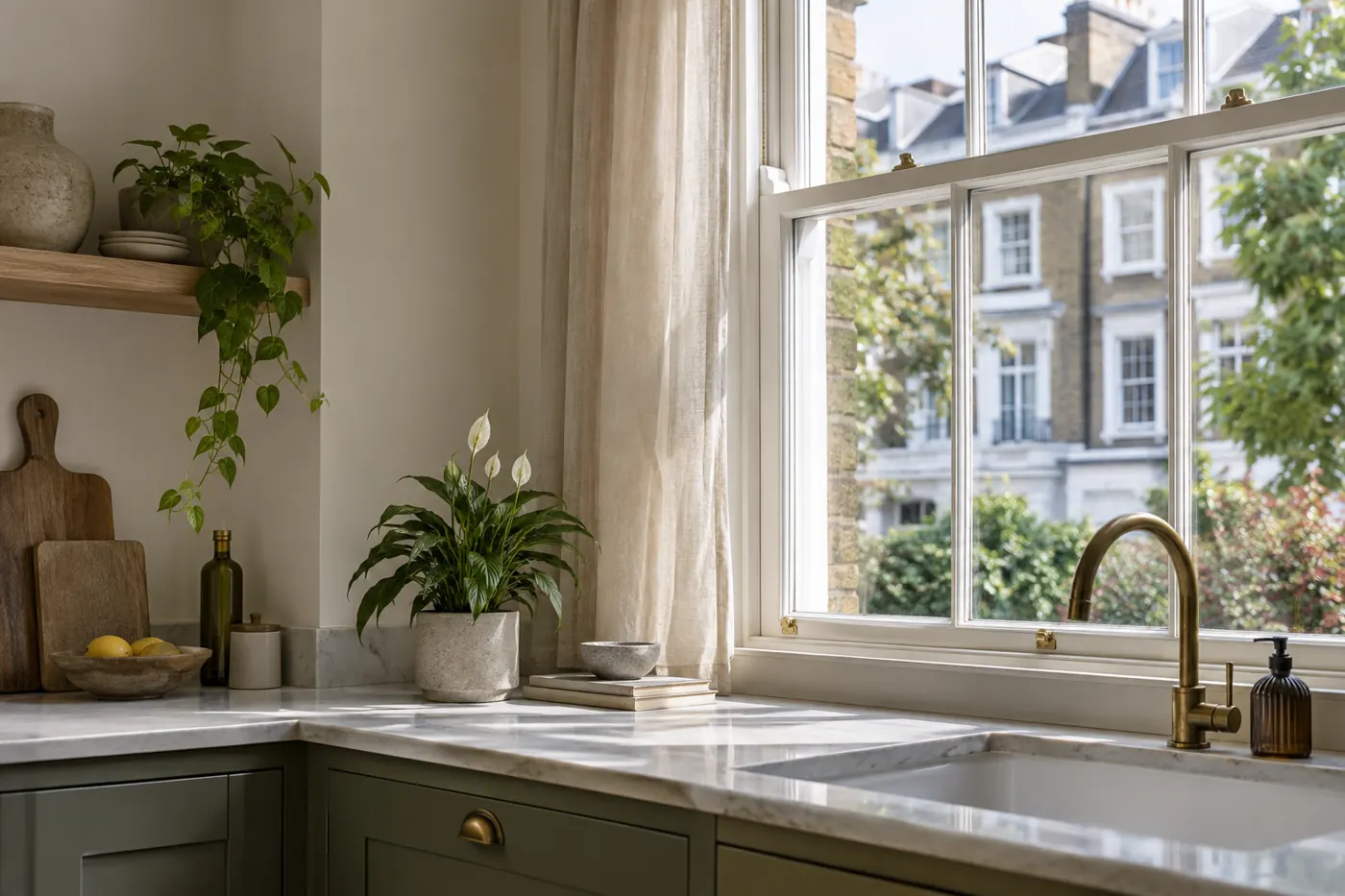
London kitchen window and clear work surface
Describe the shelf finding

Tell us what moved, where it was and what the surrounding material looked like.

020 4571 7639 ↗
Are all tiny insects on books booklice?

No. Location alone cannot identify them. A clear photograph and the material condition help decide what needs closer examination.

Should I spray the books?

Do not apply a household product to books without suitable advice. The material may be damaged, and the underlying condition may need a different response.

Does a booklouse finding mean there is a leak?

Moisture can be relevant, but an insect finding does not locate a leak. Explain any dampness and ask the maintenance contact about the specific area.

Can valuable books stay in place?

Tell us their care restrictions when booking. The inspection and preparation need to account for items that cannot be moved or cleaned normally.

What if there are droppings nearby too?

Record those separately and avoid handling them. A rodent assessment needs the exact location and any other relevant signs.

What should I note after the visit?

Record fresh insects in the original place, the date, and any moisture or repair work completed. Follow the instructions supplied for that finding.

London + M25 / Homes & businesses

SMALL INSECTS. A CLEAR NEXT STEP.

Tell us what you found around the shelf.

Photographs and location