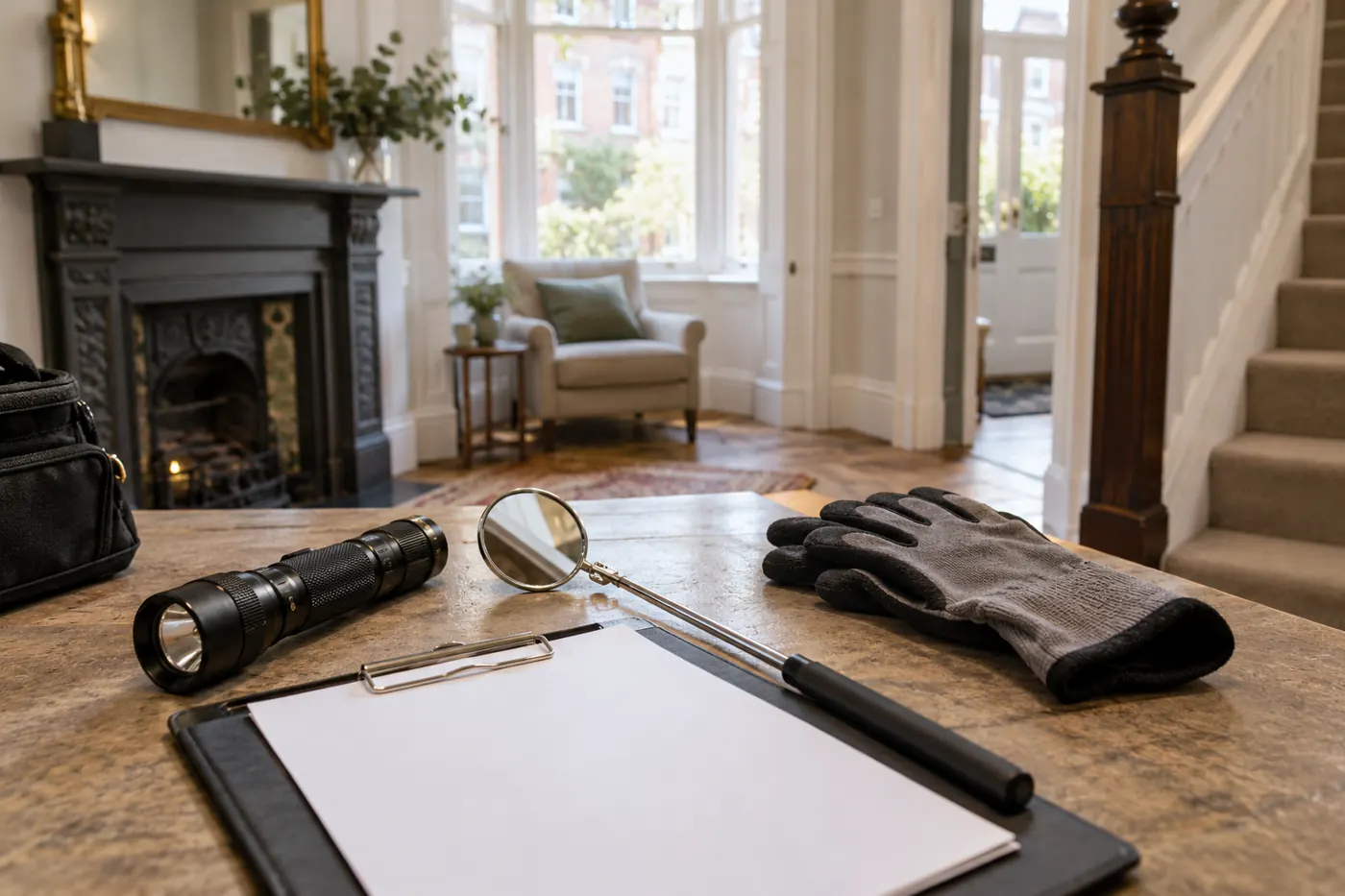

Finding a suspected bed bug in one bedroom of a shared house raises questions for everyone, but a hurried house-wide clean can scatter belongings before anyone knows what is affected. The first response is to preserve a sample or clear photograph, record where signs appeared and arrange an inspection that considers connected rooms. One tenant should not have to diagnose the whole property, and a landlord should not assume that treating the first reported room alone will settle the matter.
Confirm the signs and name a contact
Ask the resident who found the insect or marks to note the date, room and exact position. Useful evidence may include an insect, dark marks on a mattress seam, cast skins or spots on bedding. Bites alone cannot confirm bed bugs because other causes can look similar. Photograph the bed frame, headboard and nearby furniture without stripping the room. If an insect can be contained safely in a sealed clear container, retain it for identification.
Choose one contact for the property: a landlord, managing agent or designated house representative. This person should arrange the pest inspection, share preparation instructions and log the findings. Each resident can report signs privately to that contact. Avoid posting photographs of bedrooms in a public group chat; a factual note that inspections are being arranged is usually enough for everyone to act.
The NHS bedbug guidance advises contacting a council or pest control service when bed bugs are suspected and notes that they can be difficult to eliminate without help. It lists washing affected bedding and clothing on a hot wash and using a hot tumble dry where suitable. Follow the fabric care label and the contractor’s preparation plan rather than assuming every item can tolerate the same treatment.
Plan the inspection across rooms
Map the bedrooms, shared lounge, adjacent rooms and any place where residents sleep. Ask when each person first noticed signs and whether someone has moved bedding or furniture between rooms. Keep those observations separate. The British Pest Control Association’s bedbug preparation advice explains that multi-occupancy properties can be challenging and that investigating adjacent areas may be needed to avoid treatment failure.
The inspector should decide which rooms need examination, not just the room with the first report. Ask them to explain the evidence in each room and what remains uncertain. Some rooms may have no visible sign at the first visit. A negative quick glance is not the same as a full survey, especially if access to furniture was limited. Agree a follow-up method for rooms with uncertain findings.
Arrange access respectfully. Give residents the visit time, what areas need to be available and how personal belongings will be handled. A survey can be intrusive, so allow people to move sensitive items while preserving the layout around the bed for inspection. If a resident cannot be present, agree in advance who may enter and how findings will be communicated. Do not label a resident as the source of the infestation.
Consider the shared spaces as a separate inspection question. A lounge sofa, guest bedding or storage cupboard may have been used by several residents even if nobody sleeps there every night. Give the inspector a realistic account of use and movement, then follow the room-specific findings. This avoids both an unnecessarily disruptive whole-house response and an incomplete check limited to one mattress.
Keep belongings from becoming a route

Before moving laundry, ask the contractor how to contain it. Put items identified for washing into sealed bags in the affected room, then transport them directly to the laundry process. Use clean bags or containers for treated items and keep them separate from unprocessed belongings. Do not carry loose bedding through the hallway or place it temporarily on another resident’s bed. Mark bags by room and treatment status without exposing private details to visitors.
Avoid shifting mattresses, sofas or suitcases between bedrooms while the scope is unknown. Do not discard large furniture into a shared corridor or leave it for collection without advice; it can spread insects or be taken by someone else. If disposal is required, follow local waste rules and the professional plan. A room may need access around the bed, but indiscriminately emptying cupboards can make inspection and containment harder.
If residents use a communal laundry, coordinate times so sealed incoming bags and clean outgoing items do not mix. Keep a simple log of what was processed and where it is stored. The goal is consistency, not an inventory of every private possession. Residents should know which items can be used normally and which should remain contained until the contractor says otherwise.
Agree treatment and communication
Ask the bed bug control service what preparation is required, which rooms are included, what treatment methods are proposed and when follow-up inspections will occur. Discuss commercial pest control options when arranging the visit. The plan should cover residents who cannot vacate a room at the same time, and any access to shared furniture. Confirm who will book and pay for building access or repairs without making assumptions about legal responsibility from a single sighting.
After a visit, share a concise house-wide update: rooms inspected, areas needing preparation, the next appointment and who receives new reports. Give each resident their own room findings privately. A shared schedule reduces accidental movement of untreated items and prevents one room from being reopened while an adjacent area remains under review.
If a resident is travelling or temporarily staying elsewhere, ask for clear instructions before they pack. A suitcase can move between rooms and properties, but blanket advice to leave the house may complicate containment. The contractor can explain what should be checked, bagged or treated before travel. Make the update available in writing, not only at a household meeting.
Do not spray household insecticide onto beds or into sockets without a professional plan. It may interfere with inspection or create unnecessary exposure. Treatment success depends on finding hiding places, preparing rooms as directed and completing follow-up. If bites continue, record dates and show the contractor any new physical evidence rather than deciding independently that treatment failed or succeeded.
Close the loop with a written record
The contact should retain the inspection report, room map, preparation instructions, treatment dates and follow-up findings. Record any room that could not be inspected and arrange a return visit. If new signs appear in a previously clear room, note where and when before moving belongings. The broader bed bug prevention guide covers travel and secondhand items; this plan addresses the separate challenge of several people and rooms sharing one building.
When the contractor confirms the response is complete, tell residents what monitoring should continue and where to report a new sign. Keep communication calm and specific. A coordinated inspection, careful handling of belongings and a shared timetable give every resident a role without turning suspicion into blame or moving the problem from room to room.