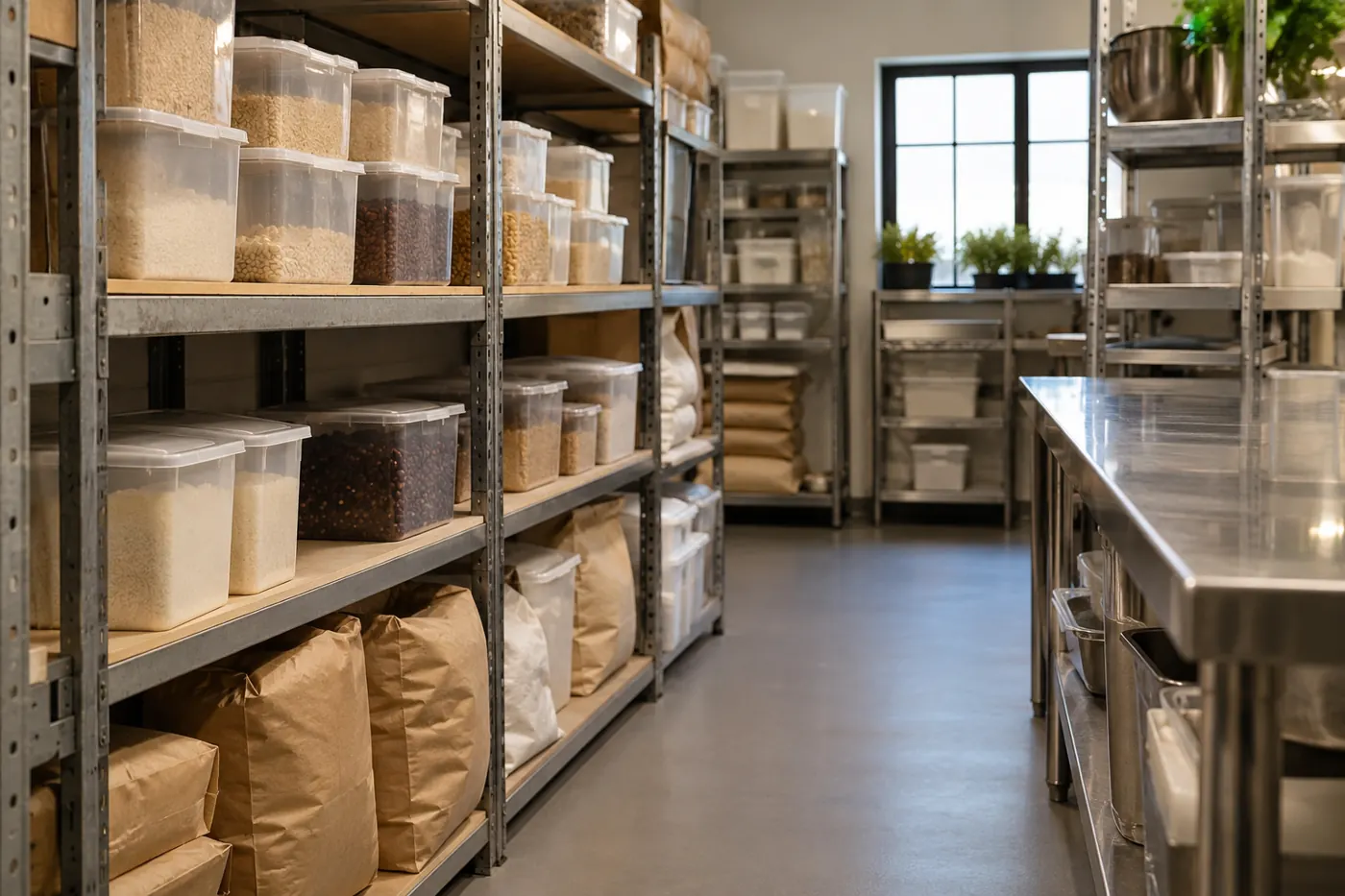
Soho’s mix of restaurants, shops, workplaces and homes means a pest report should say much more than the street name. The area is part of London’s West End, and Westminster’s conservation audit describes its combination of commercial and residential uses. That local setting matters when a kitchen, store or flat shares a building with other occupiers. It does not establish that an adjoining business caused your problem. Record what was seen within your own premises first: the shelf, appliance, room and time. A note handed between shifts is especially useful when the person booking the visit did not see the insect or animal.
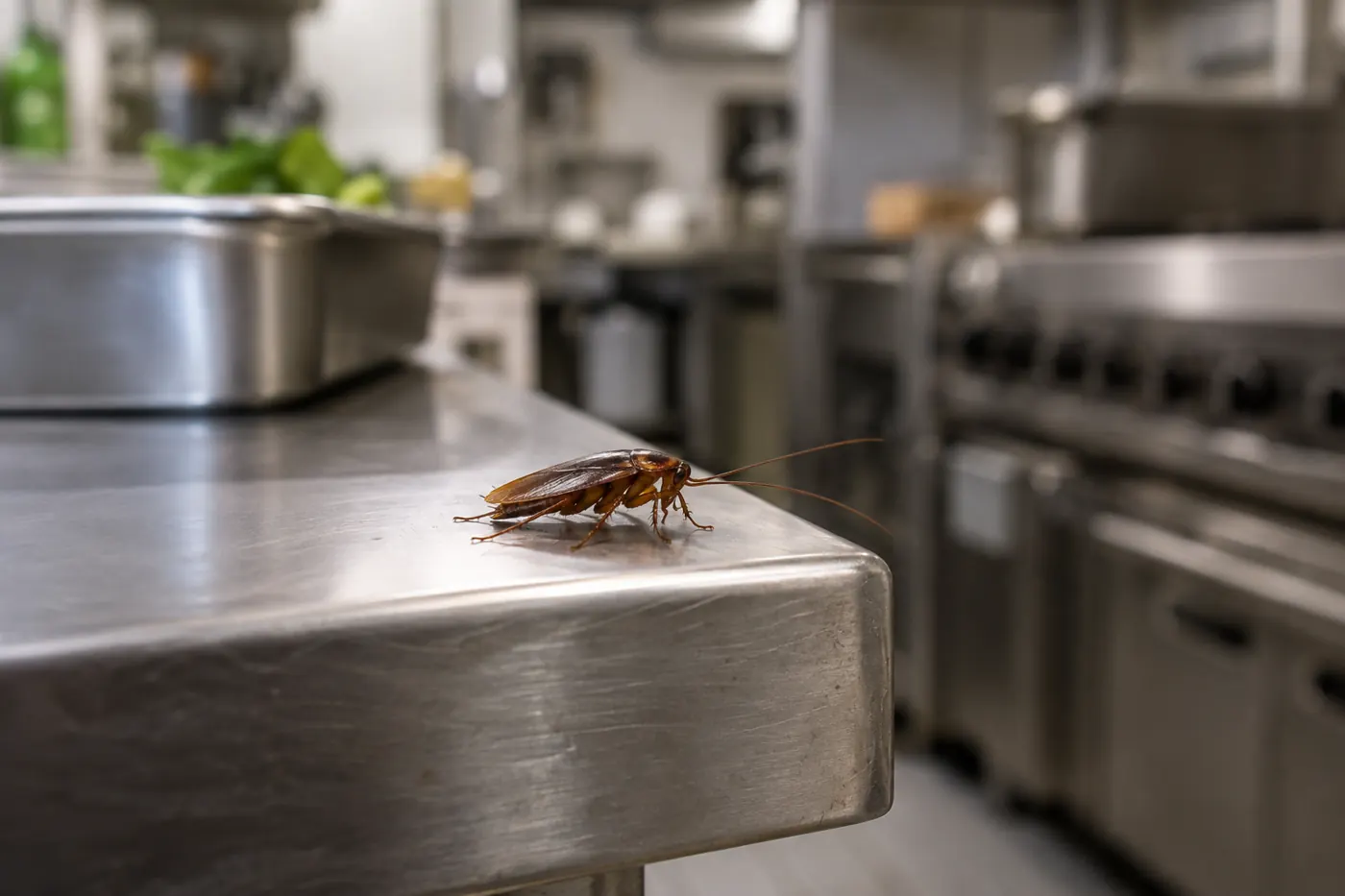
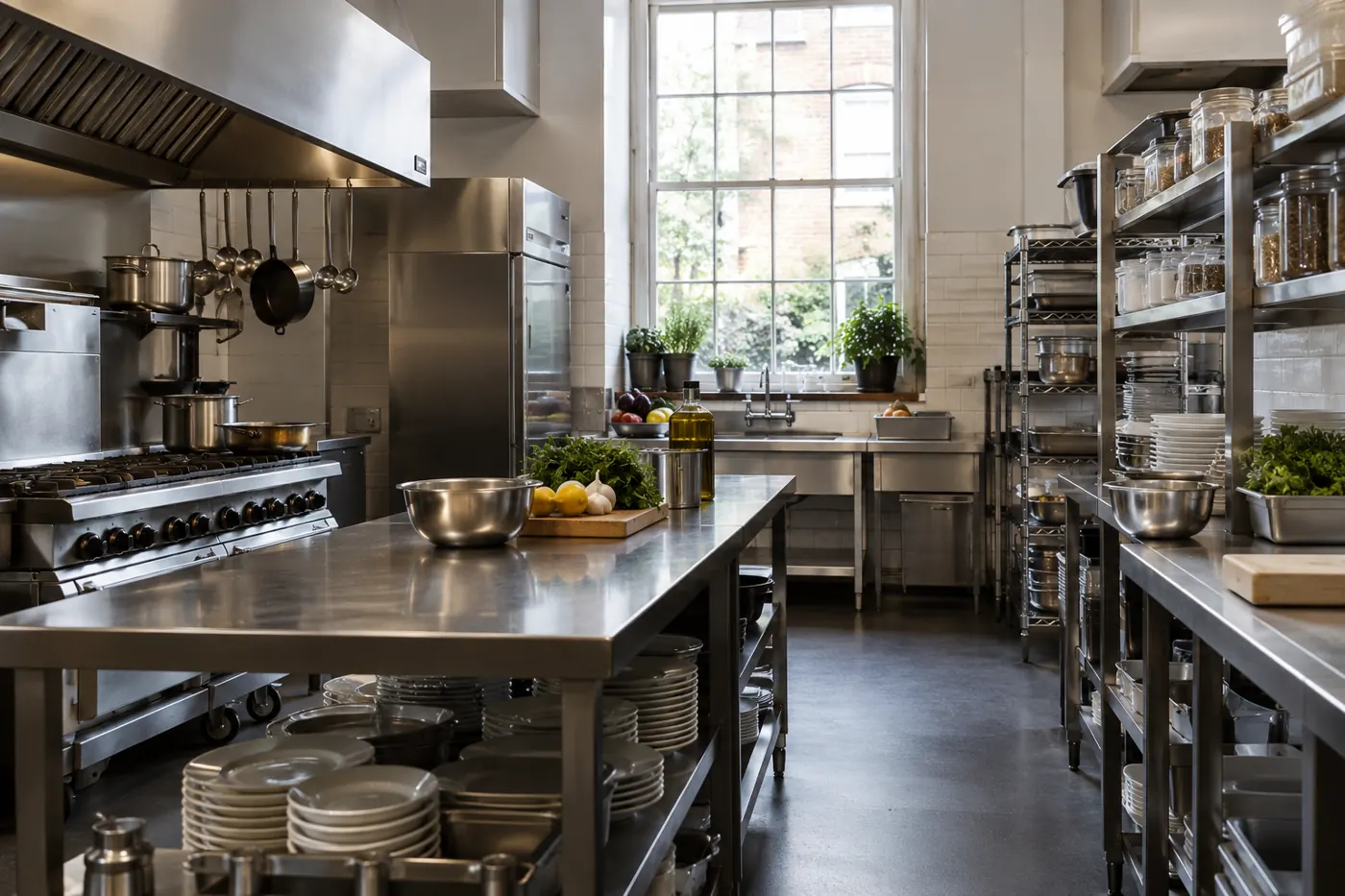
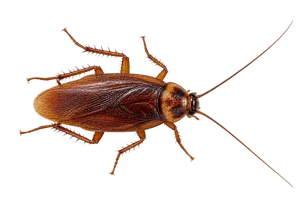
For food businesses, discuss pest control for working premises with a clear account of food preparation, stored ingredients and accessible spaces. If an insect was found beside refrigeration or a warm appliance, a photograph can help the conversation about cockroach control. Avoid trying several sprays before asking for advice. Tell us which products have already been used, and keep treatment preparation separate from routine cleaning tasks so staff understand what they need to do.
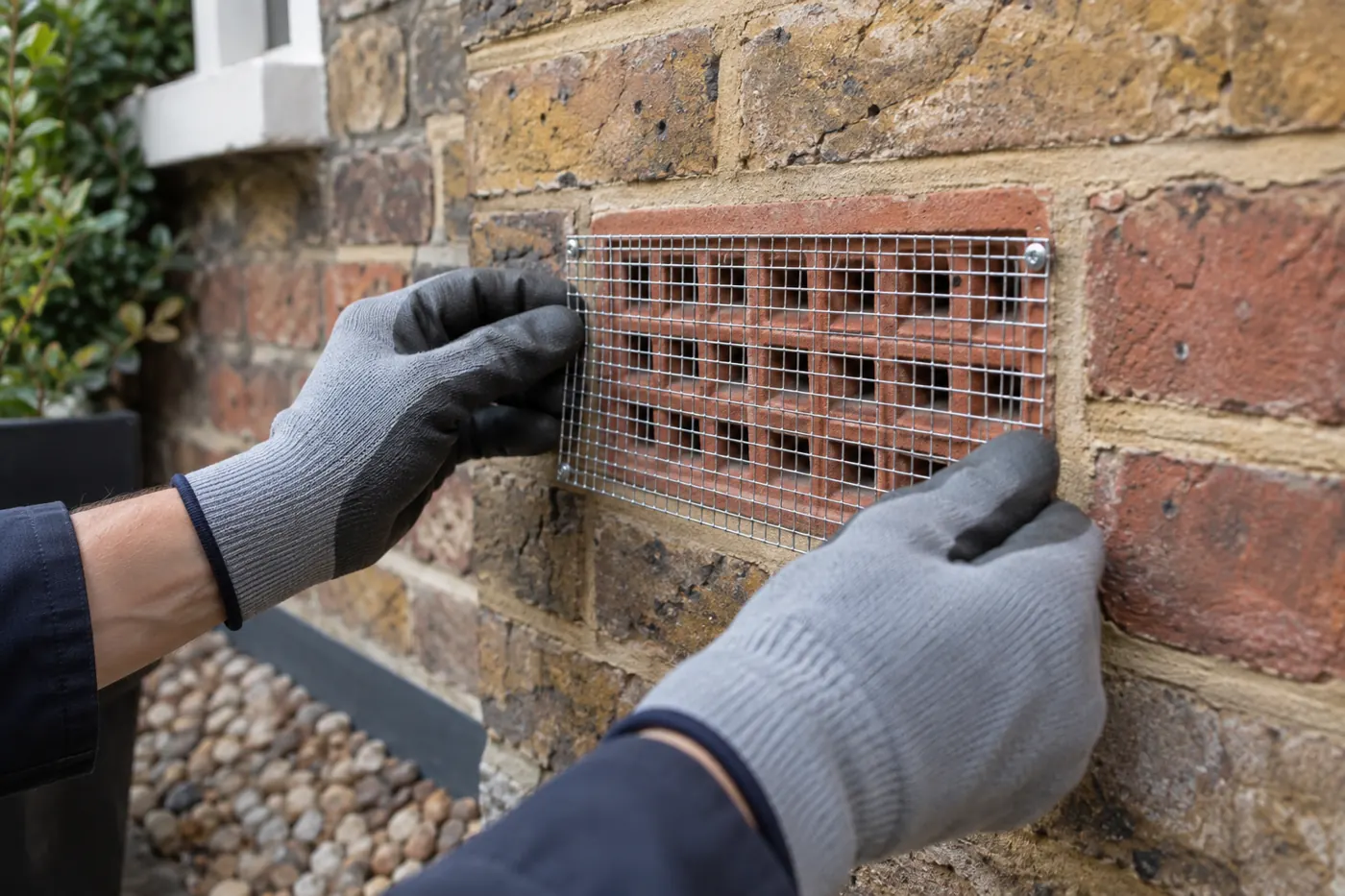
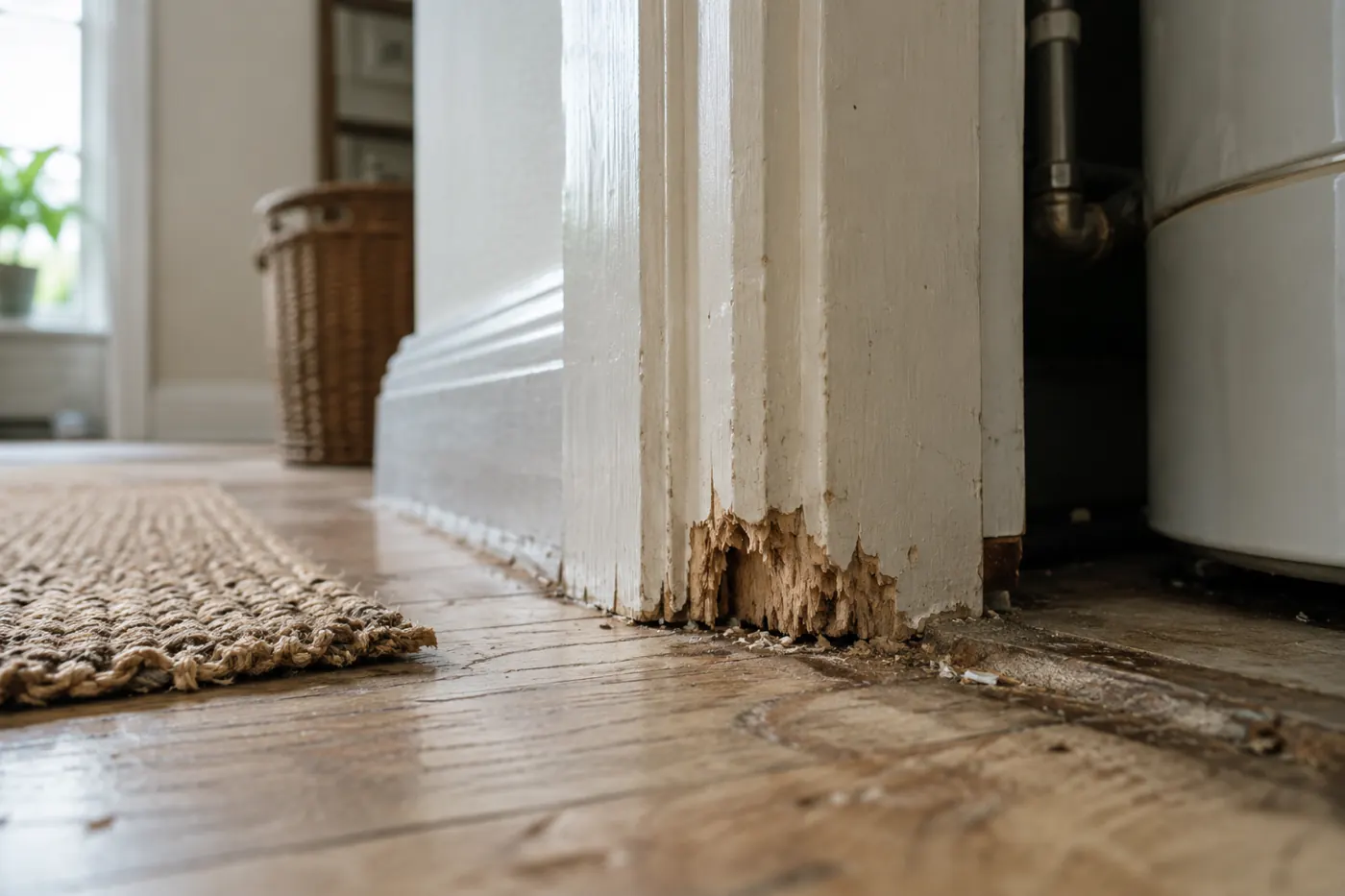
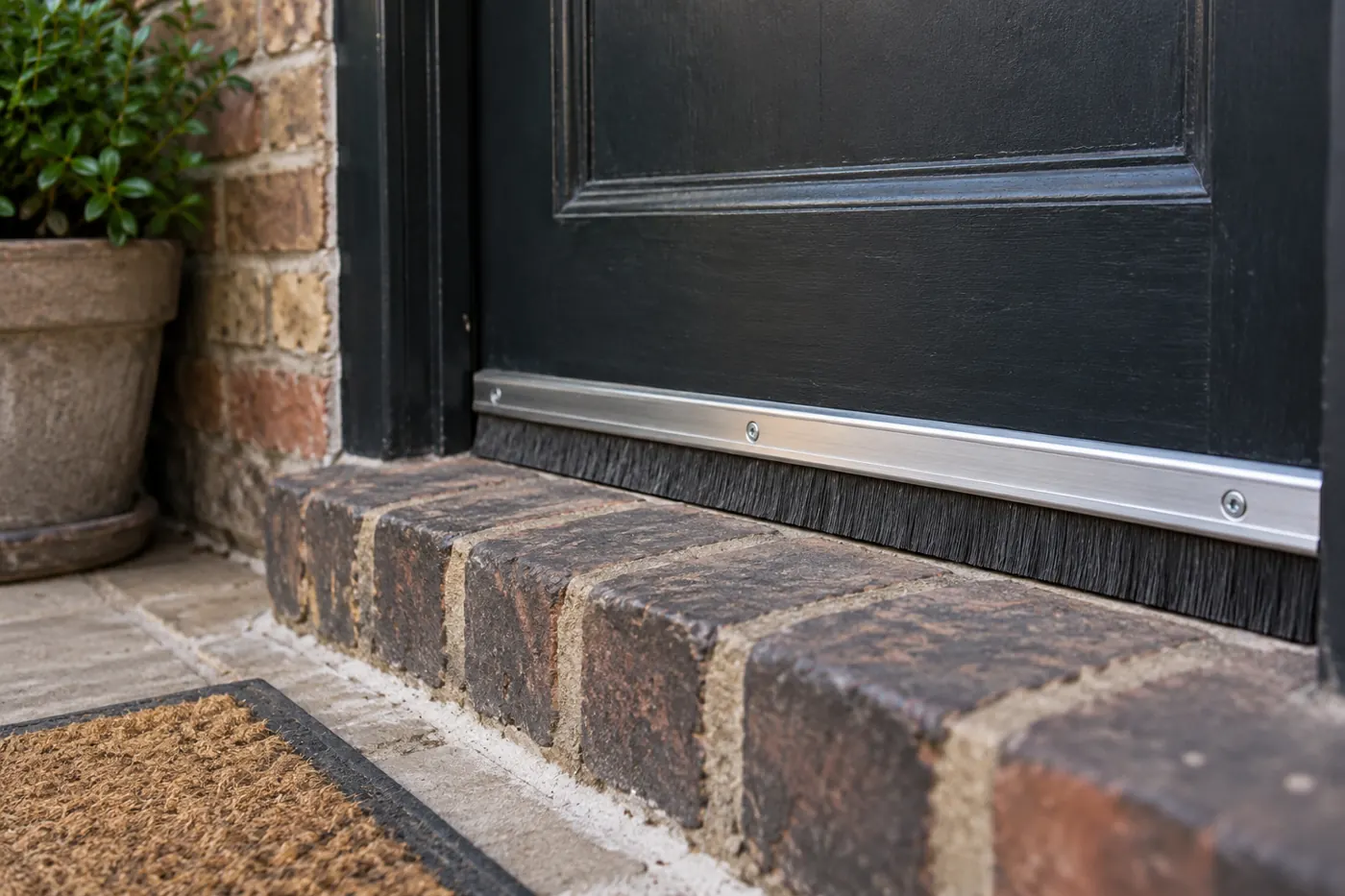
Damaged packaging or droppings in dry storage may warrant mouse inspection and treatment; a larger outdoor sighting should be described separately when discussing rat control. Do not transfer suspect stock into an unaffected room as a quick fix. Where an entry route is established, proofing advice should suit that opening and the practical needs of the premises. A door still needs to close properly, and ventilation cannot simply be filled in.
For an address towards the residential and business streets to the north, read our Fitzrovia guidance. For premises around the market and theatre district to the east, the Covent Garden page offers another local starting point. Whichever page you use, call with the exact postcode and current operating times so an inspection can be discussed around the real premises.
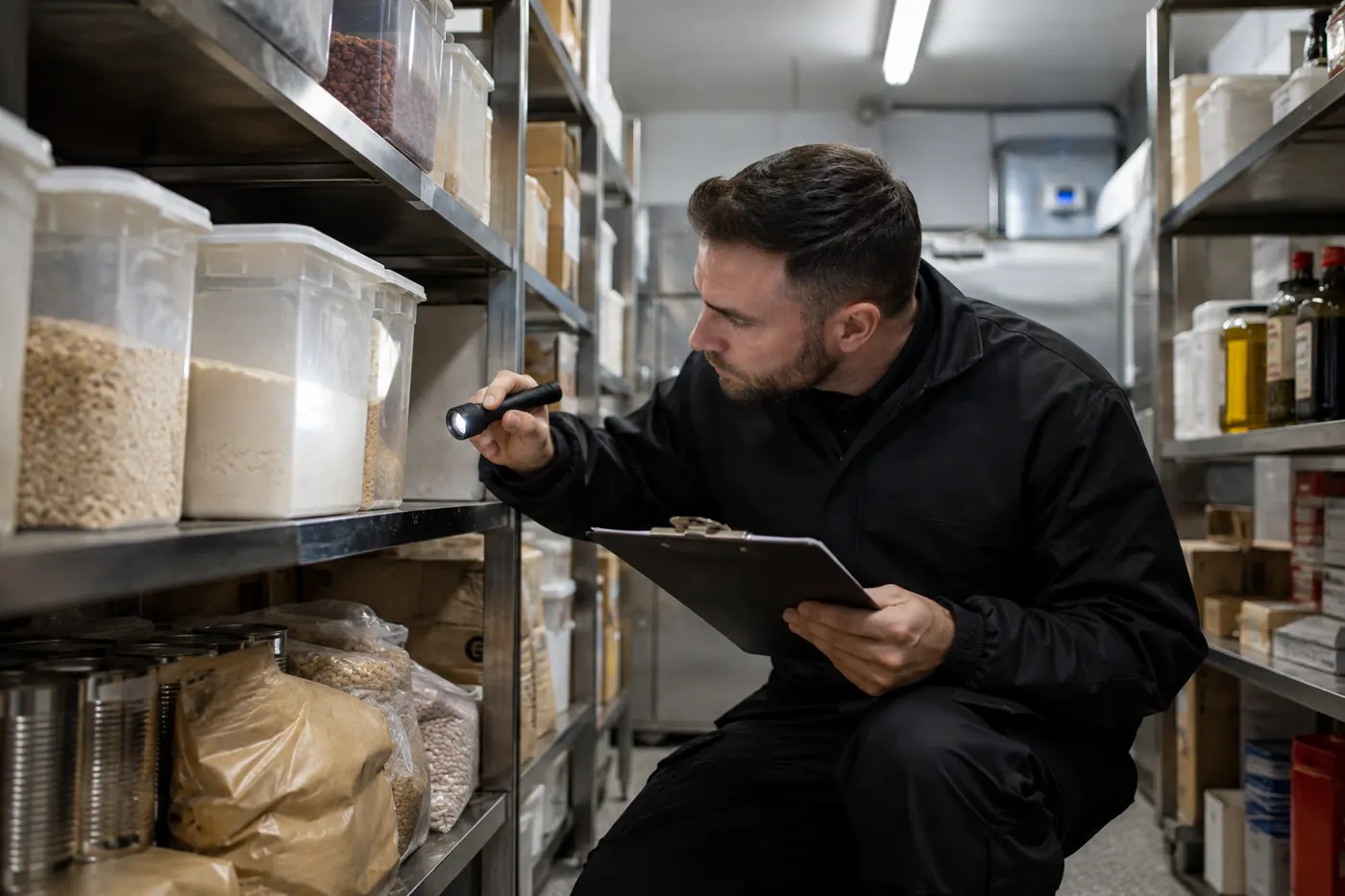
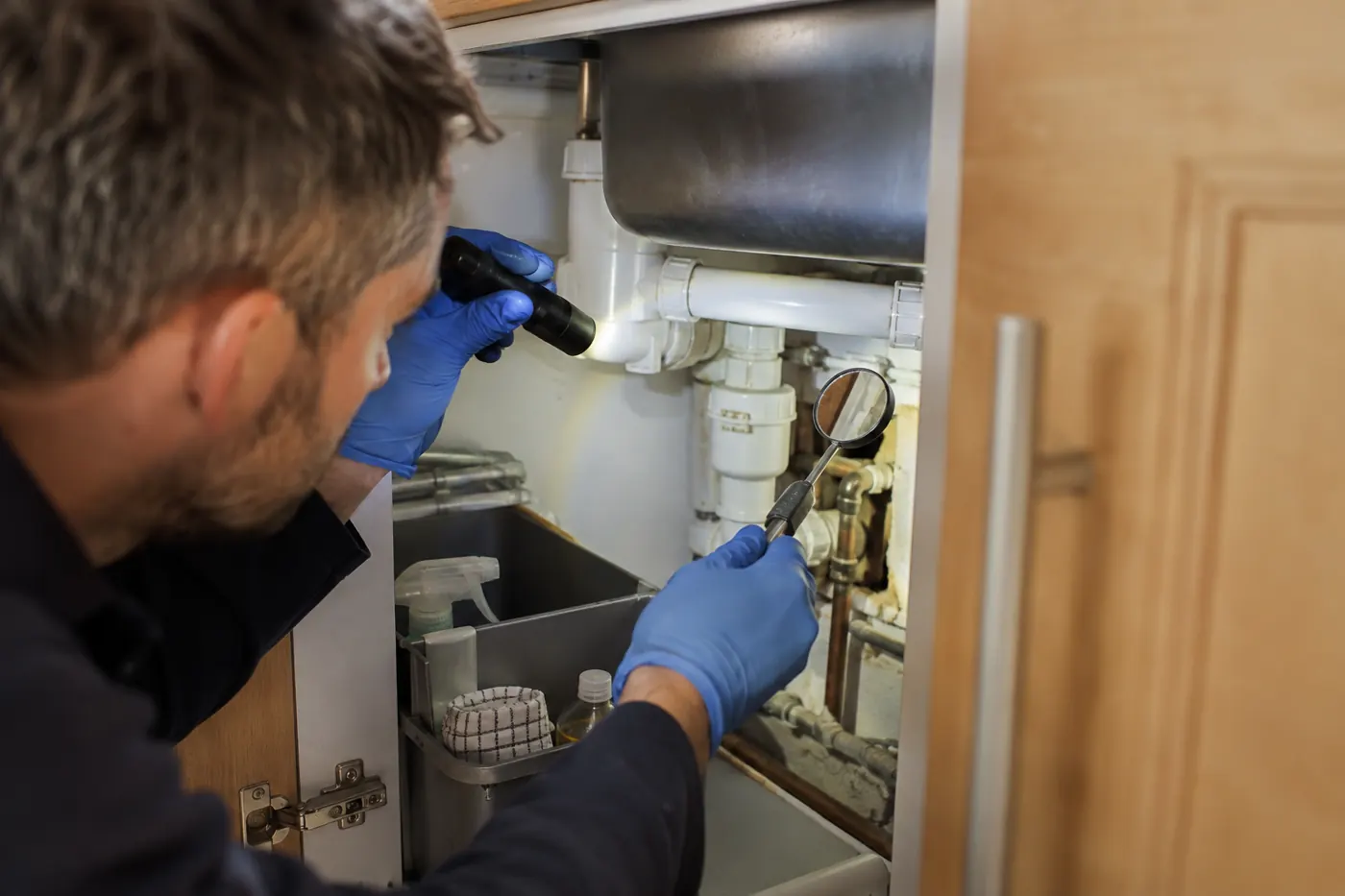
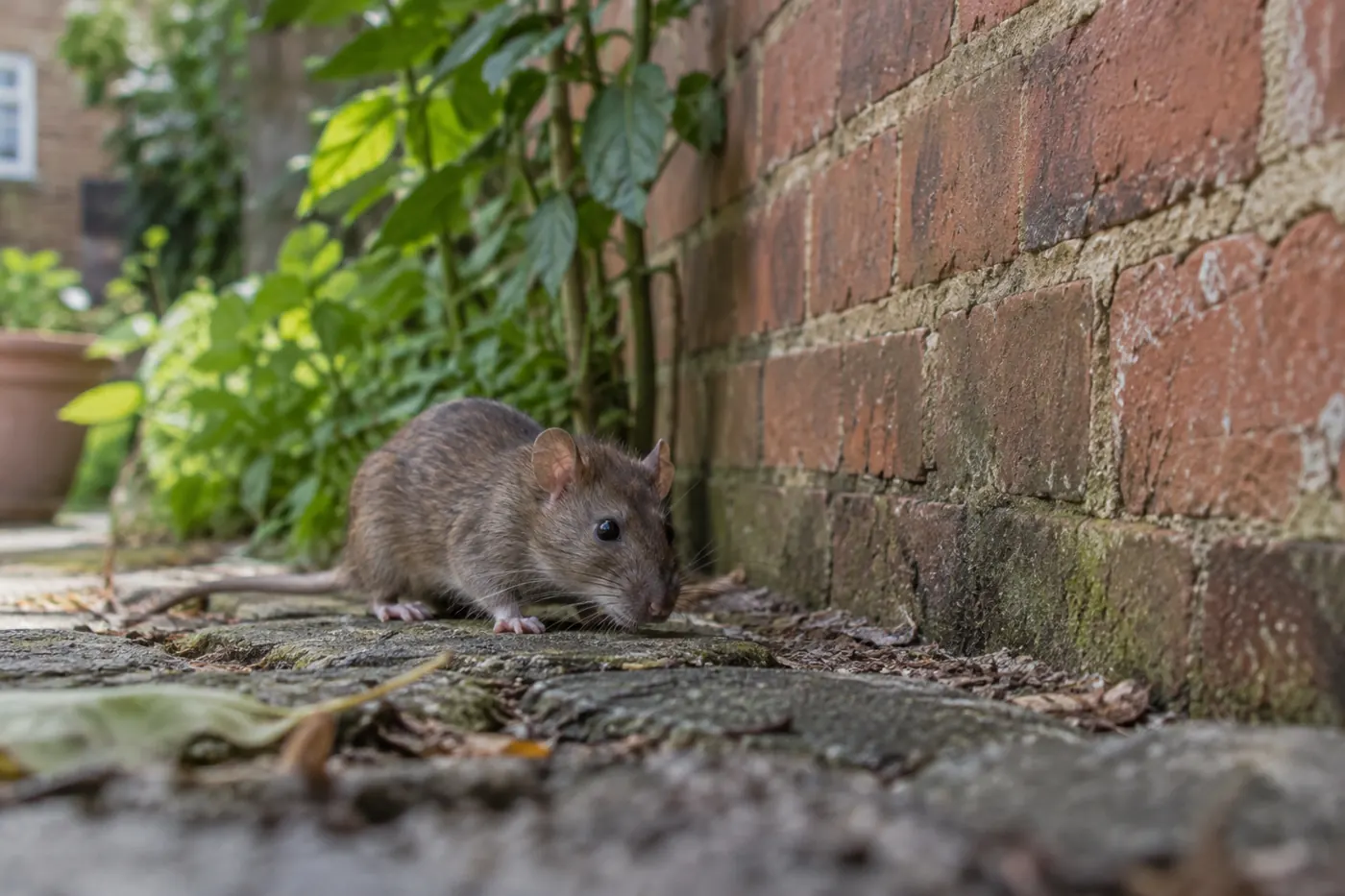 Rodent inspection