London + M25 pest control

Pest Control St Johns Wood

A useful photograph shows where the finding was, without asking you to handle it.

  • Photograph from a safe position
  • Include location and a separate size reference
  • Keep the original image for the inspection
Call 020 4571 7639 ↗Explore treatments ↓
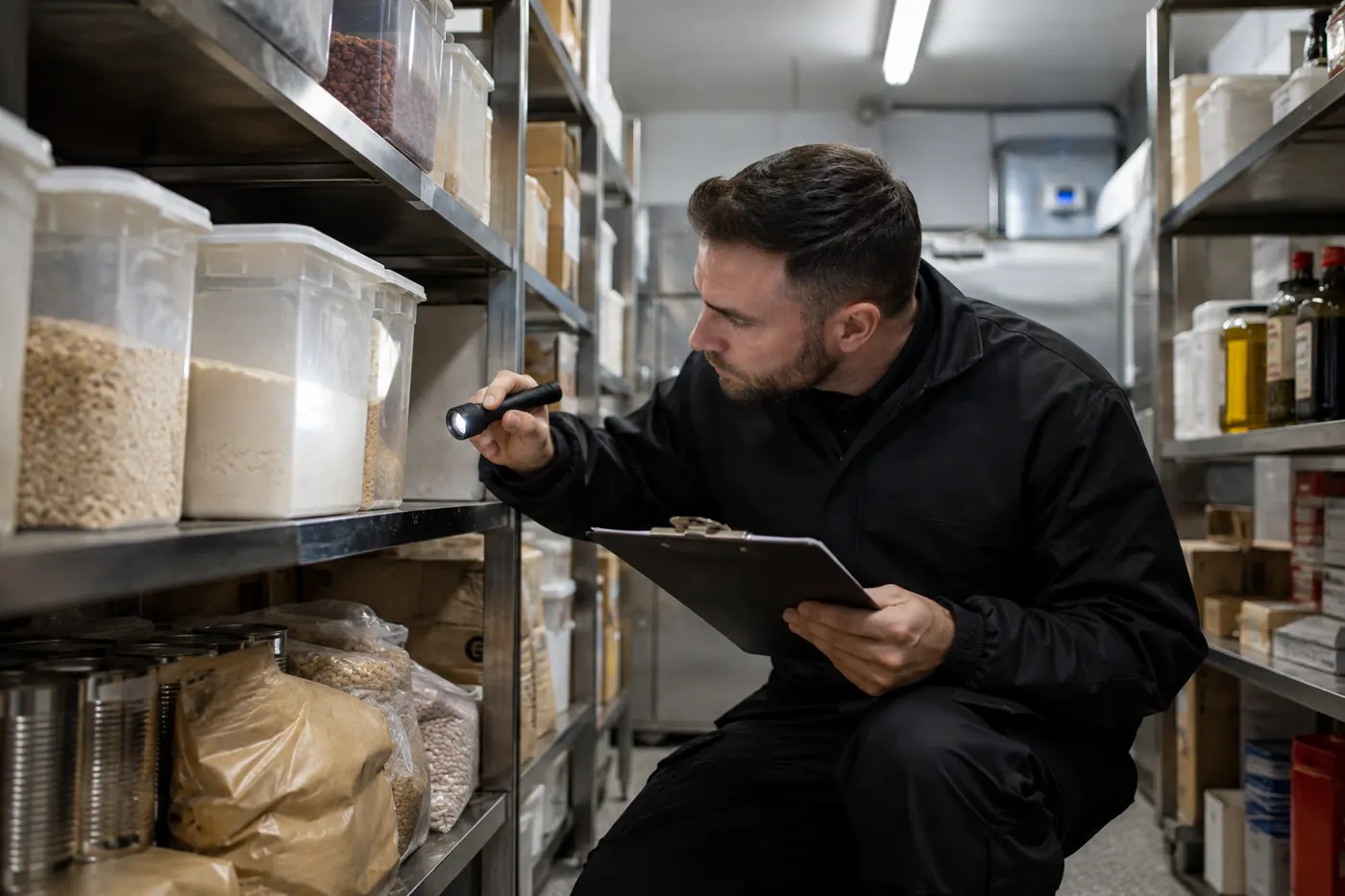
Technician inspecting shelving in a commercial stockroom
REQUEST SAME-DAY RESPONSELondon + M25
Homes / Businesses
Small signs. A closer look.
Understanding your pest problem

Help the photograph explain the finding.

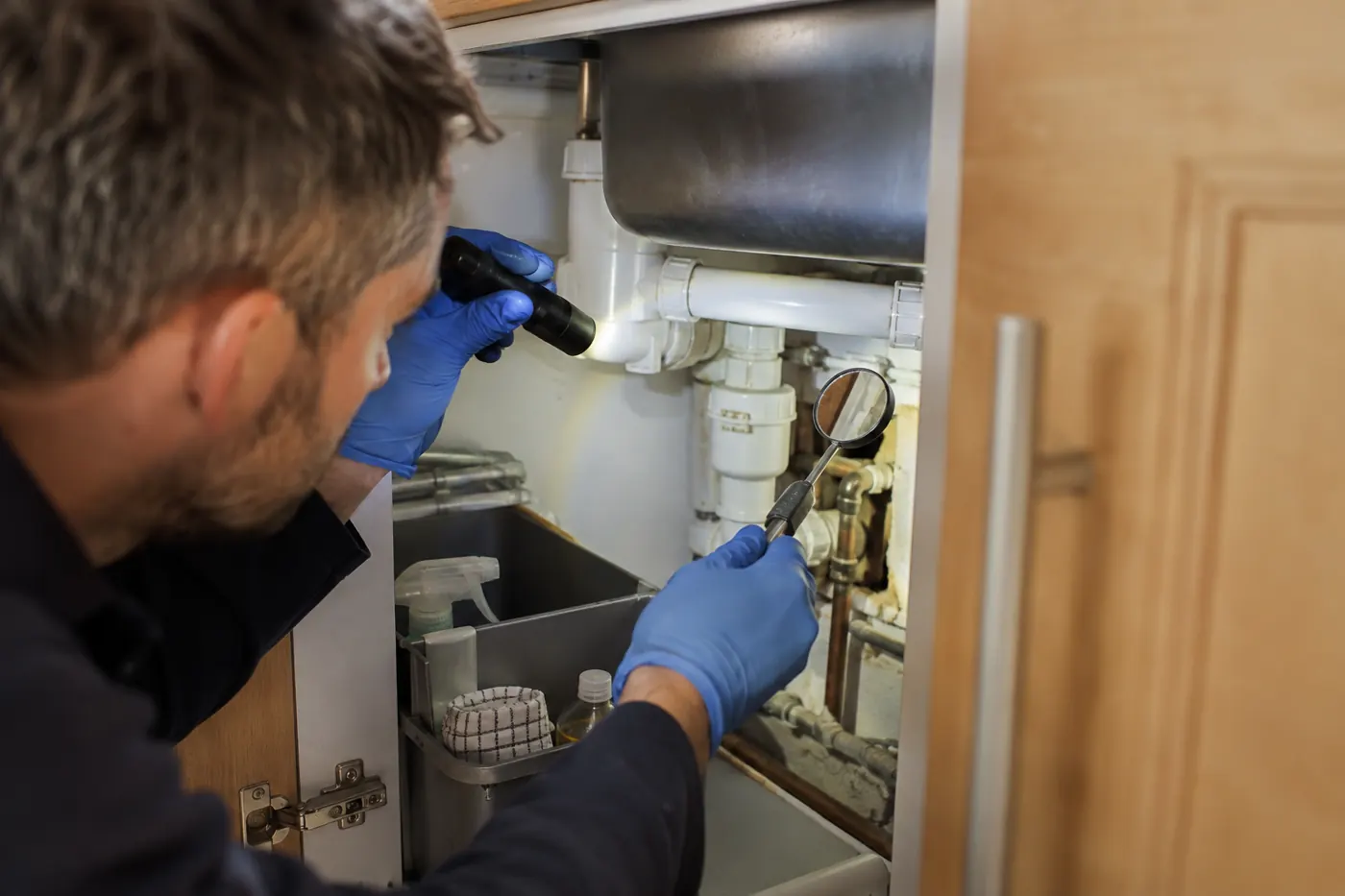
Inspection of pipe entry points beneath a kitchen sinkInspection / Entry points / Prevention

If you contact us with a pest photograph, include the room and the surface where you took it. A sharp close-up is helpful, but a second view of the surrounding cupboard, window or floor can prevent confusion about location. Pest control in St Johns Wood starts with what you can safely show and describe, rather than a guessed pest name attached to a blurry picture.

Take the photograph without handling droppings, touching an unfamiliar insect or disturbing a suspected nest. If a size reference is useful, photograph a nearby familiar feature from the same viewpoint or describe an approximate measurement. Do not place a coin into debris simply to improve scale. Keep the original file: heavy cropping, filters and screenshots can remove detail that matters when someone examines the picture.

Westminster’s St John’s Wood conservation area audit describes a varied residential setting near Regent’s Park and Maida Vale. A house, a flat and a separate garden space still need their own evidence report. Give the actual address and say whether the photograph was indoors or outdoors. Our rat inspection service considers relevant animal signs, while mouse control can assess evidence around household food and openings.

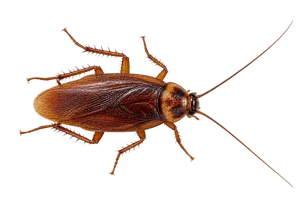
An image may help identify an insect, but it cannot show every hiding place or establish the extent of activity inside a building. Our cockroach assessment and bed bug service use the finding alongside room information and inspection where needed. Send the time and location with each photograph rather than combining several rooms into one unexplained collection. If the picture is unclear, a plain description of movement, size and the original surface can still help decide the next useful step. If you send several images, give each its own short caption. A date and room name can be enough to connect a detailed picture with the surrounding view, without relying on someone else to remember the order.
Treatments / Built around your property

A photograph is evidence with limits.

Use it to locate the problem and support the appropriate inspection.

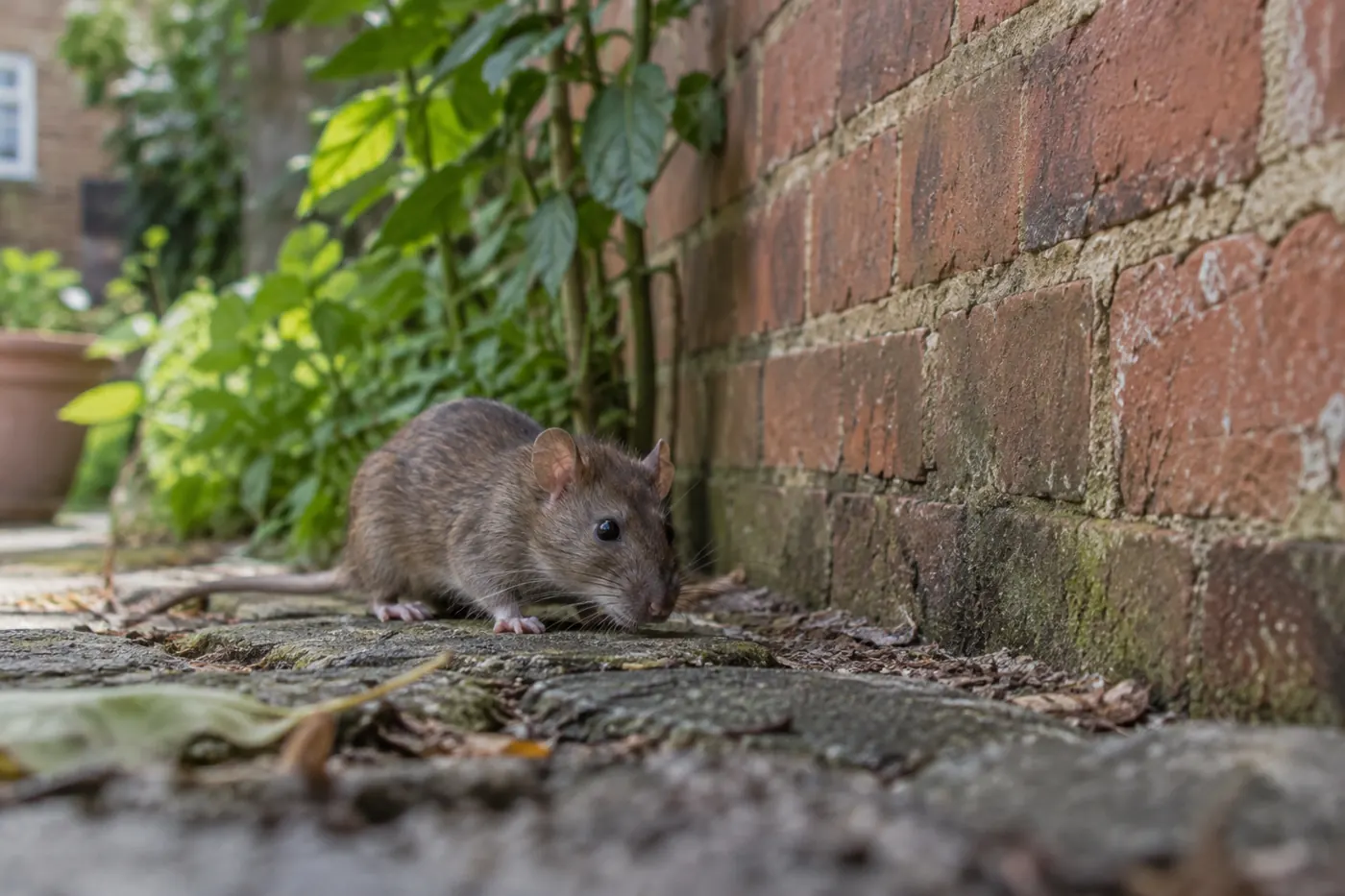
Brown rat beside a brick wall at a London propertyRodent inspection
Rodents / Rat & mouse control

Show the rodent sign in context.

Photograph marks or suspected droppings where they lie, without touching or scattering them. Include the cupboard or floor position in a separate view.

Tell us whether the signs are newly noticed or have appeared again since a dated clean. The photograph alone cannot establish when they were left.

Add the room name

A rodent inspection can assess routes and other signs beyond the photographed surface, then discuss relevant treatment and prevention.

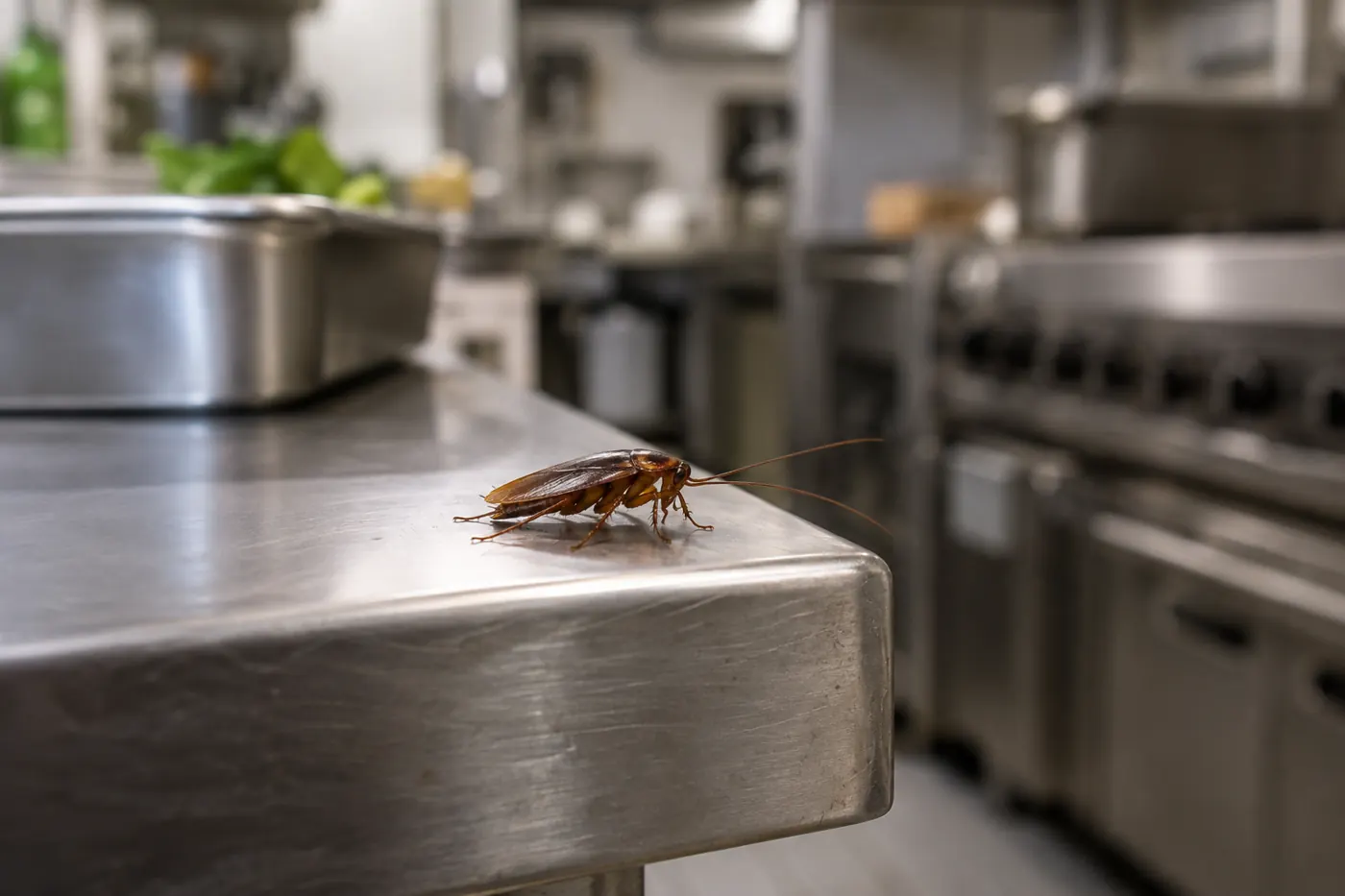
Cockroach at the edge of a commercial kitchen work surfaceKitchen inspection
Insects / Targeted treatments

Keep insect detail without disturbing it.

Use available light and a steady viewpoint. If the insect moves out of sight, record where it went rather than chasing it behind connected equipment.

Avoid pressing an unfamiliar insect onto a ruler or lifting bedding simply to stage a better picture. Safe location information is more valuable than a risky close-up.

Explain what the picture misses

Say if the camera could not show colour or detail clearly. A remote first impression may still require identification during an inspection.

Our bed bug checks consider actual sleeping-area evidence. A skin mark photograph cannot identify the insect responsible.

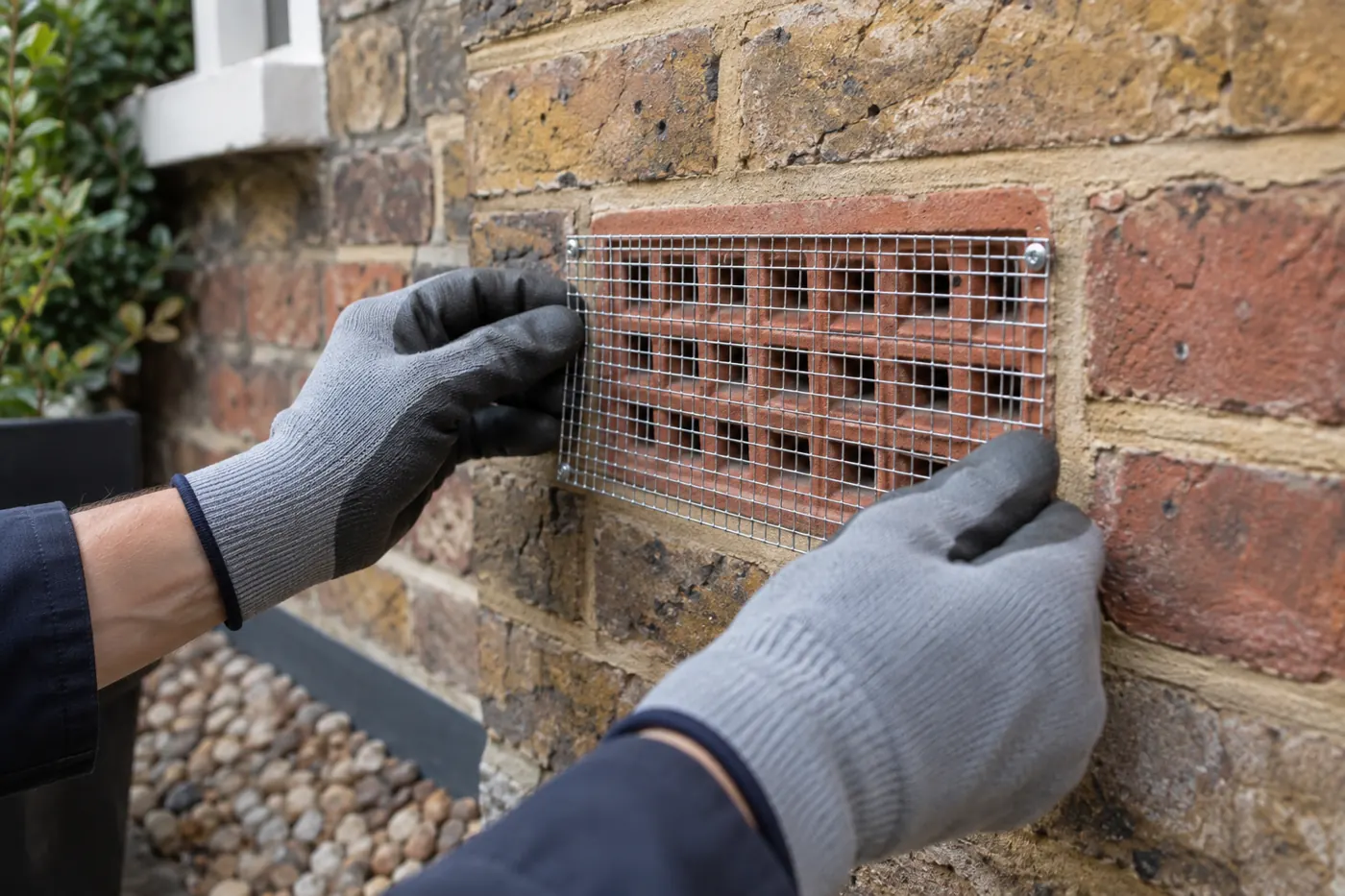
Gloved hands fitting protective mesh to an external air brickEntry points & prevention
Protection / Pest proofing

Show the possible opening separately.

If a visible gap is relevant, photograph it from a safe accessible position. Include the door, pipe or wall around it so its function is clear.

Do not climb, remove fixed panels or enter a confined space to collect pictures. Explain the access limit instead.

Discuss suitable proofing

An image can help describe a proposed repair, but the opening needs assessment before it is treated as a confirmed pest route.

Start with what you have noticed

Keep a dated picture sequence.

Name each image by room and date. This helps compare fresh observations after treatment or a relevant repair without losing the original context.

Call 020 4571 7639 ↗
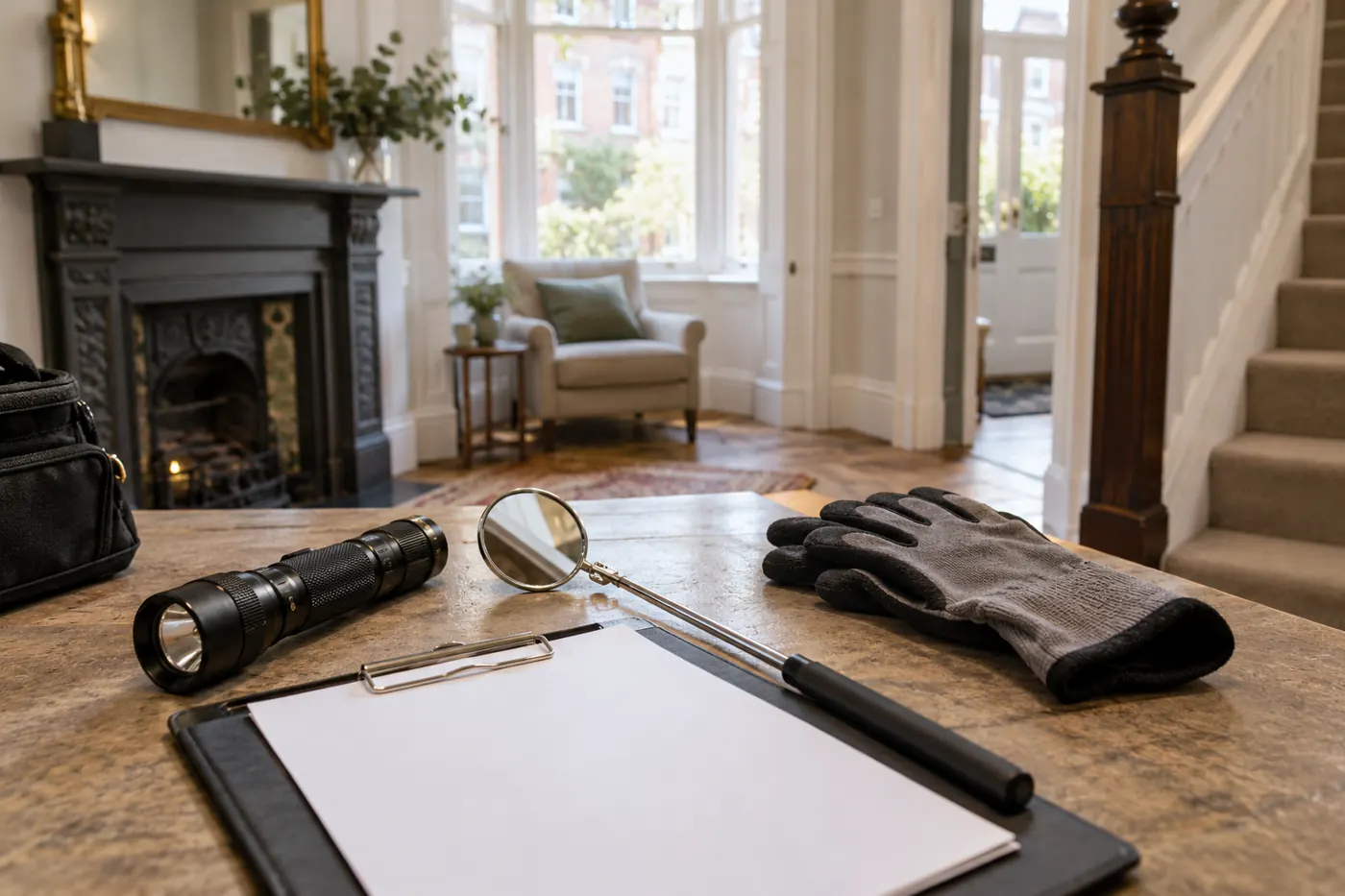
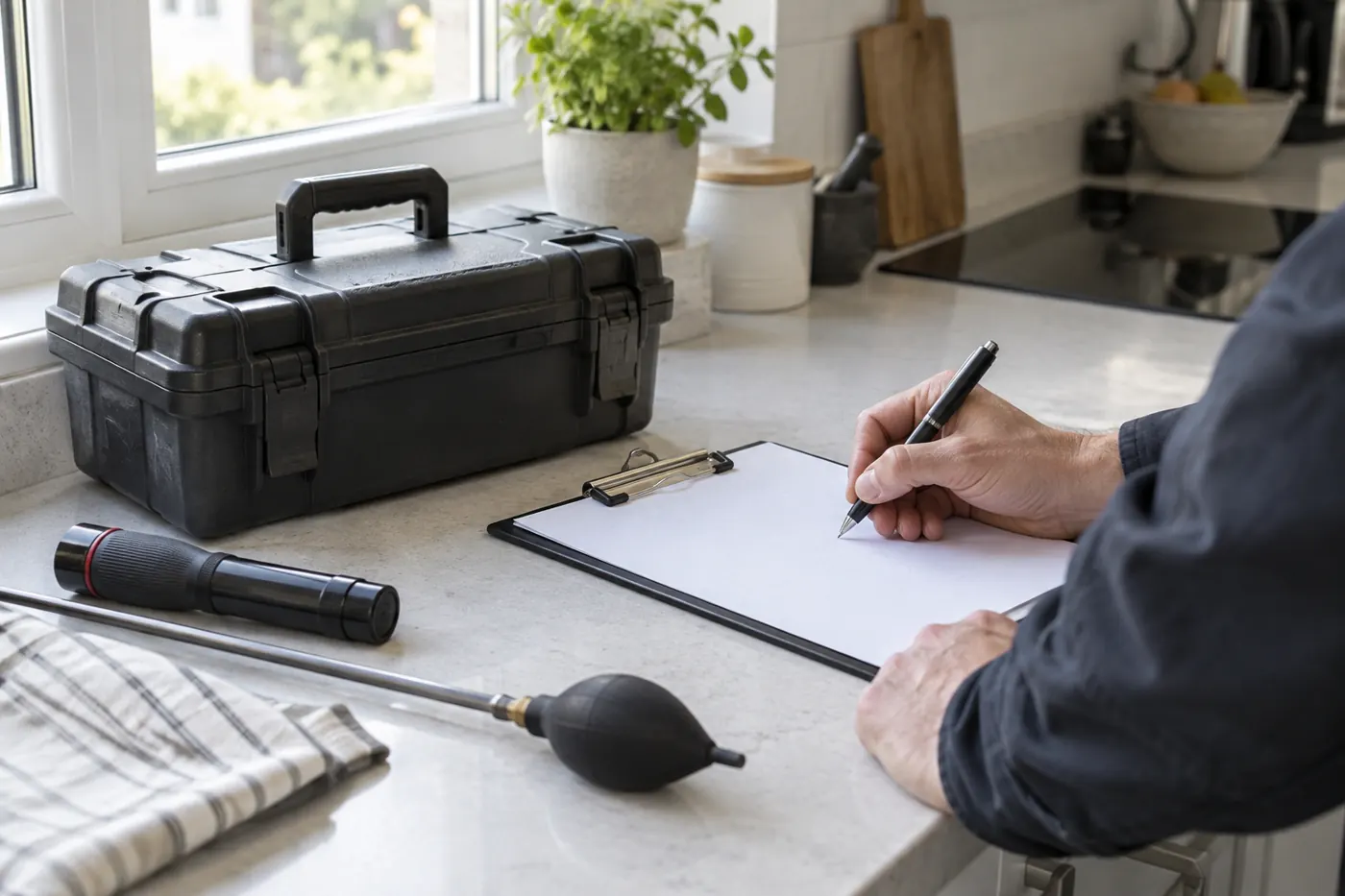
Torch, mirror and gloves prepared for a pest inspection
The diagnostic sequence

Show the finding. Keep the location.

WIDE VIEWIdentify
→
DETAILTrace
→
DATETreat
→
ROOMPrevent
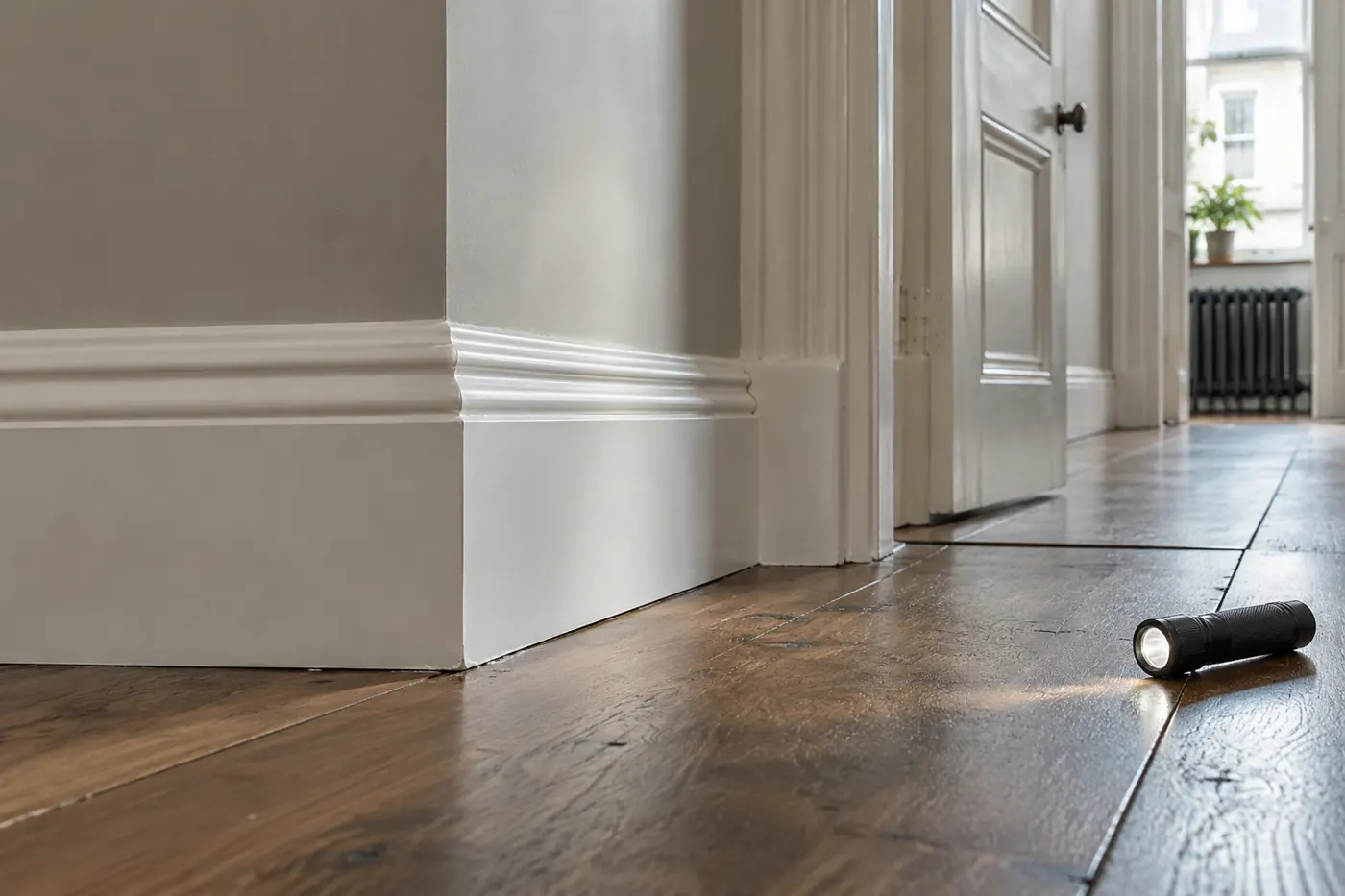
Sealed skirting corner and inspection torch in a period hallway
Property protection / Pest proofing

A cropped image can lose the most useful clue.

Save the original photograph even if you send a closer crop. A wide view may show that the insect was on a window rather than beside a food cupboard, or that marks were beneath a particular appliance.

If someone else took the image, ask them for the original location and time. Distinguish their first-hand observation from your own description so the inspection begins with an accurate account.

Pest proofing, explained ↗
Domestic & commercial pest control

Evidence from different settings.

The photograph should belong to a specific place within the address.

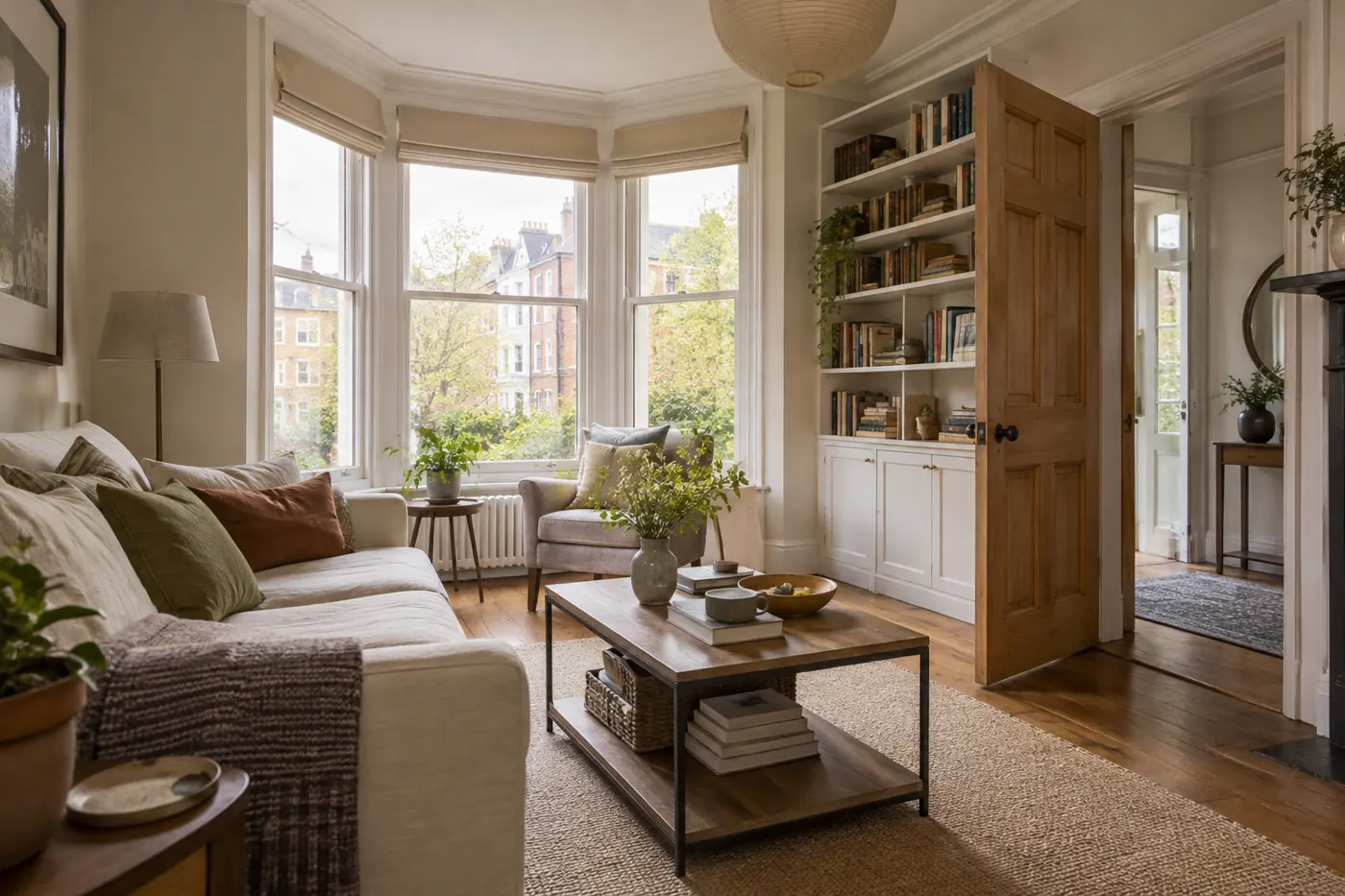
London apartment living room with a bay window
The spaces you live in

Home kitchens

Pair the detailed finding with a view of the relevant cupboard or equipment position, while keeping food protected.

Discuss your property ↗
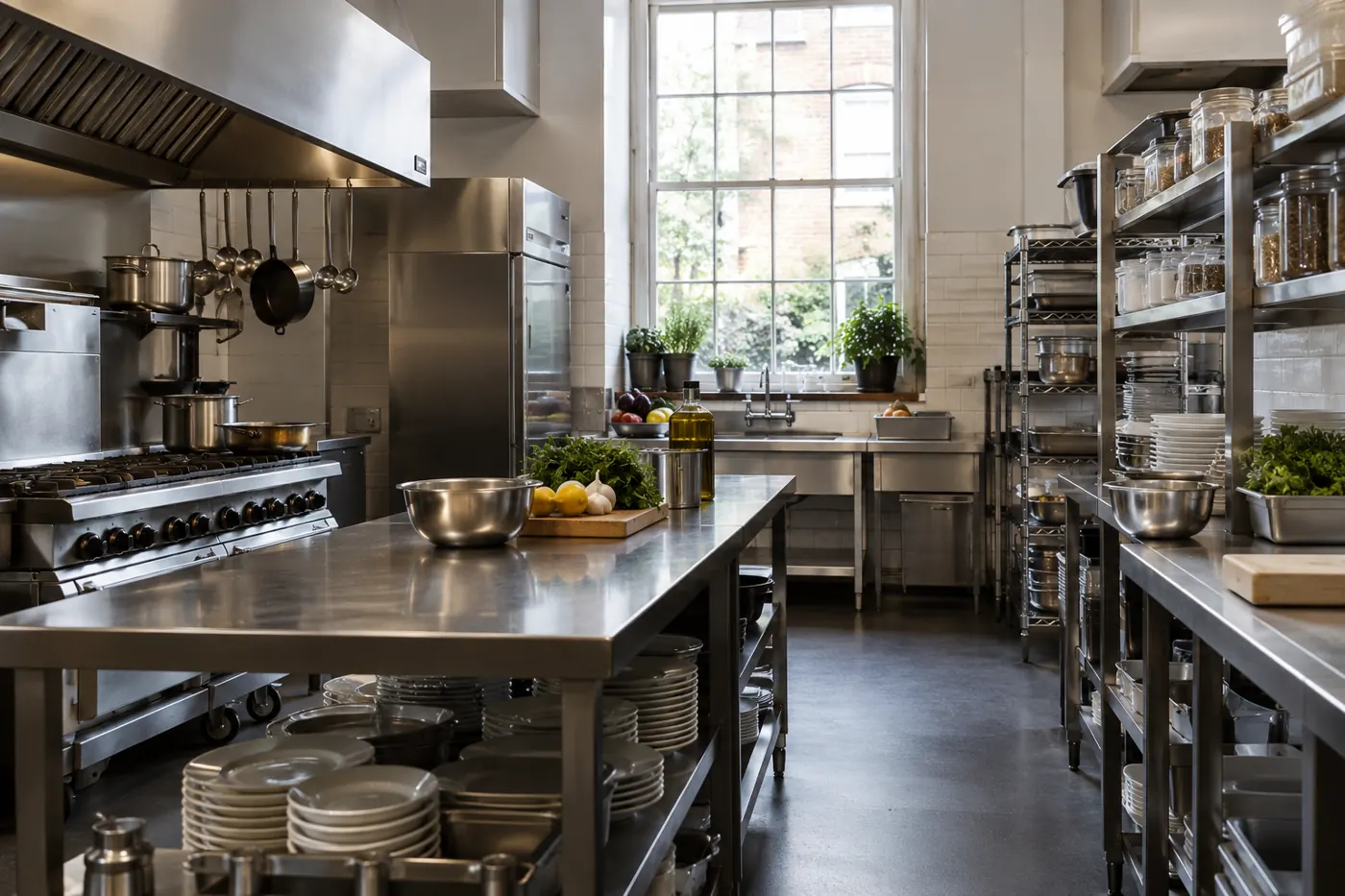
Independent restaurant kitchen with stainless steel work surfaces
The spaces you serve in

Bedrooms

Describe the bed or resting furniture involved. Do not move suspect items around the home to improve lighting.

Discuss your property ↗
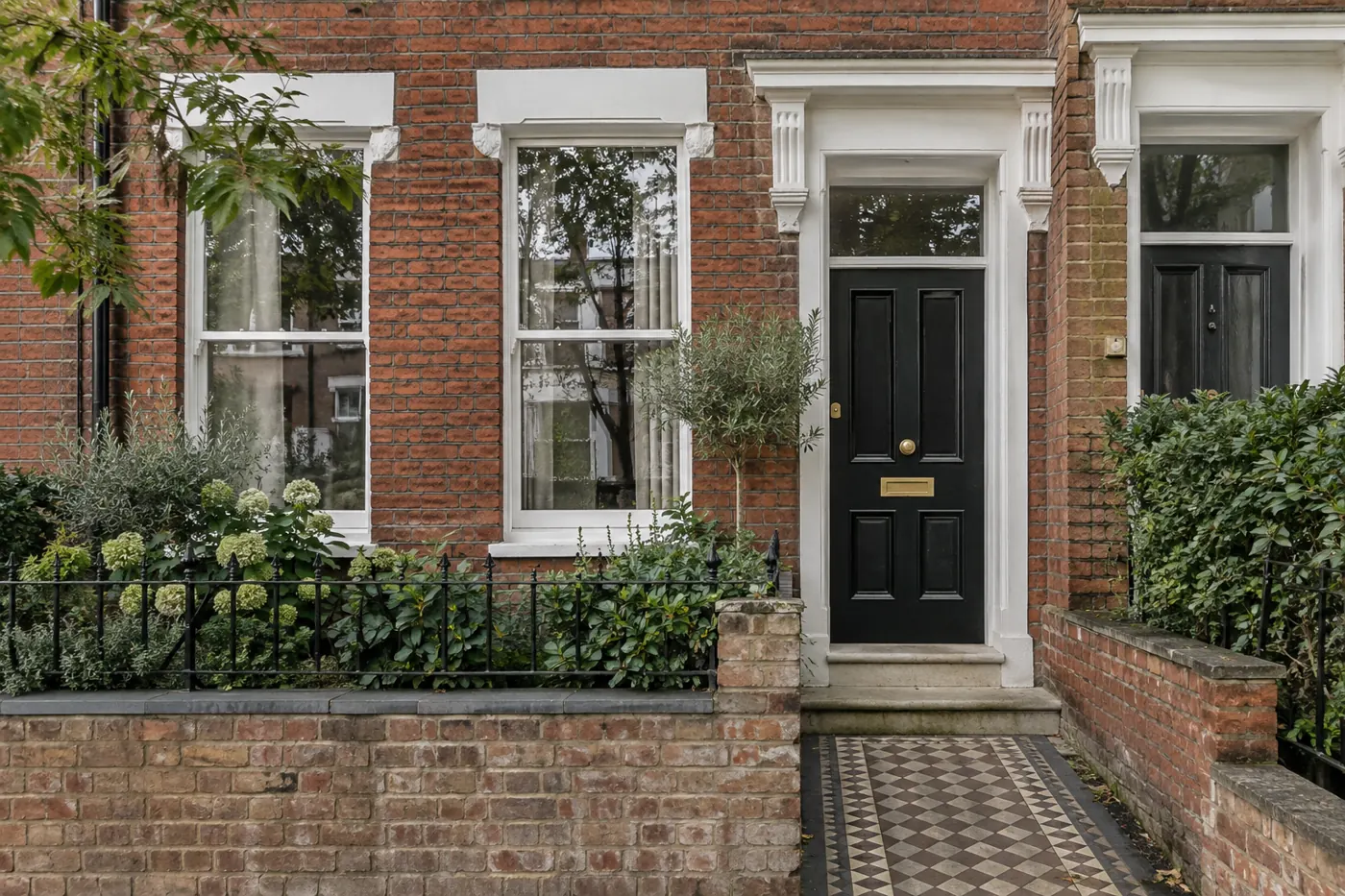
Entrance to a London rental property with a red brick facade
The spaces you manage

Gardens and outbuildings

Say that the finding was outside and explain its distance from a doorway or storage area without disturbing it.

Discuss your property ↗
London & the M25 / Our service area

An image does not replace the address.

Give the full street address, flat number if relevant, and the room shown in the picture.

For a property in Maida Vale or Swiss Cottage, use the relevant location when discussing attendance.

Homes & flatsLandlords & rental propertiesBusinesses & commercial premises
Discuss your postcode ↗020 4571 7639
Explore the areaOpen full map ↗
Clear information / A quote for your situation

Ask what the next inspection needs.

Send a clear account so the quote conversation can focus on the actual finding.

Discuss pricing · 020 4571 7639 ↗
Preparing a treatment quote beside inspection equipment

What remains to be checked?

Available evidence

Useful photographs support the conversation, but unclear identification or inaccessible spaces may need an on-site check.

Extent of the report

Explain every affected room separately. One close-up does not tell us whether fresh signs are limited to that place.

Related work

Ask which treatment, monitoring and repair recommendations are included in the proposal and which need a separate arrangement.

Ask about your options before treatment
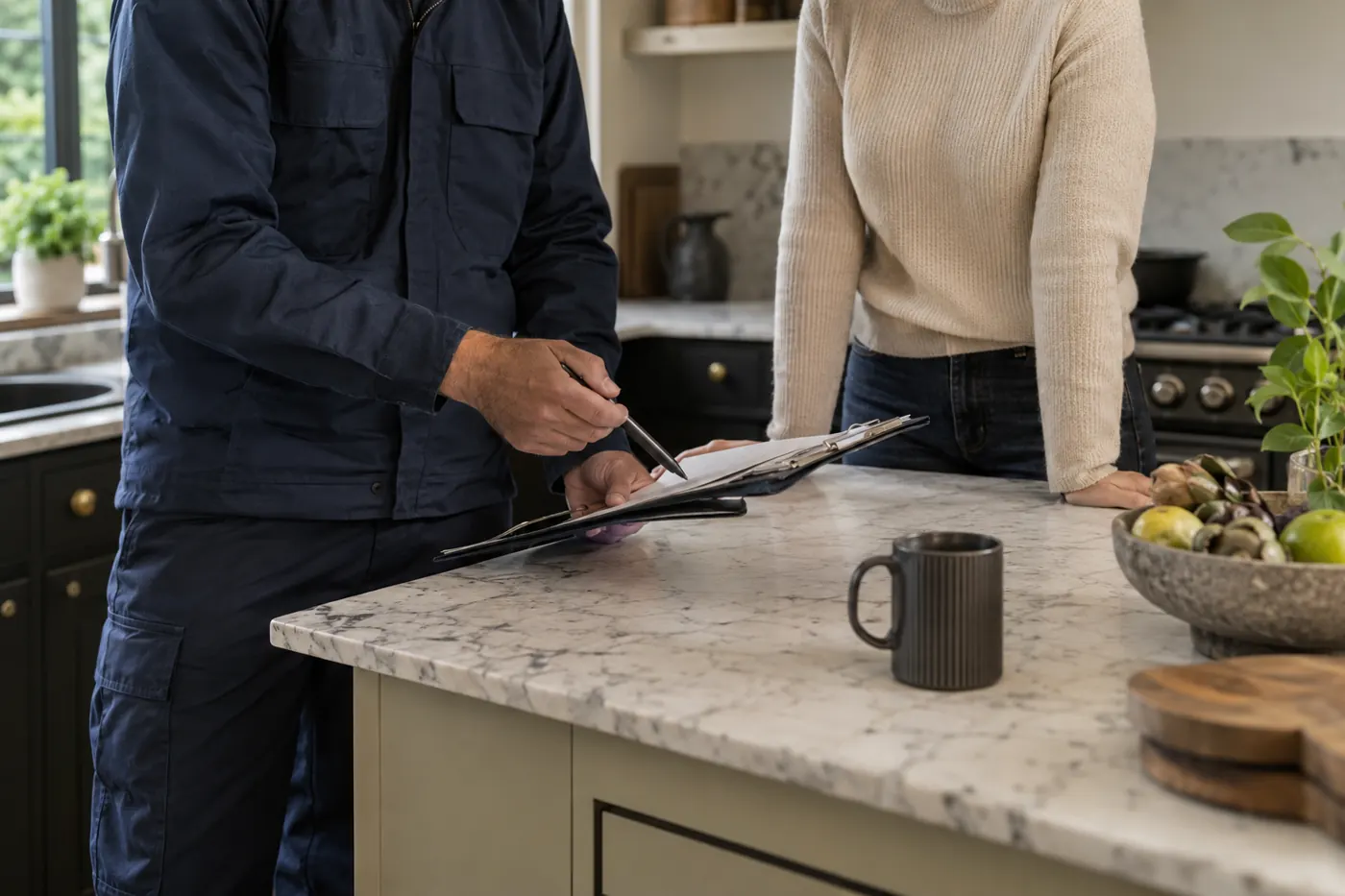
Technician discussing inspection notes at a kitchen island
Practical aftercare

Care that continues
after the visit.

Understand what to watch for after treatment, how to prepare for any follow-up visit and which changes can help keep pests out.

Ask the technician about cleaning, access and proofing for your property. Advice should fit the pest, the treatment and the way you use the space.

Advice / The property journal

A short caption can improve a good picture.

Add facts the camera cannot reliably show.

Explore guides & articles ↗
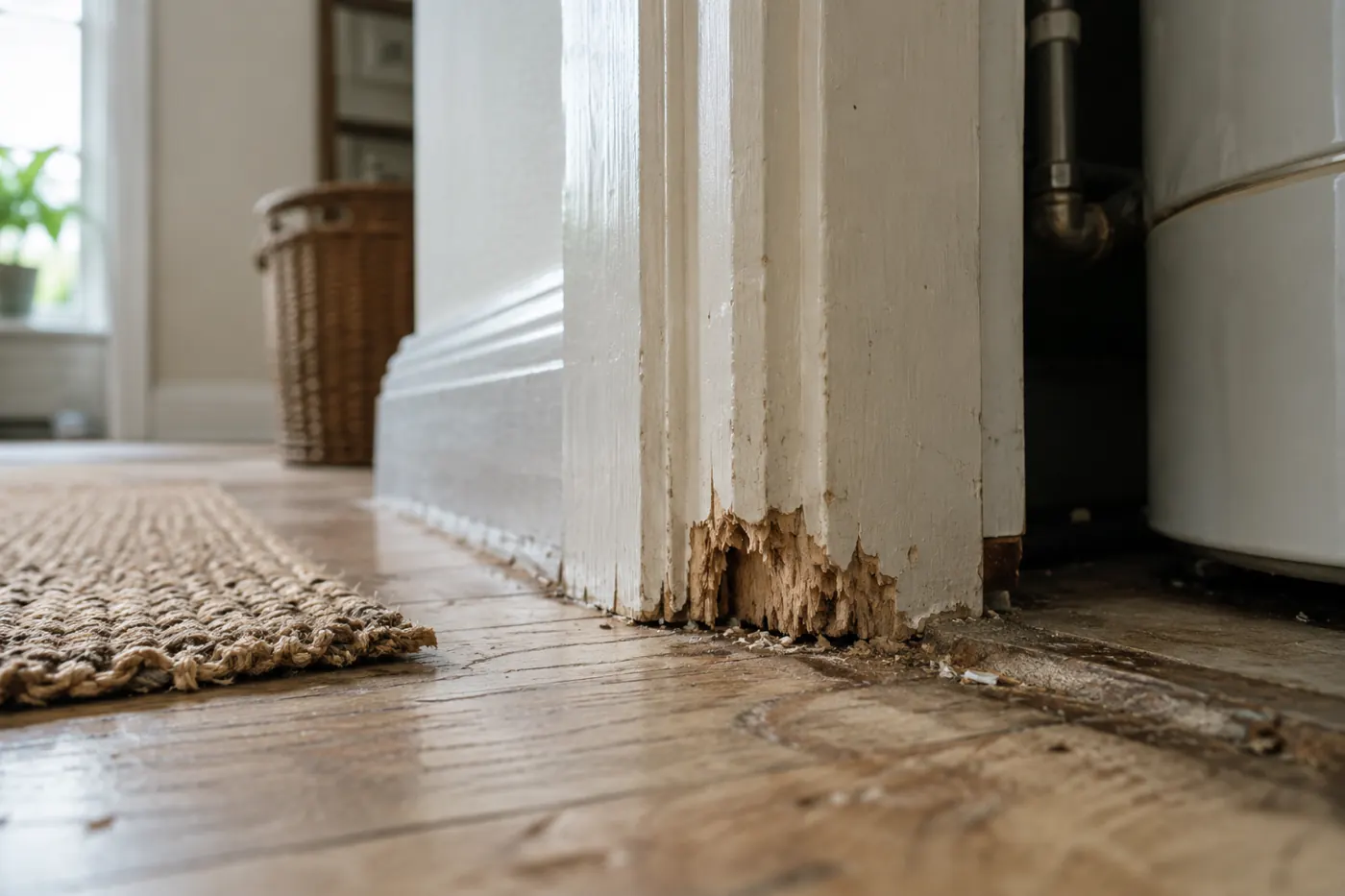
Rodent gnaw marks on a timber doorway thresholdRodent evidence

The location

Name the room, surface and original position. A cupboard shelf reference is more useful than a general property label.

Explore the topic ↗
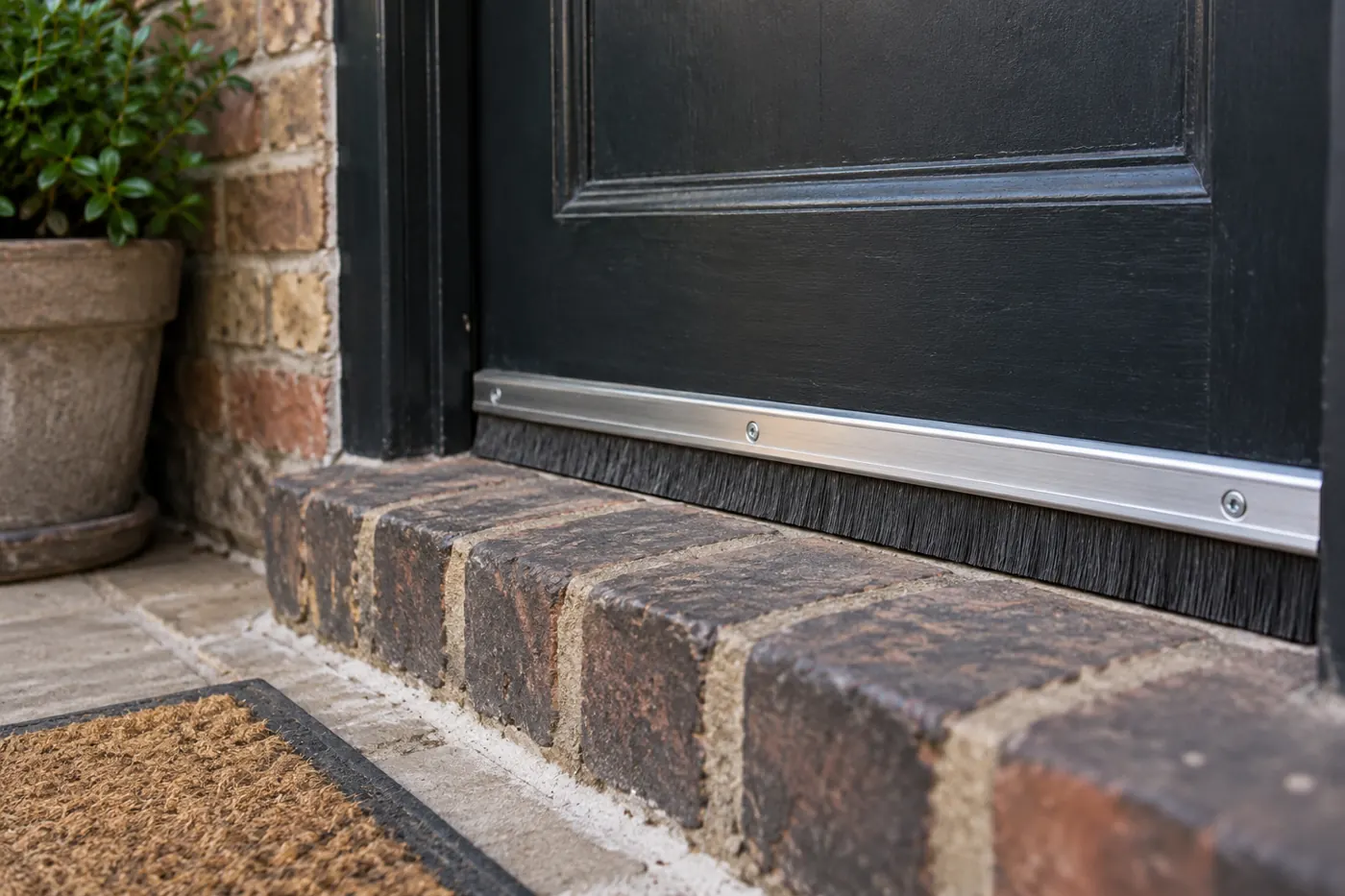
Brush seal fitted beneath a back doorProperty protection

The timing

Say when the finding appeared and whether that time was observed directly or recalled by someone else.

Explore the topic ↗
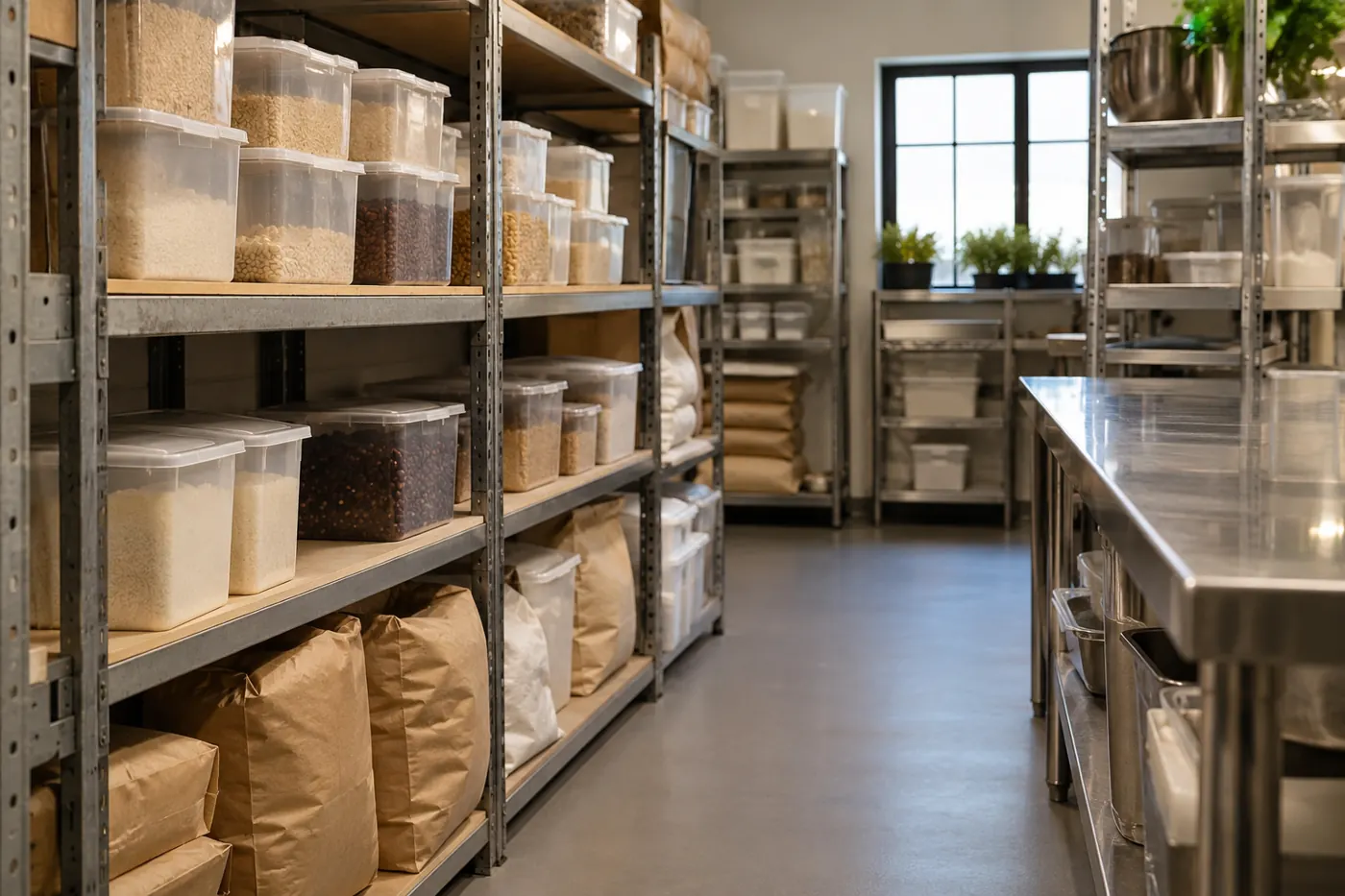
Organised storage shelving in a catering premisesFor businesses

The limitation

Explain blur, poor light or a missing size reference. This helps prevent a tentative first impression becoming a fixed diagnosis.

Explore the topic ↗
Useful answers / Before your visit

Sending useful evidence.

You can describe the problem clearly without touching or staging the finding.

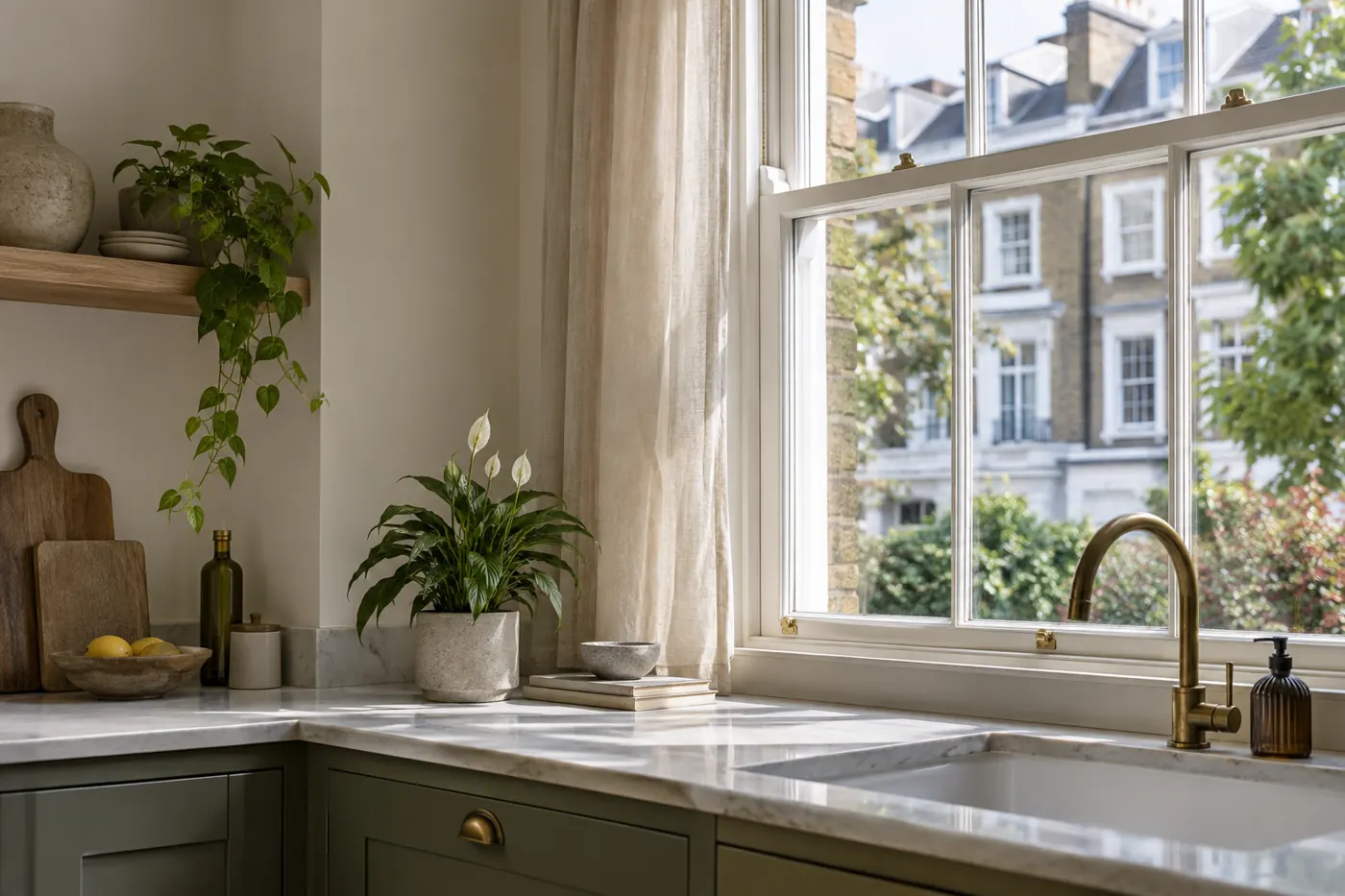
London kitchen window and clear work surface
Share the original location

A room name and a date belong with the photograph.

020 4571 7639 ↗
Should I pick up the insect for a close-up?

Do not handle an unfamiliar insect just to take a picture. Photograph it safely in place and describe what you saw.

Must I place a coin beside droppings?

No. Do not disturb debris for scale. A nearby familiar feature or an approximate description can provide context safely.

Can a photograph confirm the whole infestation?

No. It may help with a particular finding, while the extent and hidden spaces can require inspection.

Are filtered images useful?

Keep and send the original where possible. Filters can change colour or detail needed for identification.

What if the finding has disappeared?

Keep any photograph and record the exact position, time and movement you saw. Do not invent details that the image does not show.

Can I send pictures taken by a neighbour?

Explain whose premises and observation they show. Evidence from another address should remain separate from findings inside your property.

London + M25 / Homes & businesses

A CLEAR PICTURE. A USEFUL CONVERSATION.

Tell us where you took the photograph.

Room, date and original image